Google partners with Blue Origin to launch AI data centers into orbit
Executive Briefing
“Google has partnered with Blue Origin to deploy small satellite data centers equipped with...”
Key Takeaways
- 1.Google entered into a launch services agreement with Blue Origin for Project Suncatcher to experiment with running artificial intelligence systems in space.
- 2.The satellites will enter a sun-synchronous orbit via heavy-lift New Glenn rockets, carrying servers alongside the company's proprietary tensor processing units.
- 3.The first launch is scheduled for early 2029, following the company's deployment of an AI server satellite into low-Earth orbit back in October.
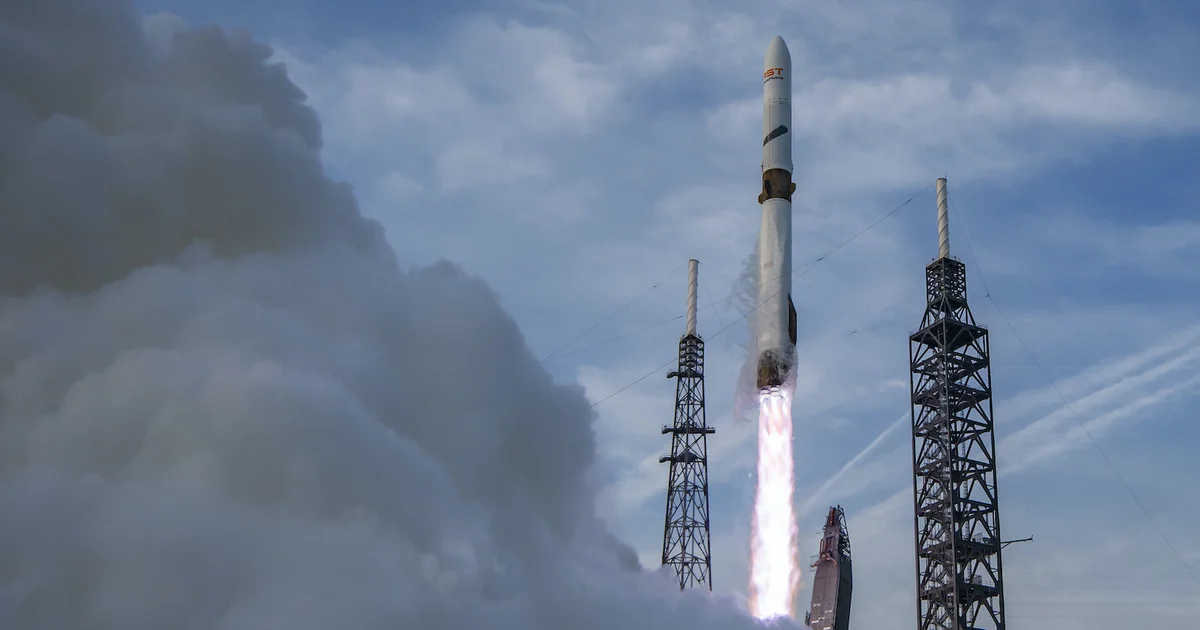
Google has partnered with Blue Origin to deploy small satellite data centers equipped with AI chips as part of its long-term research initiative called Project Suncatcher. The initiative aims to leverage abundant solar power in orbit to run artificial intelligence infrastructure.
Product Features & Key Highlights
Google entered into a launch services agreement with Blue Origin for Project Suncatcher to experiment with running artificial intelligence systems in space.
The satellites will enter a sun-synchronous orbit via heavy-lift New Glenn rockets, carrying servers alongside the company's proprietary tensor processing units.
The first launch is scheduled for early 2029, following the company's deployment of an AI server satellite into low-Earth orbit back in October.
Practical Assessment & Evaluation
Moving computing infrastructure to orbit reflects efforts to seek clean extraterrestrial power sources in order to alleviate the massive electricity consumption pressures of current data centers.
Nevertheless, the project faces complex engineering challenges regarding heat dissipation in a vacuum, bit flips caused by cosmic radiation, and expensive launch costs.
Pricing, Availability & Next Steps
Whether pipe and panel cooling technologies can maintain stable performance for a large-scale satellite network remains unknown.
The long-term risk level stemming from Kessler syndrome as the number of objects in orbit continues to rise is yet to be determined.