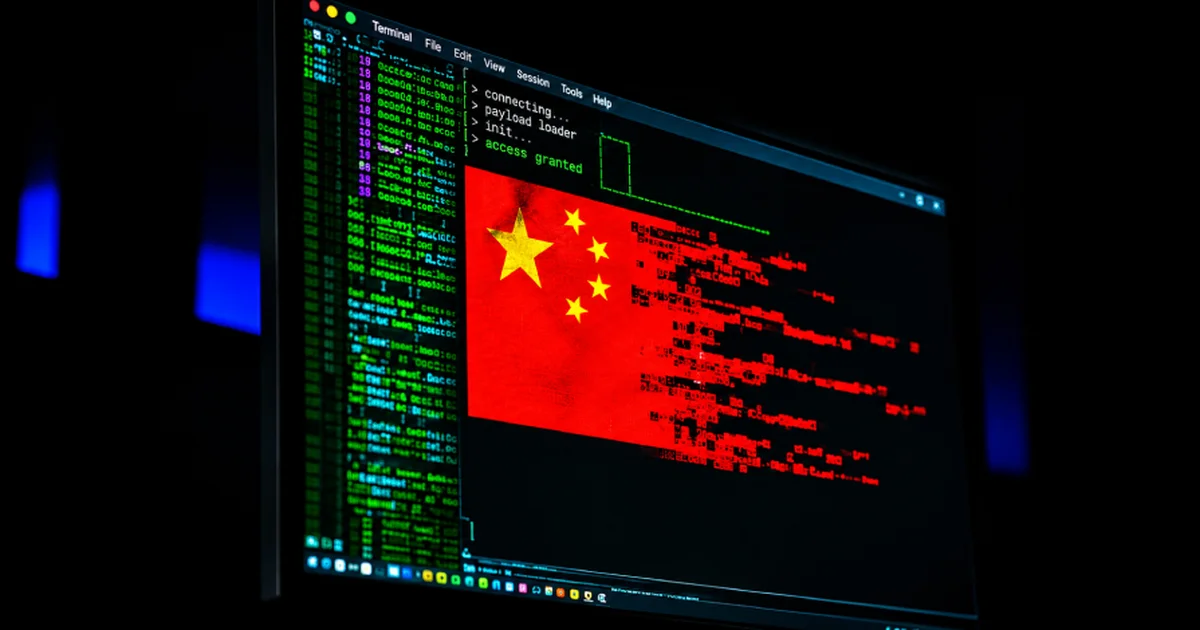
Google identifies first fully autonomous artificial intelligence cyberattack
Executive Briefing
“Google and Mandiant uncovered an artificial intelligence system executing the entire...”
Key Takeaways
- 1.Google threat intelligence division and Mandiant confirmed the first real-world cyberattack operated entirely by artificial intelligence.
- 2.A multi-agent system named exploit_agent utilized differential patch analysis to autonomously write exploit code and target websites in France.
- 3.Google has not attributed responsibility to any specific hacker group or nation after detecting the incident.
- 4.Artificial intelligence-generated malware currently maintains a high error rate, and autonomous operations frequently leave discernible network traffic traces.
Google and Mandiant uncovered an artificial intelligence system executing the entire sequence from vulnerability discovery to cyberattacks without human intervention, marking a new shift in threat actor tactics.
Incident Details & Technical Context
Google threat intelligence division and Mandiant confirmed the first real-world cyberattack operated entirely by artificial intelligence.
A multi-agent system named exploit_agent utilized differential patch analysis to autonomously write exploit code and target websites in France.
Google has not attributed responsibility to any specific hacker group or nation after detecting the incident.
Artificial intelligence-generated malware currently maintains a high error rate, and autonomous operations frequently leave discernible network traffic traces.
Risk Assessment & Security Implications
Deploying multi-agent systems enables threat actors to automate entire attack chains rather than relying solely on basic chatbot-assisted coding.
Accelerated vulnerability exploitation speeds require organizations to shorten patch deployment cycles and adopt automated defense solutions.
Mitigation & Factors to Watch
The specific identity or nation operating the exploit_agent test server remains unidentified.