Oracle wants to pull stalled AI agents out of demo mode and into production
Executive Briefing
Synthesized and verified with gemini-2.0-flash-thinking-exp
“### Oracle wants to pull stalled AI agents out of demo mode and into production Companies want AI a”
Key Takeaways
- 1.### Oracle wants to pull stalled AI agents out of demo mode and into production Companies want AI agents faster than they can build the AI architecture to run them.
- 2.Most can put together a convincing demo.
- 3.Far fewer can move agents into production without exposing data, hurting uptime or blowing their budgets.
Oracle wants to pull stalled AI agents out of demo mode and into production
Companies want AI agents faster than they can build the AI architecture to run them. Most can put together a convincing demo. Far fewer can move agents into production without exposing data, hurting uptime or blowing their budgets.
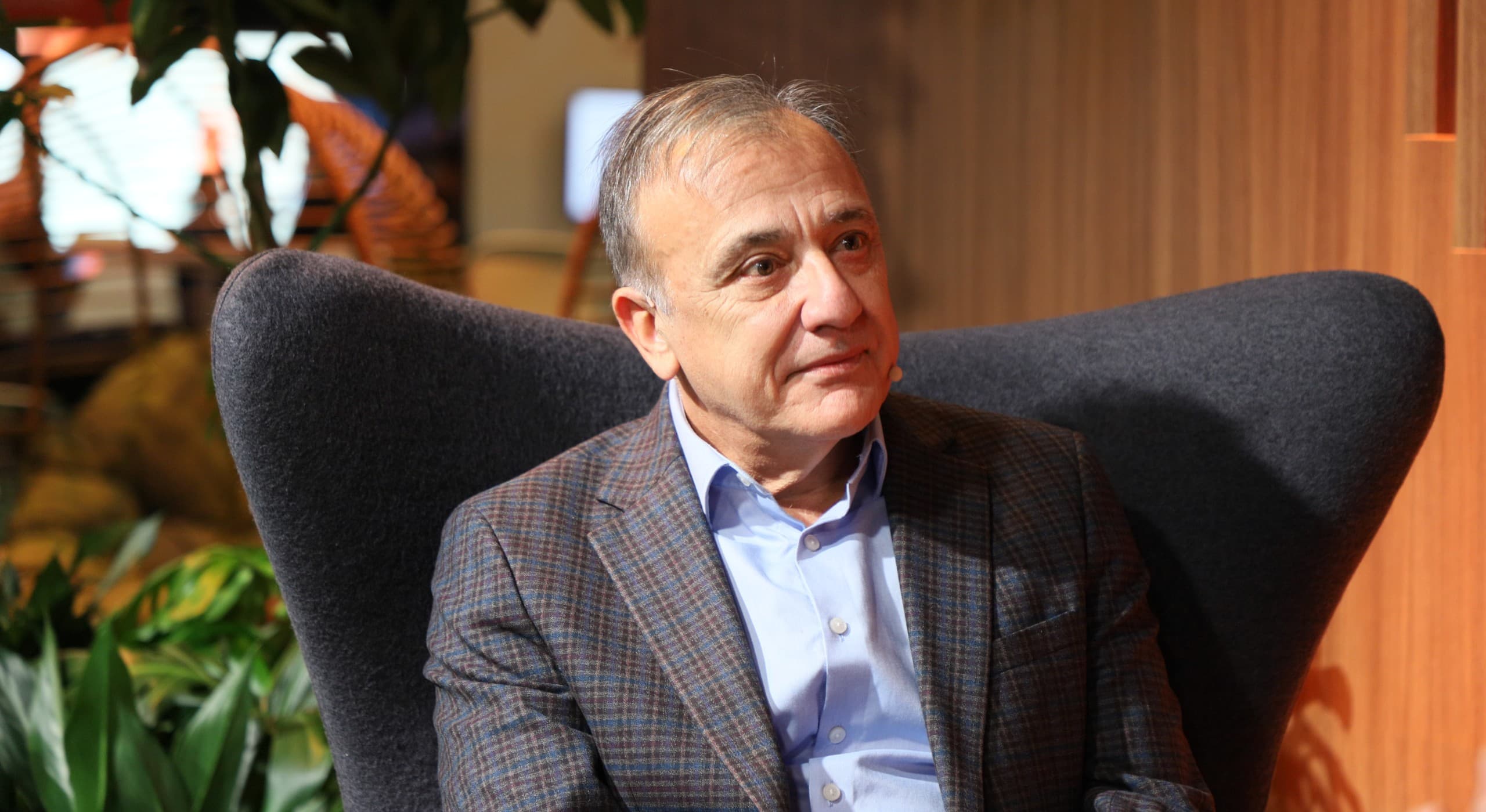
That gap is pushing database providers to rethink what a data platform for agents has to deliver. Nearly 70% of organizations plan to deploy AI agents, yet very few get them into production, according to Çetin Özbütün (pictured), executive vice president of product and research, data warehouse and autonomous database, at Oracle Corp.
“AI is very easy to demonstrate, but when you try to bring it into production, enterprises usually encounter four different deployment difficulties,” Özbütün said. “The first of them is around security. It’s very hard to securely provide access to AI agents, and that’s one of the top challenges.”
Özbütün spoke with theCUBE Research’s Dave Vellante at Oracle AI World, during an exclusive broadcast on theCUBE, SiliconANGLE Media’s livestreaming studio. They discussed AI architecture and the challenges of moving agents into production. (* Disclosure below.)
Building an AI architecture agents can trust
Security is the first hurdle. AI agents are finding vulnerabilities at unprecedented levels, and customers often can’t patch their databases before attackers exploit those flaws, Özbütün noted. Oracle’s Autonomous AI Database encrypts data at rest and in transit by default, and users can’t turn those protections off.
“As soon as the vulnerability is found, before it’s released anywhere else, we bring it into production in Autonomous AI Database,” Özbütün said.
Resiliency is the next test, because agents run around the clock and put heavy, unpredictable demands on the data platform. Oracle commits to 99.995% availability with no exclusions. That figure is measured by whether a client can connect and run queries, not by whether the underlying infrastructure is running, Özbütün explained.
“We patch our systems on a weekly basis, for example,” Özbütün said. “All of our patches are online patches, so the database is up and running, accepting new connections, accepting new requests while we’re running the patch.”
The same always-current approach applies to Oracle’s Deep Trust AI architecture, in which the database enforces the security profiles that customers define. New capabilities such as the expanded Deep Data Security features show up in Autonomous AI Database as soon as they’re announced, ahead of on-premises releases, according to Özbütün.
“You do nothing as the user or administrator of Autonomous Database to get this functionality,” Özbütün said. “As soon as a new functionality is available, like Oracle Deep Data Security, it becomes available for you to use on day one.”
Here’s the complete video interview, part of SiliconANGLE’s and theCUBE’s coverage at Oracle AI World:
(* Disclosure: TheCUBE is a paid media partner for Oracle AI World. Neither Oracle, the sponsor of theCUBE’s event coverage, nor other sponsors have editorial control over content on theCUBE or SiliconANGLE.)
Photo: SiliconANGLE
A message from John Furrier, co-founder of SiliconANGLE:
Support our mission to keep content open and free by engaging with theCUBE community. Join theCUBE’s Alumni Trust Network, where technology leaders connect, share intelligence and create opportunities.
- 15M+ viewers of theCUBE videos, powering conversations across AI, cloud, cybersecurity and more
- 11.4k+ theCUBE alumni — Connect with more than 11,400 tech and business leaders shaping the future through a unique trusted-based network
Are you an AWS customer? Support SiliconANGLE financially by buying your AWS services from our Marketplace portal page and links: https://siliconangle.com/aws-marketplace/
About SiliconANGLE Media
Founded by tech visionaries John Furrier and Dave Vellante, SiliconANGLE Media has built a dynamic ecosystem of industry-leading digital media brands that reach 15+ million elite tech professionals. Our new proprietary theCUBE AI Video Cloud is breaking ground in audience interaction, leveraging theCUBEai.com neural network to help technology companies make data-driven decisions and stay at the forefront of industry conversations.
Attribution & Original Source
Synthesized and verified from SiliconANGLE. All copyrights and intellectual property belong to the original publication.