AI safety expert stops saving for retirement because he is convinced that humanity is about to die
Executive Briefing
Synthesized and verified with gemini-2.0-flash-thinking-exp
“**A shocking statement from an expert about the prospect of humanity's destruction in the next decad”
Key Takeaways
- 1.**A shocking statement from an expert about the prospect of humanity's destruction in the next decade is making the public stir.
- 2.Is this really a valid concern or just a publicity-seeking alarmist story?** In a recent episode of the Atlantic magazine's "The Most Interesting Thing in AI" podcast, Nate Soares - machine learning researcher and president of the Machine Intelligence Research Institute (MIRI) - made a worrying statement.
- 3.He shared that he believes in an AI apocalypse so much that he stopped contributing to his retirement account.
A shocking statement from an expert about the prospect of humanity's destruction in the next decade is making the public stir. Is this really a valid concern or just a publicity-seeking alarmist story?
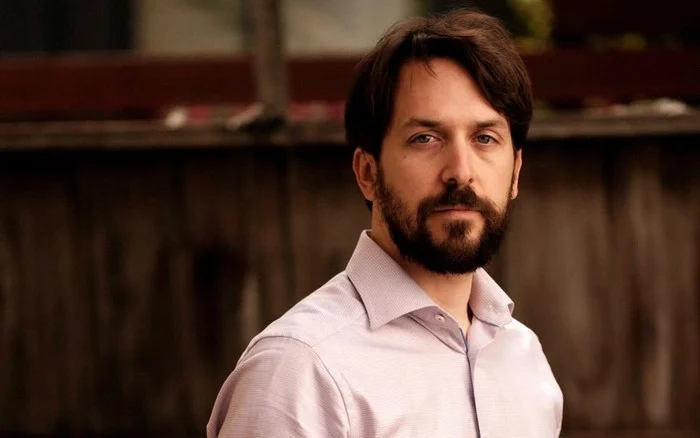
In a recent episode of the Atlantic magazine's "The Most Interesting Thing in AI" podcast, Nate Soares - machine learning researcher and president of the Machine Intelligence Research Institute (MIRI) - made a worrying statement. He shared that he believes in an AI apocalypse so much that he stopped contributing to his retirement account.
Specifically, Soares has had a 401(k) fund since he worked at Google, but he hasn't contributed any money in the past decade. This expert estimates that the probability of AI destroying humanity in the next ten years is over 50%.
However, Soares affirmed that he is doing his best to prevent this and does not think that disaster is inevitable.
In research circles, Soares is known as a fear-monger - a tactic that seems to be repeating itself. At MIRI, he was Eliezer Yudkowsky's right-hand man. Both continuously promote alarming stories, thereby attracting media attention, winning book contracts and directly approaching politicians.
However, critics emphasize that although both spend a lot of time worrying about the end of the world, experts have absolutely no consensus on whether such a scenario is possible, let alone feasible.
Regardless, there are many reasons to be pessimistic about this technology. AI has been used to bomb elementary school students, scam the elderly, and push many vulnerable users to death. Worth mentioning, AI does not need to reach the level of super intelligence to cause those consequences.
If people only focus on unrealistic dangers in the distant future, it will be easy for people to overlook the painful harm that technology is directly causing in the present.
Regarding saving for old age, the safest choice is still to continue contributing to a reserve fund instead of taking risks and then regretting it. Looking at it realistically: if AI really destroys everything, money will then no longer be important; But if that doesn't happen, stopping saving will definitely cost you dearly.

