American people protested building a data center despite being given $10,000
Executive Briefing
Synthesized and verified with gemini-2.0-flash-thinking-exp
“# Americans protested against building a data center despite being given $10,000 USA Residents of t”
Key Takeaways
- 1.# Americans protested against building a data center despite being given $10,000 USA Residents of the town of Hazle, Pennsylvania simultaneously protested the project to build a large-scale data center, despite the promise of $10,000.
- 2.According to *WSJ*, to receive the money, the town only needs to allow NorthPoint Development to build the data center.
- 3.This will be the first of 15 Hazelnut Project buildings that the company plans to build on an area of about 5.26 square kilometers in the Pocono mountains.
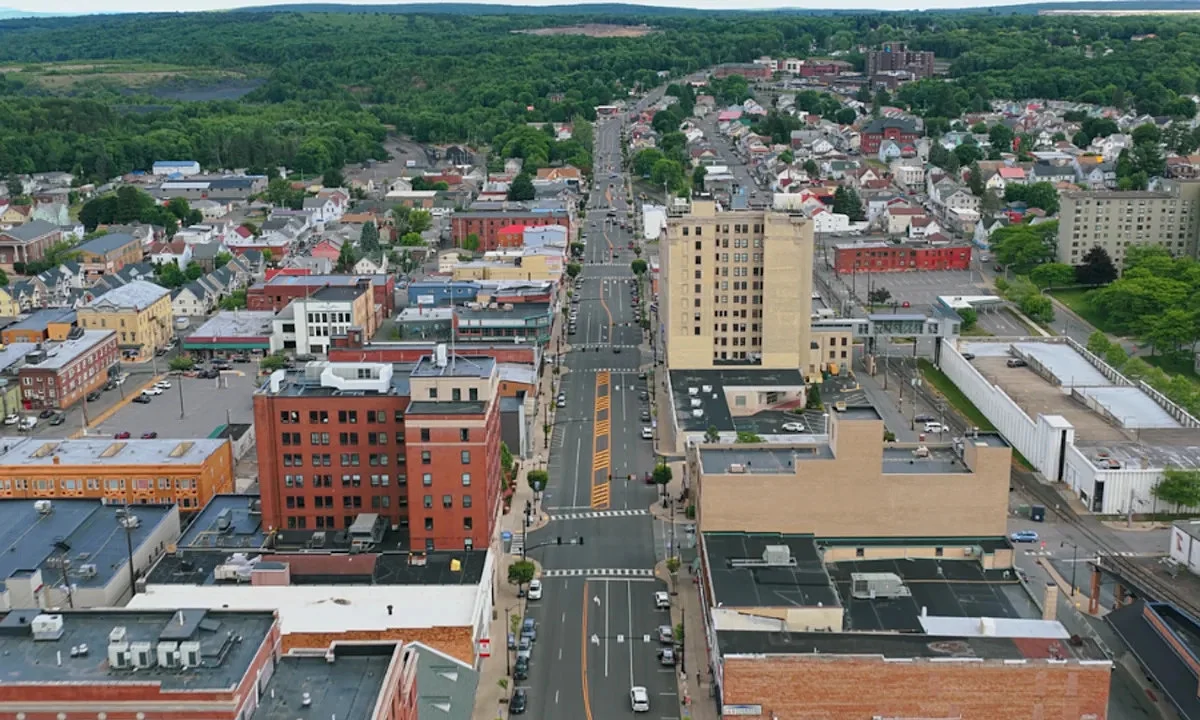
USA Residents of the town of Hazle, Pennsylvania simultaneously protested the project to build a large-scale data center, despite the promise of $10,000.
According to WSJ, to receive the money, the town only needs to allow NorthPoint Development to build the data center. This will be the first of 15 Hazelnut Project buildings that the company plans to build on an area of about 5.26 square kilometers in the Pocono mountains. At that time, each of the 4,500 eligible households will receive a check worth $10,000, meaning the company needs to pay a total of $45 million.
In the town of Hazle, where the median household income is about $60,000 and nearly 17% of residents live below the poverty line, $10,000 is considered very useful. After taxes, the amount is still enough to pay about 6 months' rent for a two-bedroom apartment, or buy food and fuel for many months.
According to PennLive, it is not uncommon for developers to provide financial support to residents. However, at least in Pennsylvania, neither side has ever offered to pay directly to those who want to become neighbors of a giant data center.
"We think it's a creative way to do it. We've never seen anything like it," said Mary Fox, Executive Director of the Pennsylvania Ethics Commission.
However, the residents of Hazle town were unmoved by the prospect of making quick money, some even considered it a weak bribe. Few people welcome the new data center project. They object for a variety of reasons, from the noise generated to concerns about AI fever.
Jeff Fasnacht, a retired teacher whose home is near the proposed data center site, is concerned about noise during the years-long construction process. He added: "$10,000 is not enough to compensate for the plummeting value of my real estate."
Hazleton resident Ashley Bahrt, who lives east of the proposed data center area, said the new construction would threaten visibility, water supply and electricity bills. She believes the area needs a comprehensive environmental assessment of existing industrial facilities, not an additional data center.
Despite being so close, Bahrt was not eligible to receive the $10,000 check from NorthPoint Development because he was not a Hazle Township resident. "You may be only about 1,000 feet from the data center, but developers will still say 'We don't care, because you're not a taxpayer in this area'. To me, that's insulting," Bahrt told PennLive.
According to a poll conducted by Quinnipiac University this summer, 74% of Pennsylvanians oppose building data centers.
The fate of the Hazelnut Project data center is also uncertain. In November, the Hazle town government rejected the project on grounds related to planning. NorthPoint Development then sued the town, asking to reverse the decision. The lawsuit is still under review. In the meantime, Hazle town issued an order to temporarily halt the construction of the data center, and at the same time updated regulations on land use zoning.
According to Independent, the controversy in Pennsylvania took place amid a wave of opposition to bringing data centers into local communities exploding across the United States. These facilities provide the computing power needed to run AI, but require a lot of electricity, land, water and other resources.
Public concerns about artificial intelligence are also growing. In early September, Jacob Coxon, a researcher at Anthropic and formerly of OpenAI, warned that AI could destroy humanity by the end of the decade. Meanwhile, Evan Hubinger, Head of Regulatory Science at Anthropic, believes there is a more than 10% chance of advanced AI causing humanity to go extinct in the next decade.
Thu Thao summary