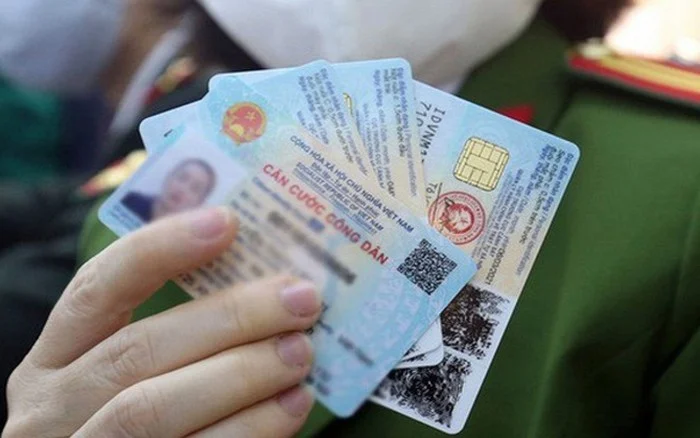
People born in the next 4 years are required to change their identity cards in 2027. If they are late, their money transfer and receipt transactions will be suspended.
Executive Briefing
Synthesized and verified with gemini-2.0-flash-thinking-exp
“**In 2027, citizens born in 2013, 2002, 1987 and 1967 reach the 14, 25, 40 and 60 years of age, resp”
Key Takeaways
- 1.**In 2027, citizens born in 2013, 2002, 1987 and 1967 reach the 14, 25, 40 and 60 years of age, respectively, and are eligible to have their ID cards changed according to Article 21 of the Law on Identification.
- 2.If identification documents expire without updating, account holders may have their payment transactions and money withdrawals suspended by the bank.** #### 4 years of birth are required to renew ID cards in 2027 Clause 1, Article 21 of the Law on Identification No.
- 3.26/2023/QH15 (passed by the National Assembly on November 27, 2023, effective from July 1, 2024) stipulates: "Vietnamese citizens who have been issued an ID card must carry out the procedure for replacing an ID card when they are 14 years old, 25 years old, 40 years old and 60 years old." The Law on Identification has been amended and supplemented by Law No.
In 2027, citizens born in 2013, 2002, 1987 and 1967 reach the 14, 25, 40 and 60 years of age, respectively, and are eligible to have their ID cards changed according to Article 21 of the Law on Identification. If identification documents expire without updating, account holders may have their payment transactions and money withdrawals suspended by the bank.
4 years of birth are required to renew ID cards in 2027
Clause 1, Article 21 of the Law on Identification No. 26/2023/QH15 (passed by the National Assembly on November 27, 2023, effective from July 1, 2024) stipulates: "Vietnamese citizens who have been issued an ID card must carry out the procedure for replacing an ID card when they are 14 years old, 25 years old, 40 years old and 60 years old." The Law on Identification has been amended and supplemented by Law No. 118/2025/QH15 (effective from July 1, 2026), but the regulations on renewal age milestones in Clause 1, Article 21 remain the same.
Applicable in 2027, cases subject to change include:
- People born in 2013, 14 years old (new issue if you already have a card, first issue if you don't have a card).
- People born in 2002, 25 years old.
- People born in 1987, 40 years old.
- People born in 1967, 60 years old. This is the final renewal milestone according to the law; After this milestone, citizens will no longer have to change their cards based on age.
The expiration date of each card is printed on the card itself. People should compare the expiration date on the card instead of just calculating the year of birth, because the expiration date is calculated according to each person's date of birth.
Clause 2, Article 21 of the Law on Identification stipulates that identification cards issued, renewed, or reissued within 02 years before the renewal age are still valid until the next renewal age.
Accordingly, people born in 2002 who made a card between the age of 23 and before turning 25 do not have to change it in 2027, the card can be used until they turn 40. Similarly, people born in 1987 who apply for a card when they turn 38 can use the card until they turn 60. People born in 1967 apply for a card when they turn 58 years old and do not need to renew it based on age. At the age of 14, children are issued a card when they are 12 years old and do not have to change it when they are 14 years old. The card can be used until they are 25 years old.
Special note for people born in 2013
Citizens under 14 years old are issued ID cards as needed, while citizens 14 years old or older are required to go through card issuance procedures (Clause 2, Clause 3, Article 19 of the Law on Identification). Therefore, people born in 2013 who already have a card must follow the procedures for replacement according to Article 21; Children who have never had a card will need to apply for a card for the first time.
Replacement at the age mark is free of charge
According to Clause 2 and Clause 3, Article 38 of the Law on Identification, citizens do not have to pay fees when being issued an ID card for the first time and when renewing a card at the age of 14, 25, 40 and 60 years old. Circular 73/2024/TT-BTC dated October 21, 2024 of the Ministry of Finance also excludes these cases from paying fees.
Fees only apply to other cases of exchange or reissue. The fee according to Article 4 of Circular 73/2024/TT-BTC is 30,000 VND/card when changing citizen identification card to identification card, 50,000 VND/card in cases of replacement under Clause 1, Article 24 of the Law on Identification and 70,000 VND/card when re-issued. From July 1, 2025 to December 31, 2026, these levels are reduced by 50% according to Circular 64/2025/TT-BTC. From January 1, 2027, the tax rate will return to the original circular, which is Circular 73/2024/TT-BTC. There is no confirmed information about the document extending the reduction in identification fees until 2027.
When your card expires, your bank account may be temporarily suspended
Clause 3, Article 19 of Circular 17/2024/TT-NHNN dated June 28, 2024 of the State Bank stipulates that banks must monitor the validity period of the account holder's identification documents and "notify customers at least 30 days before the expiration date of the identification documents". If the customer does not update new documents, the bank will "temporarily suspend payment transactions and withdrawals from the payment account". This regulation applies to individual payment accounts from January 1, 2025.
Circular 17/2024/TT-NHNN has been amended and supplemented by Circular 25/2025/TT-NHNN (effective from August 31, 2025). This amended document adds criteria for identifying accounts suspected of fraud in Article 19. There is no confirmed information about changing the notification obligation and temporary suspension of transactions mentioned above.
After receiving a new card, people should update their identification information with each bank they are using. Many banks allow payments on the app by scanning card chips and facial authentication; Specific methods vary between banks.
