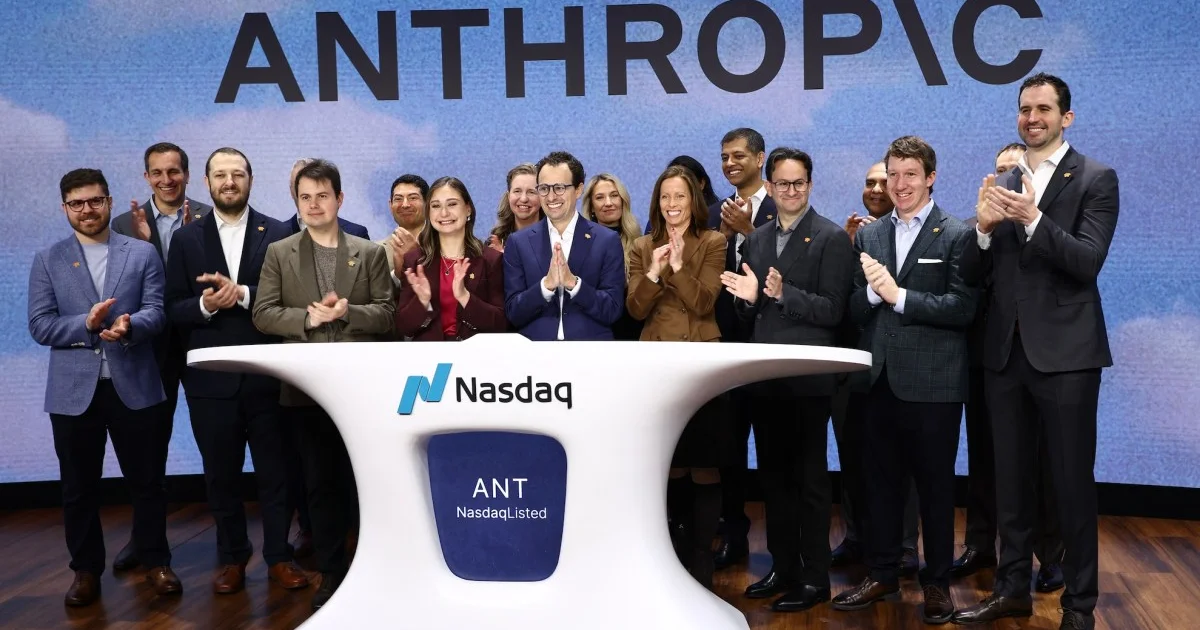
Anthropic public governance structure faces scrutiny over artificial intelligence safety

Executive Briefing
“Anthropic has entered a landmark public offering with a massive valuation and an unusual...”
Key Takeaways
- 1.Anthropic raised $81.3 billion in its initial public offering, setting a new precedent for artificial intelligence laboratories.
- 2.The company maintains a power structure controlled by its founders and the Long-Term Benefit Trust, granting them the authority to select and remove a portion of the board.
- 3.Legal experts and industry watchdogs noted that trust members lack deep artificial intelligence expertise to make technical oversight choices.
Anthropic has entered a landmark public offering with a massive valuation and an unusual governance structure designed to protect its artificial intelligence safety mission. However, legal experts and former personnel question whether these oversight mechanisms possess the capability to restrain commercial pressures.
Key Developments & Primary Facts
Anthropic raised $81.3 billion in its initial public offering, setting a new precedent for artificial intelligence laboratories.
The company maintains a power structure controlled by its founders and the Long-Term Benefit Trust, granting them the authority to select and remove a portion of the board.
Legal experts and industry watchdogs noted that trust members lack deep artificial intelligence expertise to make technical oversight choices.
Strategic Analysis & Implications
The public offering intensifies Anthropic's vast financial demand to sustain computing power and research, which could potentially undermine initial safety commitments.
The founder-centric power structure resembling major technology corporations makes independent oversight mechanisms struggle to exert practical effectiveness.
Outlook & Factors to Watch
Whether the Long-Term Benefit Trust will actually intervene when commercial goals conflict with artificial intelligence safety directions.
The actual influence level of public shareholder pressure on the speed of the enterprise's self-improving model development.