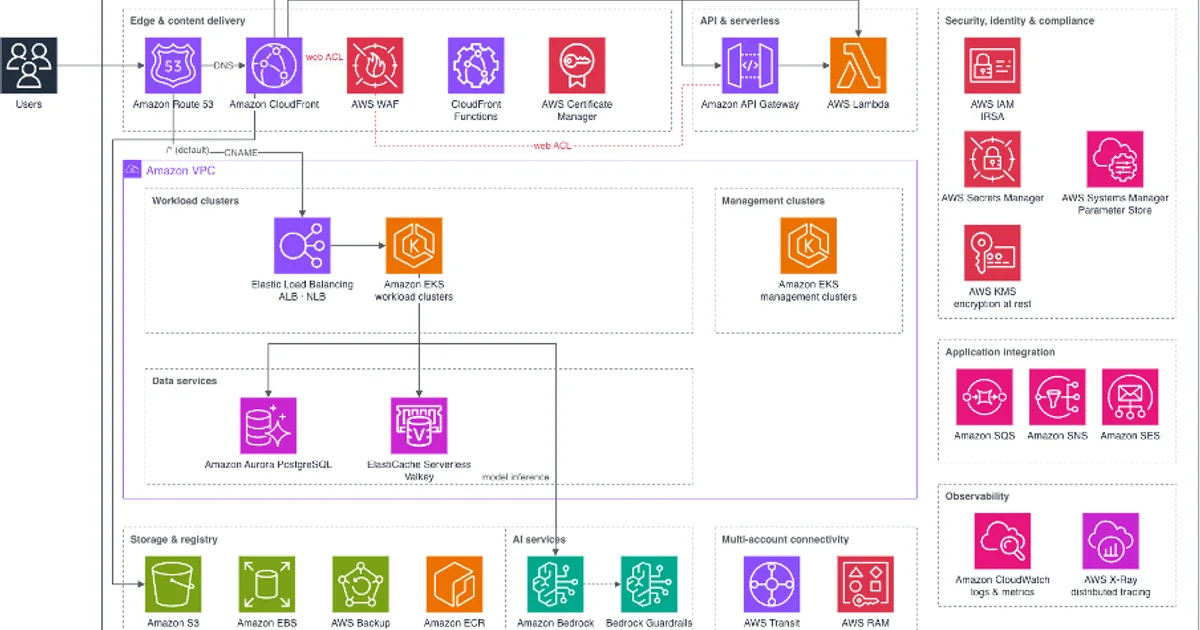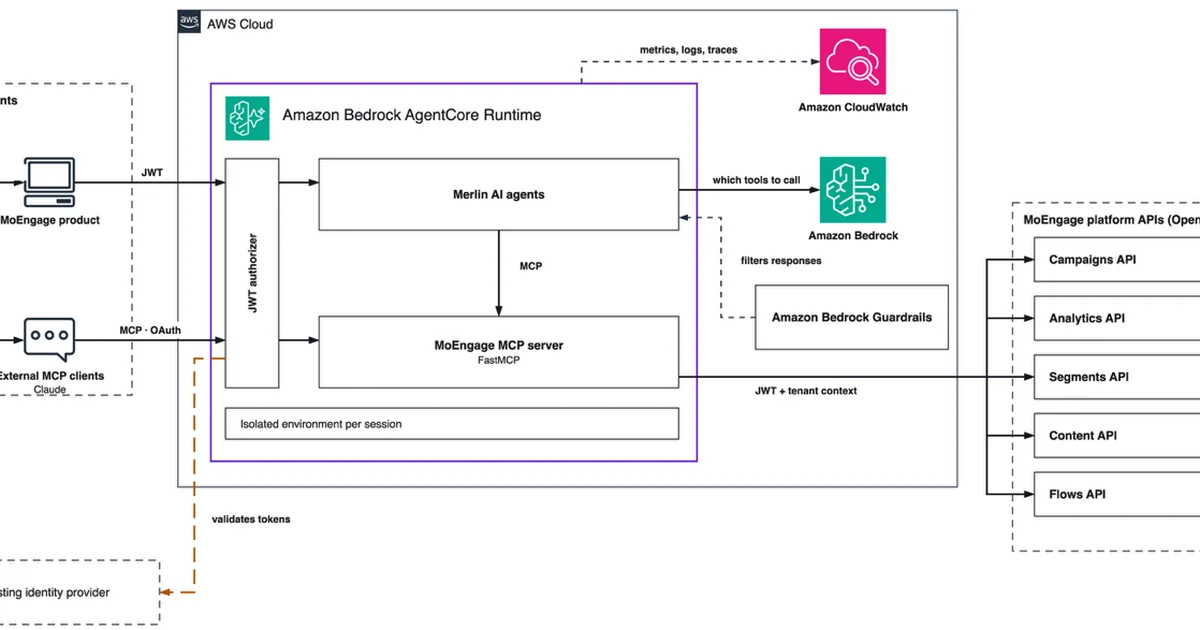
MoEngage built agentic customer engagement on Amazon Bedrock AgentCore
MoEngage developed its Merlin AI assistant system by converting existing platform APIs into Model Context Protocol tools hosted on Amazon Bedrock and AgentCore runtime.
Global intelligence on artificial intelligence and computing
Query across our knowledge base of synthesized technology dispatches

MoEngage developed its Merlin AI assistant system by converting existing platform APIs into Model Context Protocol tools hosted on Amazon Bedrock and AgentCore runtime.

Adobe has previewed integrations allowing third-party autonomous AI agents to connect locally and manipulate native graphics apps directly. The technology aims to automate repetitive tasks and manage creative workflows.

DXC Technology developed an automated IT operations assistant named DXC OASIS using Amazon Bedrock as its underlying substrate. This architecture reduced average resolution time by 95 percent across dozens of measured use cases.

Amazon introduced new models and management tools for artificial intelligence developers on its Bedrock platform in October. These updates aim to reduce operational costs and improve reliability for automated agents.

Major tech companies increasingly dominate the enterprise artificial intelligence market. However, startups continue to attract capital through specialized solutions, auditing tools, and emerging market niches.

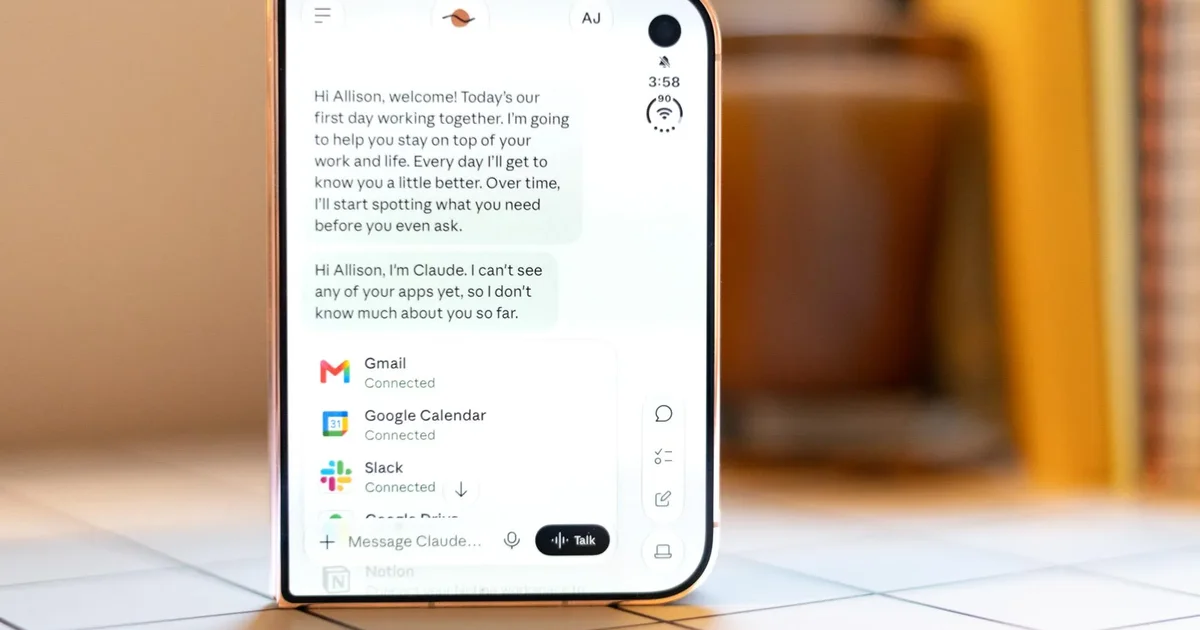
Anthropic has released Claude Duet, a work-focused AI agent that integrates with email, calendars, and messaging tools to surface proactive suggestions. Hands-on testing reveals the system provides useful organizational oversight while occasionally struggling to gauge interpersonal nuance.

Anthropic has introduced a lineup of artificial intelligence-powered office software aimed at expanding its footprint among non-technical knowledge workers. The initiative arrives as the enterprise prepares for an upcoming initial public offering.

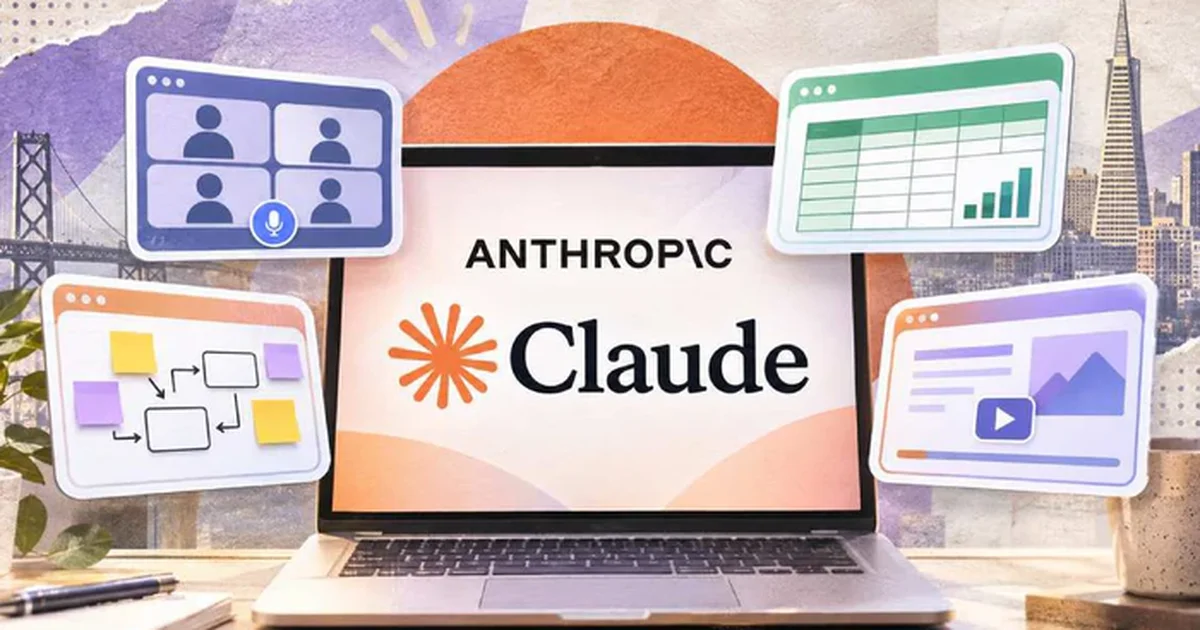
Anthropic has announced three new office tools including Claude Meetings, Sheets, and Whiteboards in San Francisco to expand its artificial intelligence assistant beyond programmers.

Felix Rieseberg, an engineer at Anthropic, used the Claude Fable 5.2 model to generate a browser-based first-person shooter game from a single initial prompt.

Semiconductor manufacturer TSMC approved a plan to invest one billion dollars in leading artificial intelligence developers OpenAI and Anthropic. This move grants the Taiwanese chip maker direct equity stakes in key technology partners.
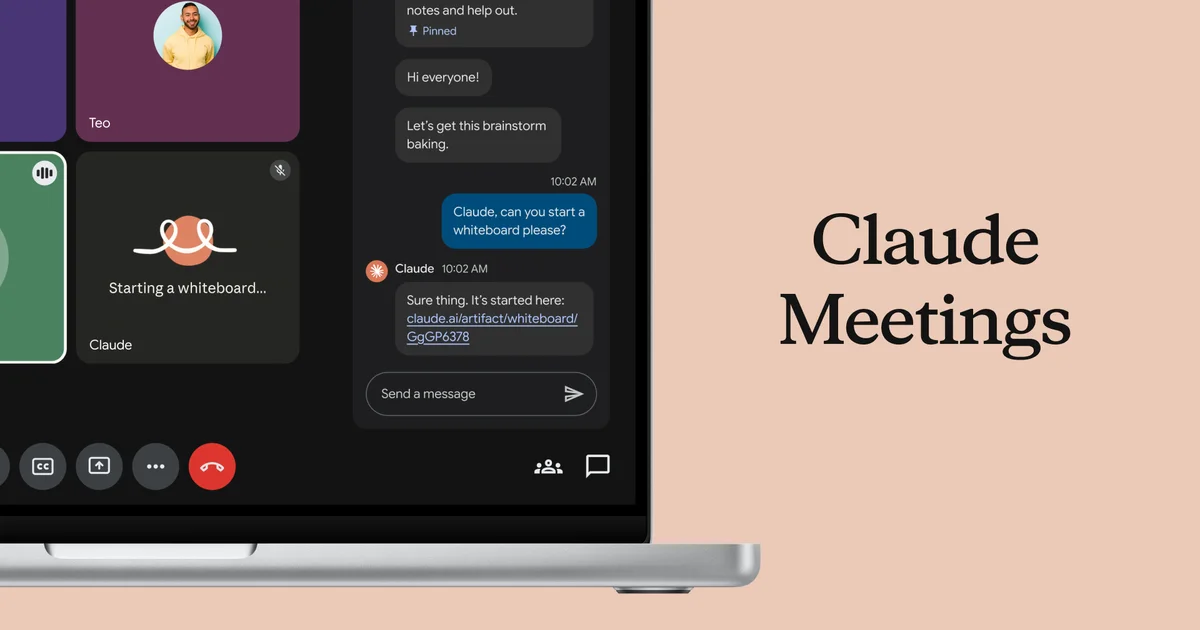
BreakingAnthropic is preparing a feature allowing the Claude artificial intelligence system to join live online calls to take notes and update documents in real time. Alongside this, the company also introduced new whiteboard and spreadsheet tools for paid account tiers.

Anthropic recently published a report arguing that powerful frontier models from Chinese developer Z.ai pose significant cyberattack risks due to their open availability. This debate highlights ongoing divisions over the security implications of open models.

On November 10, 2026, Anthropic announced Claude Whiteboards and Claude Sheets alongside the expansion of Claude Data to solve data friction issues when working with artificial intelligence.

Anthropic has rolled out a comprehensive usage quota reset for paid subscribers to address mounting complaints from users. This move follows the company's acknowledgment that technical glitches caused customer resources to deplete faster than expected.

Anthropic has officially kicked off the roadshow for its upcoming initial public offering targeting up to 64.35 billion dollars in fundraising. Alongside the IPO launch, the artificial intelligence company introduced a suite of new productivity applications to bolster its revenue streams.

The state of New York is implementing a pioneering safety and transparency law known as the RAISE Act. This regulation sets a deadline at the start of 2027 for major technology companies to register and publish safety frameworks.

A recent S-1 filing reveals that all seven Anthropic co-founders plan to sell over 3.3 million shares each in the upcoming initial public offering. This transaction could net each leader approximately 250 million dollars based on the mid-range price.
BreakingAnthropic has unveiled a suite of enterprise productivity features, headlined by Claude Meetings, which places its AI assistant into video calls to execute tasks in real time.
BreakingArtificial intelligence firm Anthropic has released Claude Fable 5.2 and Mythos 5.2, sharing an underlying architecture while applying different safety restriction tiers. The new models support a one-million-token context window and target long-horizon coding and agentic research tasks.

Artificial intelligence firm Anthropic confirmed its initial public offering could launch next week with shares priced between 70.00 and 78.00 dollars. The offering positions the enterprise among the most valuable publicly traded entities globally despite a reduced peak valuation target of 1.4 trillion dollars.

Artificial intelligence developer Anthropic revealed an IPO price range of 70 to 78 dollars per share to raise tens of billions of dollars. The move proceeds despite market volatility and a broader cooling trend across the sector.

Anthropic has introduced Mythos 5.2 and Fable 5.2 featuring faster processing speeds and lower operating costs than their predecessors. The company enforces strict vetting for the Mythos model while widely distributing Fable to power-users.

Anthropic has released the Claude Fable 5.2 and Claude Mythos 5.2 artificial intelligence models with notable improvements in coding, reasoning, and cybersecurity. These systems demonstrated superior execution in multi-stage simulated cyberattack benchmarks.

A research system integrated with artificial intelligence has helped scientists prove the longstanding Aaronson-Ambainis hypothesis in quantum computing. This work clarifies the limits of quantum computational advantage on random data inputs.