Hatch Sleep Clock Review: A Contactless Sleep Tracker (2026)
Executive Briefing
Synthesized and verified with gemini-2.0-flash-thinking-exp
“I’m obsessed with sleep data, but I don’t love wearing a smartwatch to bed.”
Key Takeaways
- 1.Hatch Sleep Clock Review: A Contactless Sleep Tracker (2026)
- 2.System architecture and practical deployment considerations.
- 3.Performance evaluation and impact on the broader ecosystem.
As if I didn’t have enough to obsess over, I have started monitoring my sleep.
On the one hand, I want to know everything: How long did I sleep? How badly? Was that 5 pm double espresso a terrible idea? Is the glass of champagne (or three) I have on Fridays killing my readiness? But I don’t love wearing a smartwatch or smart ring to bed. Between the wearables, nasal strips, and mouth tape, sometimes a girl just wants to go to sleep.
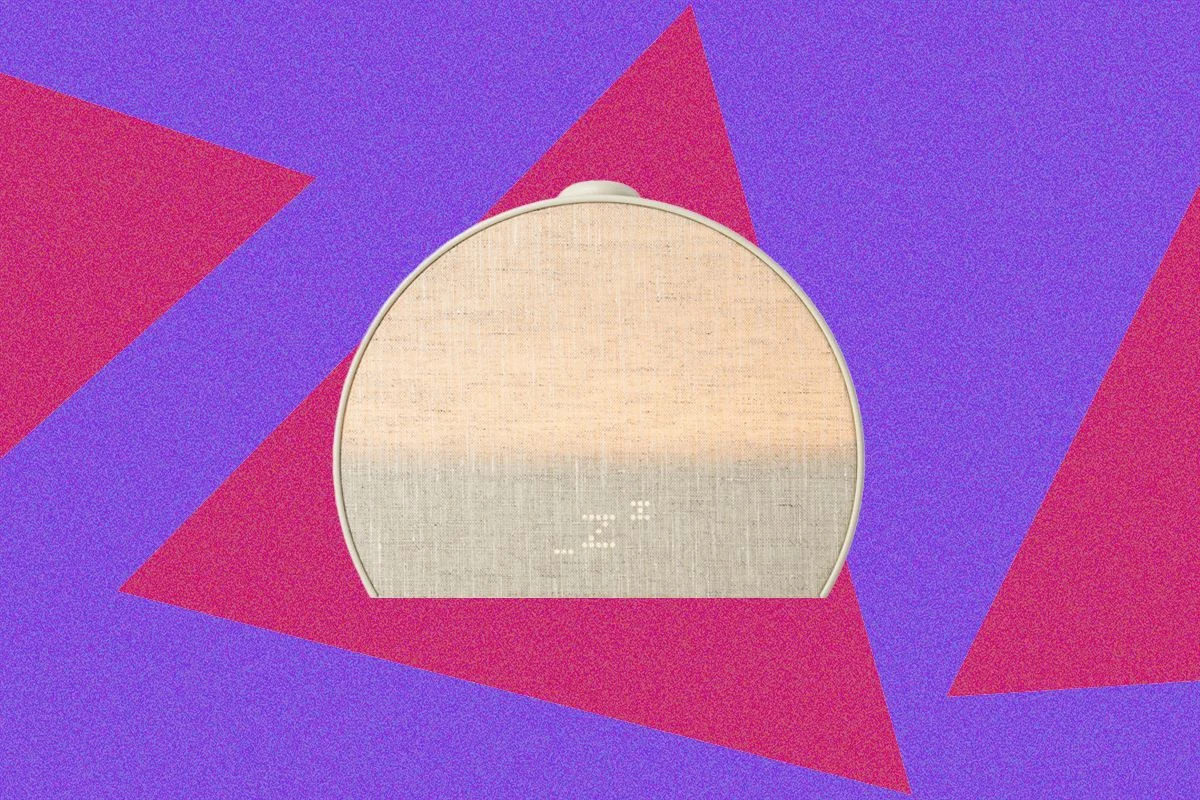
Enter the Hatch Sleep Clock, the company’s first sunrise alarm clock to offer contactless sleep tracking from your nightstand. Priced at $249, it lands between less expensive bedside trackers like the Google Nest Hub ($100) and premium systems like Eight Sleep (starting at $1,999). It costs about as much as an Apple Watch SE 3 ($249), but it doesn’t offer the physiological measurements you’d get from a wearable. Its audio library also remains locked behind a paywall, and controlling it through your smartphone feels counterintuitive if you’re trying to spend less time with a screen before bed.
As someone who’s never owned a sunrise alarm clock, after a month of testing the Hatch Sleep Clock, I’m sold. But for sleep tracking, I’m still going to check my Oura app.