Xreal Aura review shows solid hardware limited by Android XR
Executive Briefing
“Xreal has launched the Xreal Aura augmented reality glasses featuring comfortable hardware,...”
Key Takeaways
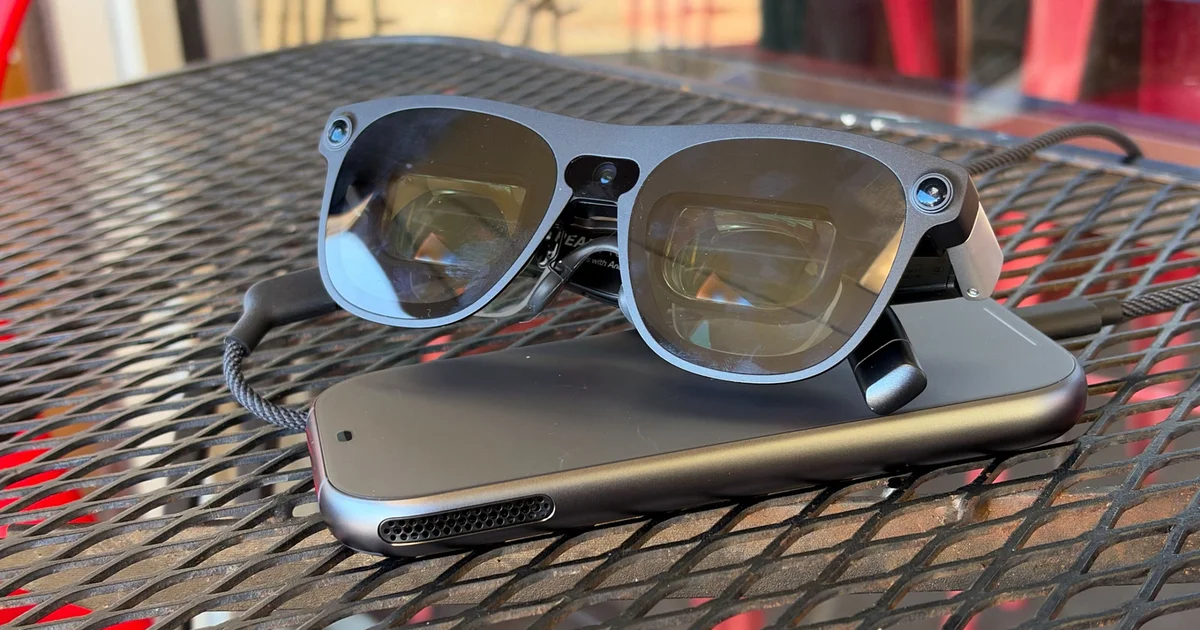
- 1.The Xreal Aura frames weigh 95 grams and utilize micro-OLED displays with a resolution slightly beyond 1080p alongside a 70-degree field of view.
- 2.The bundled Compute Puck houses a Qualcomm Snapdragon Reality Elite system-on-a-chip and Xreal's custom X1S spatial processor.
- 3.During testing, the device's battery lasted roughly three hours when split between streaming video, web browsing, and exploring spatial features.
Xreal has launched the Xreal Aura augmented reality glasses featuring comfortable hardware, though the device is held back by an immature Android XR software platform. The headset starts at $1,279 with a promotional price of $1,099 through December.
Product Features & Key Highlights
The Xreal Aura frames weigh 95 grams and utilize micro-OLED displays with a resolution slightly beyond 1080p alongside a 70-degree field of view.
The bundled Compute Puck houses a Qualcomm Snapdragon Reality Elite system-on-a-chip and Xreal's custom X1S spatial processor.
During testing, the device's battery lasted roughly three hours when split between streaming video, web browsing, and exploring spatial features.
Practical Assessment & Evaluation
Relying on an unpolished Android XR operating system makes it difficult for the Xreal Aura to compete with rivals like the Apple Vision Pro or Meta's headsets, while significantly increasing the hardware cost compared to the company's traditional display glasses.
Pricing, Availability & Next Steps
It remains unclear how long Google will commit to and invest in the Android XR ecosystem given the eventual abandonment of earlier virtual reality platforms like Daydream.