Nvidia debuts Rubin HPC processor and research libraries for scientific workloads
Executive Briefing
“Nvidia introduced its upcoming Rubin HPC graphics processor alongside a suite of scientific...”
Key Takeaways
- 1.Nvidia introduced the Rubin HPC graphics chip featuring over 50,000 CUDA cores and sparse data acceleration, scheduled for release in 2028.
- 2.The company added software libraries such as cuPhoton.xBeam, which reduces telescope data analysis time from a month to eight minutes.
- 3.The Nemotron for Science bundle integrating the open-source Nemotron 3.5 Super VL large language model was released to assist scientific research tasks.
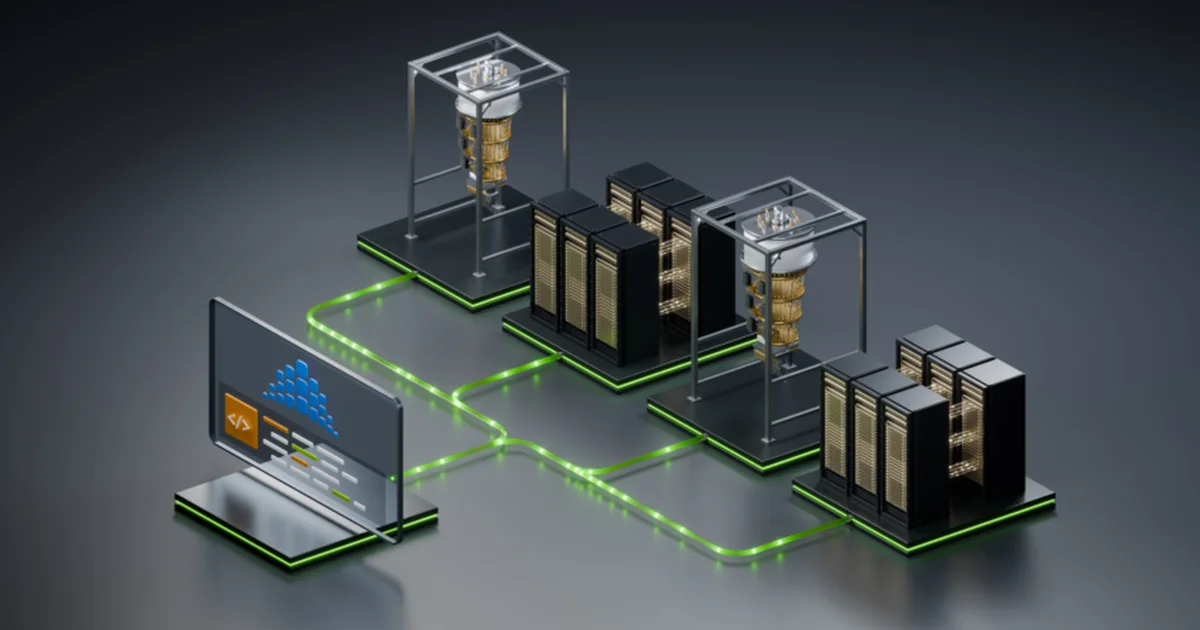
- 4.Nvidia teamed up with IBM and Fermilab to develop a modular quantum codesign platform combining DGX B200 systems with quantum hardware.
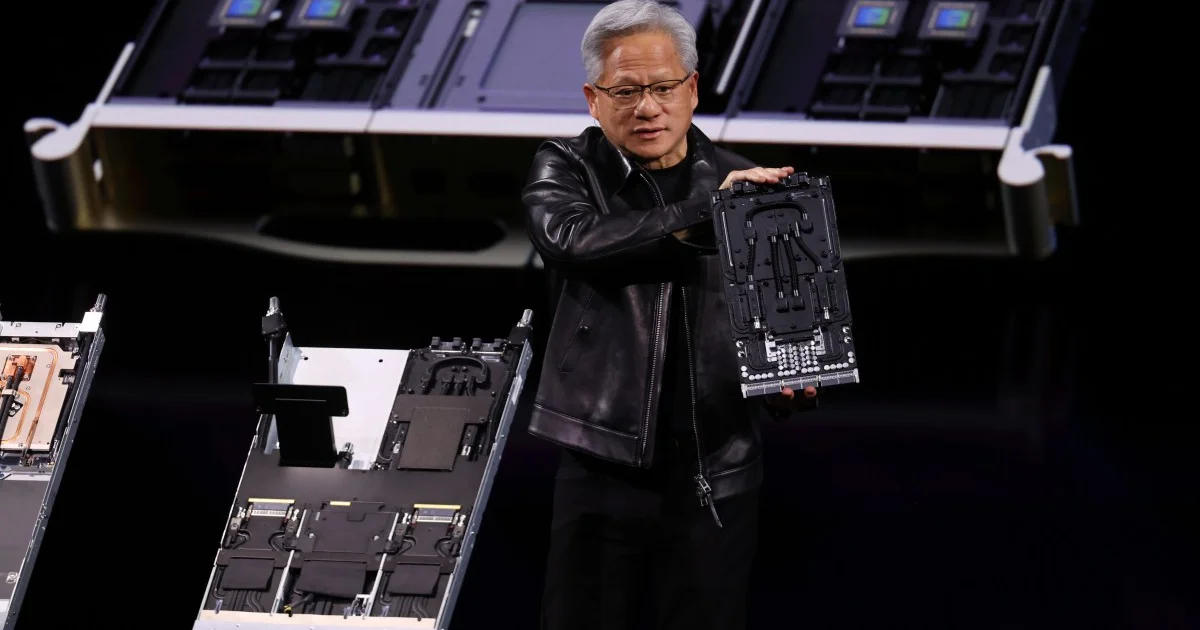
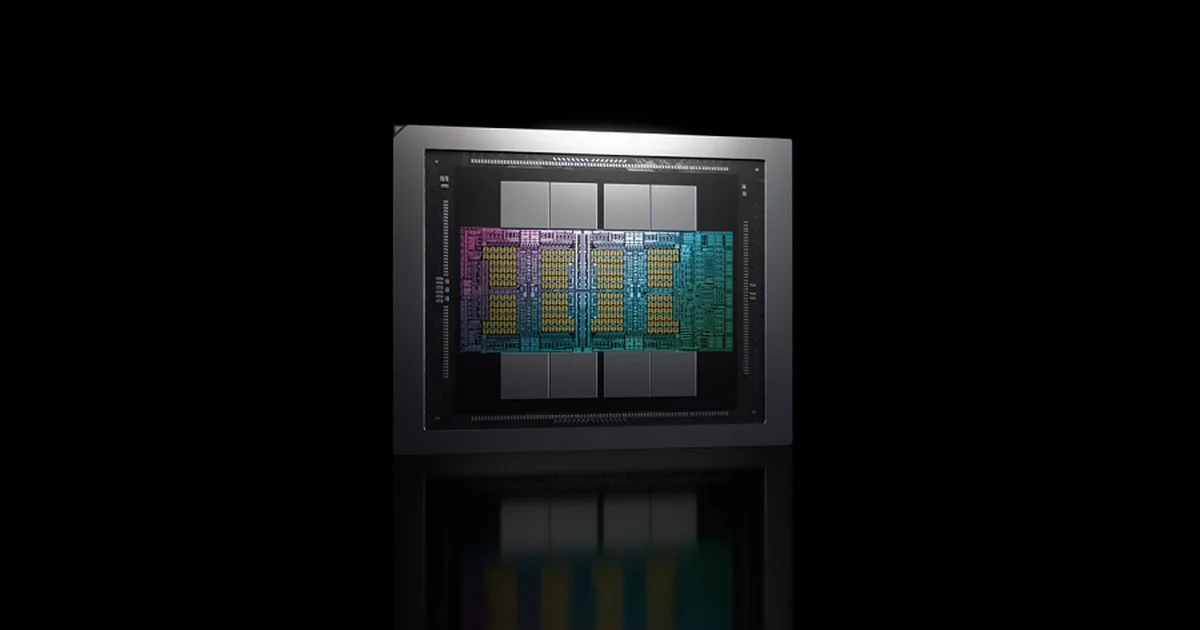
Nvidia introduced its upcoming Rubin HPC graphics processor alongside a suite of scientific software tools at the SC26 conference. The new chip is scheduled for commercial release in 2028.
Key Developments and Technical Context
Nvidia introduced the Rubin HPC graphics chip featuring over 50,000 CUDA cores and sparse data acceleration, scheduled for release in 2028.
The company added software libraries such as cuPhoton.xBeam, which reduces telescope data analysis time from a month to eight minutes.
The Nemotron for Science bundle integrating the open-source Nemotron 3.5 Super VL large language model was released to assist scientific research tasks.
Nvidia teamed up with IBM and Fermilab to develop a modular quantum codesign platform combining DGX B200 systems with quantum hardware.
Strategic Analysis and Industry Implications
The integration of massive CUDA core counts with specialized software libraries highlights Nvidia's comprehensive hardware-software strategy in the high-performance computing market.
Sparse data acceleration optimizes performance for fields that generate vast arrays of zeros, such as astronomy and biological simulations.
Outlook and Key Factors to Watch
The actual real-world performance and power consumption of the Rubin HPC chip within large-scale supercomputing clusters remain independently unverified.
Detailed timelines for the rollout of the joint quantum codesign platform among Nvidia, IBM, and Fermilab have not been fully disclosed.