NVIDIA unveils scientific agent tools and hardware platforms at high-performance computing event
Executive Briefing
“At a high-performance computing conference in Chicago, NVIDIA executives introduced new...”
Key Takeaways
- 1.Ian Buck introduced software tools allowing artificial intelligence agents to plan experiments, execute code, and verify results on researcher systems.
- 2.The Nemotron for Science package combines the Nemotron 3.5 Super VL open model with a chemistry dataset and post-training recipes for life sciences.
- 3.The Rubin HPC graphics processor within the Vera Rubin platform supports precisions from FP64 to FP4, adds sparse-data acceleration, and is expected in 2028.
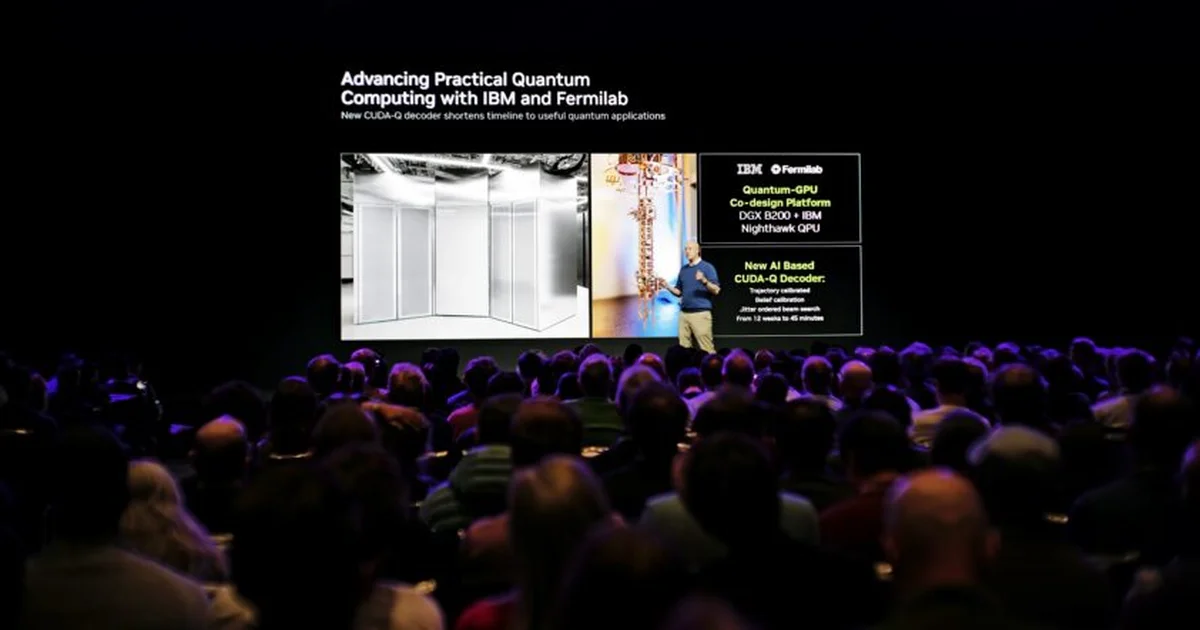
- 4.NVIDIA, IBM, and Fermi National Accelerator Laboratory announced a quantum computing collaboration to support error-correction and application research.
At a high-performance computing conference in Chicago, NVIDIA executives introduced new artificial intelligence agent tools and hardware platforms designed to advance scientific simulation and quantum research.
Key Developments and Technical Context
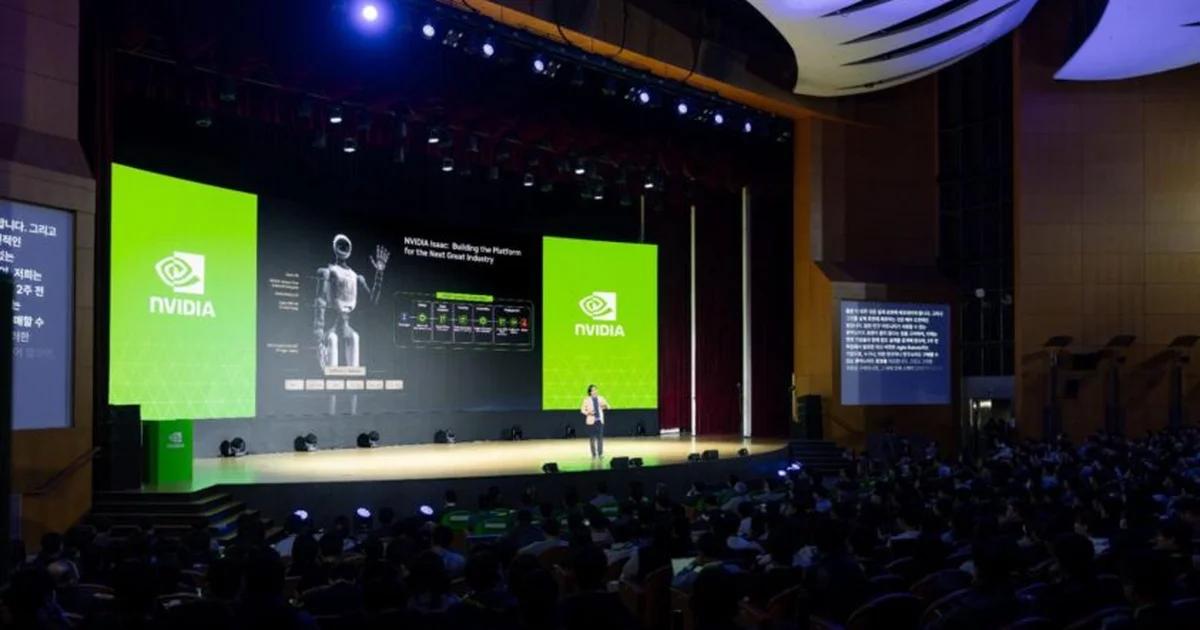
Ian Buck introduced software tools allowing artificial intelligence agents to plan experiments, execute code, and verify results on researcher systems.
The Nemotron for Science package combines the Nemotron 3.5 Super VL open model with a chemistry dataset and post-training recipes for life sciences.
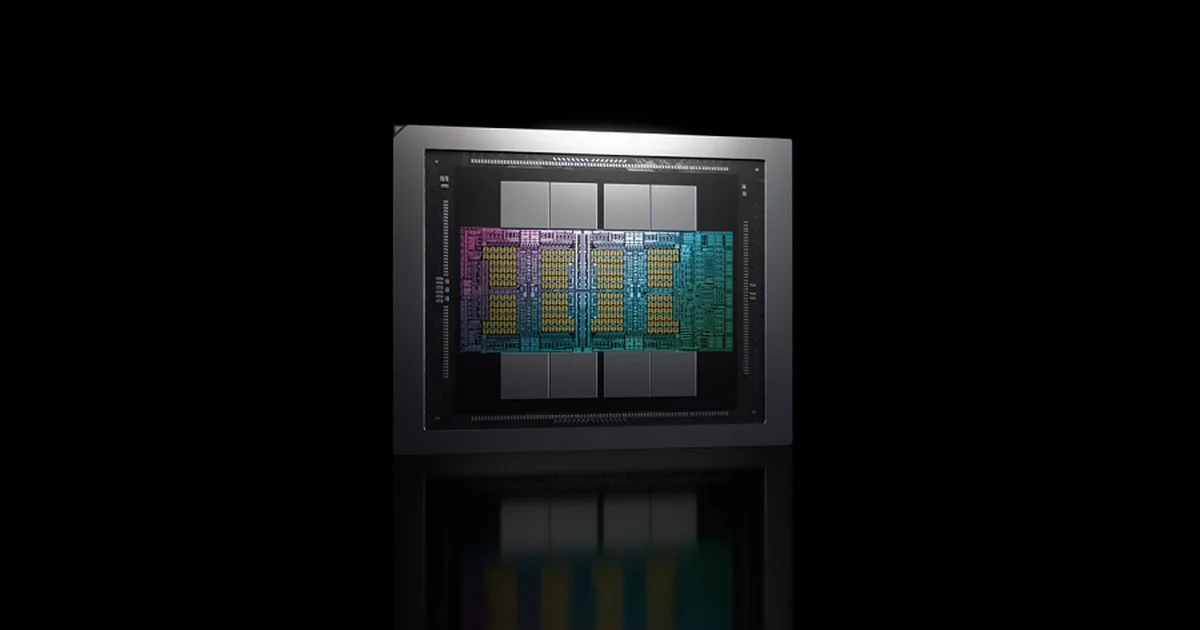
The Rubin HPC graphics processor within the Vera Rubin platform supports precisions from FP64 to FP4, adds sparse-data acceleration, and is expected in 2028.
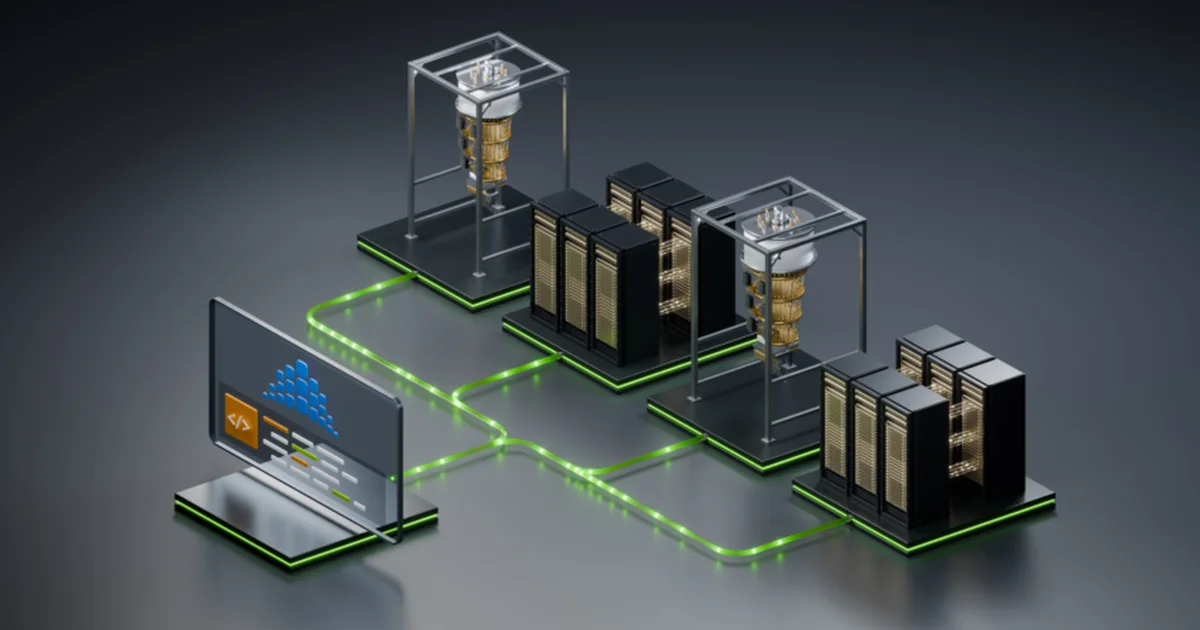
NVIDIA, IBM, and Fermi National Accelerator Laboratory announced a quantum computing collaboration to support error-correction and application research.
Strategic Analysis and Industry Implications
Integrating autonomous agents into supercomputing workflows reflects a broader industry shift from purely manual simulation toward closed-loop automated research systems.
Pairing Vera central processors with specialized scientific GPUs highlights the hardware architectural adjustments required to sustain frequent model tool calls.
Outlook and Key Factors to Watch
The real-world performance and operational costs of these autonomous agents when deployed at scale across independent research centers remain to be fully evaluated.
Detailed commercial availability timelines and pricing structures for the Vera Rubin platform beyond the expected 2028 window were not specified.