AIINEWS

AIINEWS

Global intelligence on artificial intelligence and computing

F5 warns six critical BIG-IP flaws can crash traffic and risk execution

AIINEWS Editorial Board•security
19 November, 2026•2 min read
F5 warns six critical BIG-IP flaws can crash traffic and risk execution

Executive Briefing

“F5 has warned of six critical security vulnerabilities in BIG-IP systems allowing attackers...”

Key Takeaways

  • 1.Six critical vulnerabilities in F5 BIG-IP allow an attacker to crash the Traffic Management Microkernel without logging in, disrupting traffic until the microkernel restarts.
  • 2.The company rates all six vulnerabilities 9.8 under CVSS v3.1 and 9.3 under CVSS v4.0, stating they may also allow remote code execution.
  • 3.Each flaw requires a specific setup on a virtual server, such as an iRule using a particular command or an APM policy including specific kinds of agents.

F5 has warned of six critical security vulnerabilities in BIG-IP systems allowing attackers to crash traffic management without authentication. The flaws stem from stack-based buffer overflows in the data plane and carry a CVSS score of 9.8.

Incident Details & Technical Context

Six critical vulnerabilities in F5 BIG-IP allow an attacker to crash the Traffic Management Microkernel without logging in, disrupting traffic until the microkernel restarts.

The company rates all six vulnerabilities 9.8 under CVSS v3.1 and 9.3 under CVSS v4.0, stating they may also allow remote code execution.

Each flaw requires a specific setup on a virtual server, such as an iRule using a particular command or an APM policy including specific kinds of agents.

Risk Assessment & Security Implications

The location of these flaws within the data plane rather than the exposed management side highlights that attack surfaces targeting actual network processing paths remain high-risk areas.

Because current remedies rely on engineering hotfixes lacking the extensive quality assurance of scheduled software releases, administrators must carefully evaluate operational stability risks before deployment.

Mitigation & Factors to Watch

It remains unknown whether these vulnerabilities have been actively exploited in the wild.

The exact timeline for scheduled software releases incorporating permanent fixes remains unspecified.


Independently verified, edited, and published by AIINEWS Editorial Board
3-tier verified
Editorial standards
Share this intelligence report:
Expanded Perspectives & Intelligence

Related Dispatches & Deep Dives

Curated 8 specialized reports
Anti-Oligarchy Activists Plan to Dox Elon Musk and Hundreds of Billionaire-Linked Homes

Anti-Oligarchy Activists Plan to Dox Elon Musk and Hundreds of Billionaire-Linked Homes

An underground activist group says it plans to start openly doxing billionaires as part of a phased campaign against what it calls the American oligarchy—beginning this month with a release that maps the homes of Elon Musk, his brother Kimbal, and Tesla’s board, alongside investors and suppliers that keep the corporation afloat. Two of its members, interviewed by WIRED on the condition of anonymity, say they spent the past year constructing dossiers on billionaires—and one trillionaire—and the people they consider their top lieutenants, using nearly every method available to a private investigator, and some that are not. The pair say the group is international and includes grassroots activists, researchers, journalists, and artists, including some who received top honors in print, television, and digital media in their former careers.

7 min read9,161
A fresh wave of cyberattacks has hit Europe’s supermarket refrigerators, destroying food across countries

A fresh wave of cyberattacks has hit Europe’s supermarket refrigerators, destroying food across countries

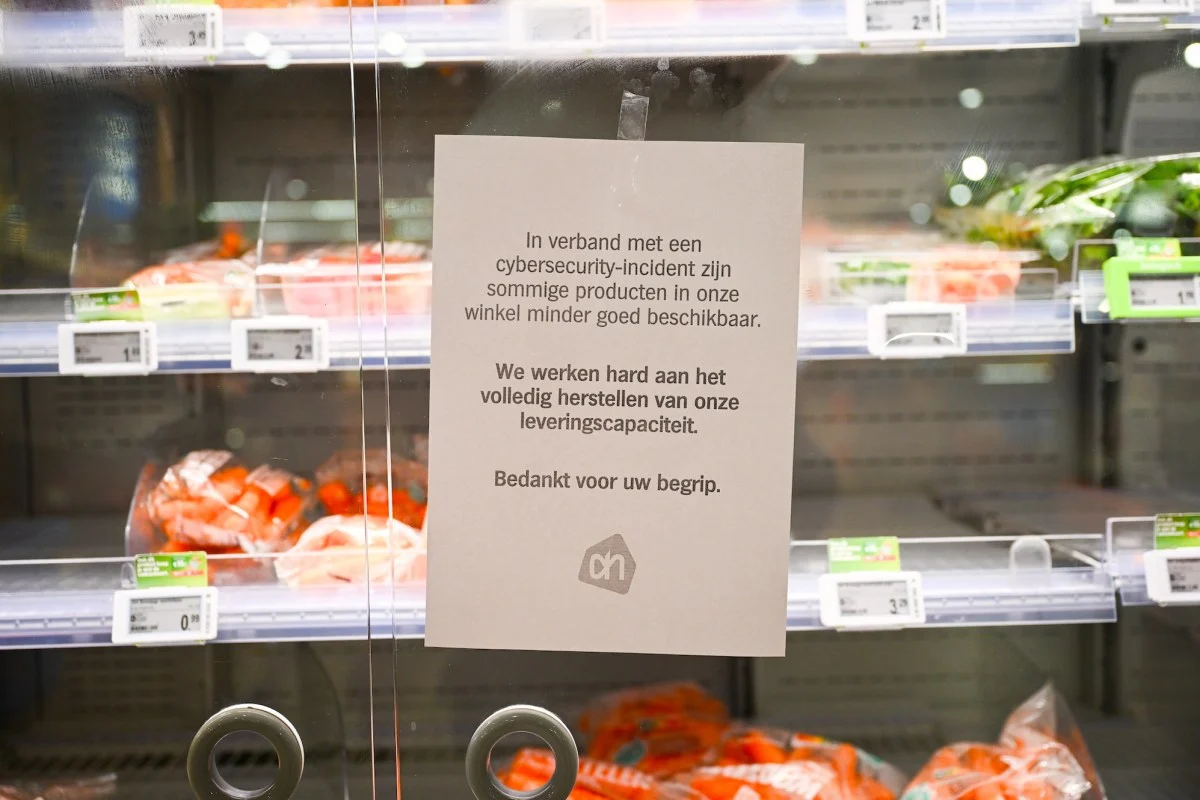
A second wave of cyberattacks is suspected to have hit supermarket refrigerators across Europe, causing fridges to increase temperatures and spoil food at dozens of stores across Belgium, Ireland, Luxembourg and Sweden. Supermarket giants Ahold Delhaize and Colruyt confirmed the hacks overnight, with one Belgian company that operates Delhaize’s systems saying that the hackers had changed the settings to defrost, per Reuters. Stores have experienced heavy food losses from the cyberattacks, forcing supermarkets to throw out goods that had defrosted or were otherwise no longer consumable.

2 min read5,603

Explore AIINEWS Intelligence Vault

Over 2,000 in-depth dispatches structured across 18 specialized tech & AI categories.

Browse all 18 categories