Google adapts Kubernetes instead of building a new stack for AI agent workloads

Executive Briefing
“Google is optimizing its Kubernetes orchestration platform to run AI agents through the...”
Key Takeaways
- 1.Google chose to tune Kubernetes clusters for specific workloads instead of building an entirely new stack, according to Jago Macleod.
- 2.AI agents generate untrusted code on the fly and strain the Kubernetes control plane through high pod churn and thrash.
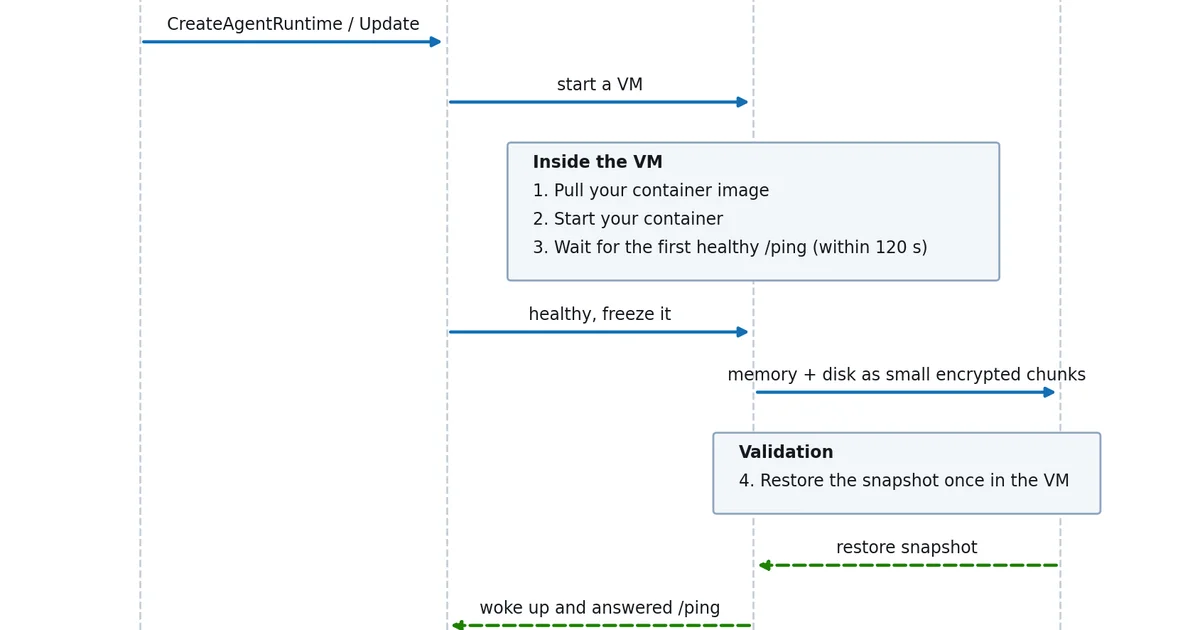
- 3.Google developed Agent Substrate to run agents in sandboxes and donated the project to the CNCF alongside its version 1.0 release.
Google is optimizing its Kubernetes orchestration platform to run AI agents through the newly released version 1.0 of Agent Substrate. This initiative addresses operational strain and security challenges caused by untrusted generated code.
Key Developments and Technical Context
Google chose to tune Kubernetes clusters for specific workloads instead of building an entirely new stack, according to Jago Macleod.
AI agents generate untrusted code on the fly and strain the Kubernetes control plane through high pod churn and thrash.
Google developed Agent Substrate to run agents in sandboxes and donated the project to the CNCF alongside its version 1.0 release.
Strategic Analysis and Industry Implications
Maintaining the Kubernetes foundation rather than fragmenting the ecosystem allows enterprises to leverage existing compute fabric without building complex custom control planes from scratch.
The prolonged idle states of AI agents during sessions necessitate deep resource management improvements to prevent the waste of CPU cycles.
Outlook and Key Factors to Watch
The practical efficiency of Agent Substrate when operating at large scale within enterprise customer production environments remains fully unquantified.
Specific technical details regarding how the system optimizes resource consumption during agent idle periods have not been fully disclosed.