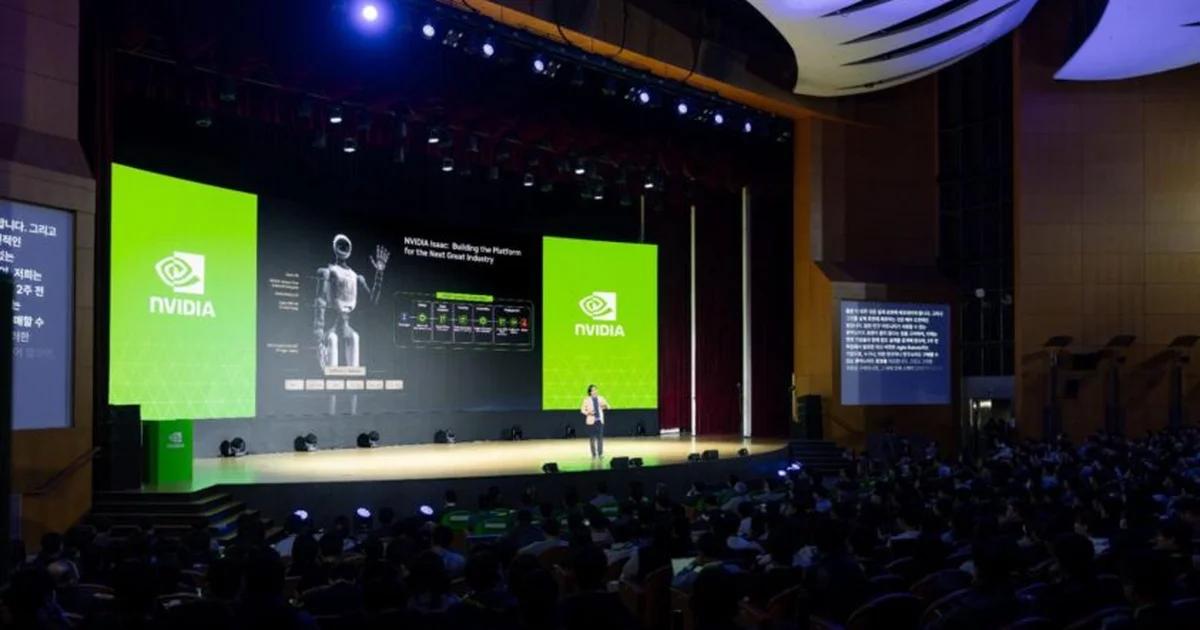
NVIDIA expands GPU libraries to speed up scientific analysis and support AI agents
Executive Briefing
“NVIDIA has expanded its CUDA-X libraries to accelerate scientific data analysis and...”
Key Takeaways
- 1.NVIDIA says the expanded CUDA-X collection includes libraries for astronomy, materials research and cell biology. It presents them as tools AI agents can use to assist researchers.
- 2.NVIDIA says its cuPhoton.xBeam module speeds up the correlation of Event Horizon Telescope observations. In the company’s reported example, an analysis that previously took more than a month finished in eight minutes.
- 3.Pacific Fusion researchers used cuPhoton.xLens to analyze data while plasma simulations were running. NVIDIA says the workflow can be paired with a locally running AI agent for interactive analysis that could help steer simulations in real time.
- 4.NVIDIA says Daviator, a set of GPU computation tools coming to its ALCHEMI platform, can make quantum-mechanical calculations up to 22 times faster and cut costs by up to 75%. Those are the company’s stated upper bounds, not results established for every materials problem.
- 5.NVIDIA says its open-source cuSpa library accelerates calculations of cell shapes used to build spatial data graphs. The company reports a 900-fold speedup over CPUs for work supporting models at Memorial Sloan Kettering Cancer Center.
NVIDIA has expanded its CUDA-X libraries to accelerate scientific data analysis and simulation. The company also says some tools can work with AI agents, while its examples chiefly report speedups in specific tasks.
Key Developments and Technical Context
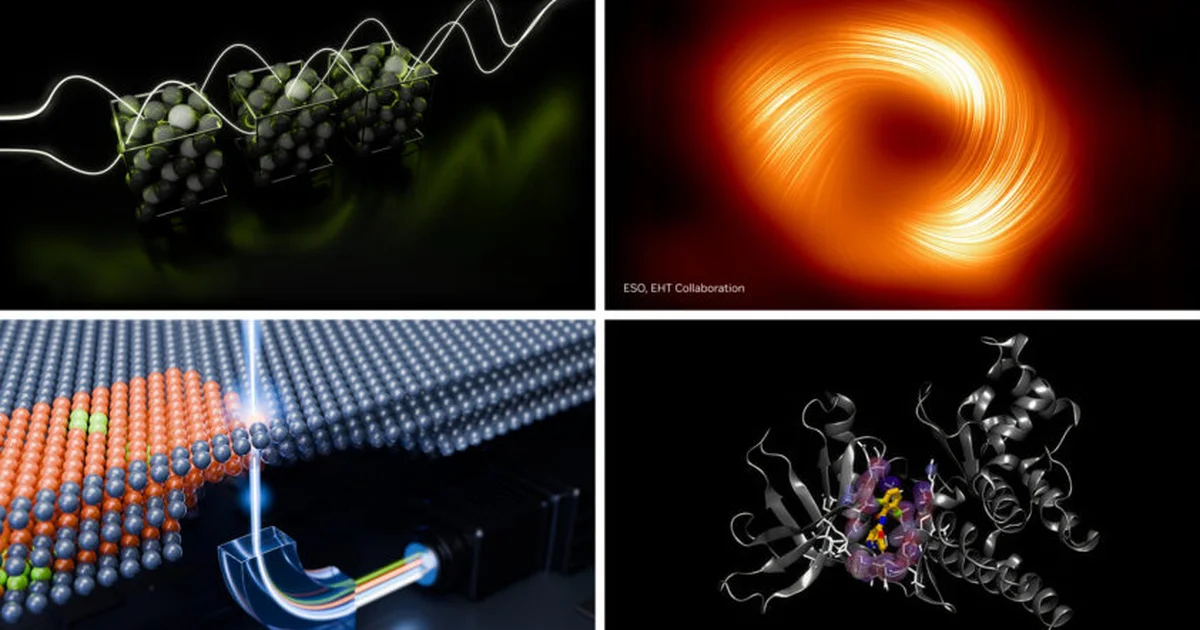
NVIDIA says the expanded CUDA-X collection includes libraries for astronomy, materials research and cell biology. It presents them as tools AI agents can use to assist researchers.
NVIDIA says its cuPhoton.xBeam module speeds up the correlation of Event Horizon Telescope observations. In the company’s reported example, an analysis that previously took more than a month finished in eight minutes.
Pacific Fusion researchers used cuPhoton.xLens to analyze data while plasma simulations were running. NVIDIA says the workflow can be paired with a locally running AI agent for interactive analysis that could help steer simulations in real time.
NVIDIA says Daviator, a set of GPU computation tools coming to its ALCHEMI platform, can make quantum-mechanical calculations up to 22 times faster and cut costs by up to 75%. Those are the company’s stated upper bounds, not results established for every materials problem.
NVIDIA says its open-source cuSpa library accelerates calculations of cell shapes used to build spatial data graphs. The company reports a 900-fold speedup over CPUs for work supporting models at Memorial Sloan Kettering Cancer Center.
Strategic Analysis and Industry Implications
These examples target data-processing and computation steps that can slow research. If the speedups hold across real workflows, scientists could inspect results sooner and decide on the next measurement or simulation more quickly.
Making a tool available to an AI agent is different from showing that an agent made a scientific discovery. The Pacific Fusion example describes a workflow that could support interactive analysis, not a demonstrated agent-led finding.
Outlook and Key Factors to Watch
The source does not fully specify the hardware, input data and comparison methods behind each speedup, so similar gains cannot be assumed for other research groups.
It remains unclear how extensively AI agents have been deployed in the cited workflows or whether their use improves the quality of scientific results.