Trajectory raises $45M to make AI model training accessible to nontechnical experts
Executive Briefing
Synthesized and verified with gemini-2.0-flash-thinking-exp
“Whether developed by OpenAI, Anthropic, or built on open-source alternatives, current AI models shar”
Key Takeaways
- 1.Whether developed by OpenAI, Anthropic, or built on open-source alternatives, current AI models share a critical limitation: they don’t learn from their mistakes without further training.
- 2.Businesses adapting these models for specialized fields, such as law and finance, typically get around this by fine-tuning general models.
- 3.However, that often requires hiring internal research teams or relying on expensive consultants, commonly known as forward-deployed engineers (FDEs).
Whether developed by OpenAI, Anthropic, or built on open-source alternatives, current AI models share a critical limitation: they don’t learn from their mistakes without further training.
Businesses adapting these models for specialized fields, such as law and finance, typically get around this by fine-tuning general models. However, that often requires hiring internal research teams or relying on expensive consultants, commonly known as forward-deployed engineers (FDEs).
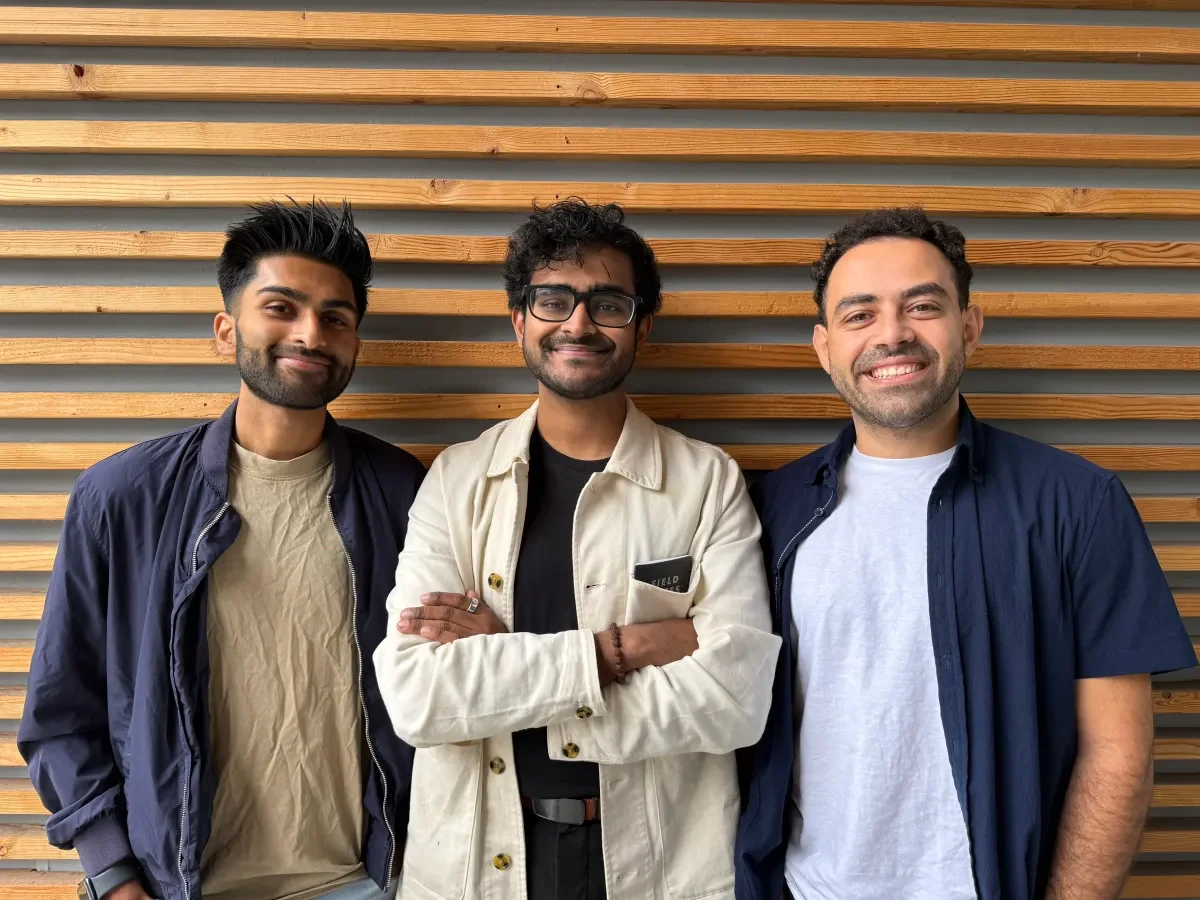
Trajectory, a startup founded about a year ago by three Stanford classmates with experience at Google DeepMind and Apple, wants to automate that process, allowing AI models to learn from feedback and continuously improve at specialized tasks.
The 18-person company just announced that it raised $45 million in a Series A round at a $300 million valuation, led by Sequoia, with participation from Nvidia, Bessemer Venture Partners, and Bain Capital Ventures.
Trajectory co-founder Ronak Malde compared foundational models to a very smart PhD student who’s always starting a new job. “But what the economy values is someone who worked on the job for 30 years,” he told TechCrunch.
The startup aims to solve this problem through an approach known as continual learning. Businesses using Trajectory can start with an open-source AI model and connect the platform to their applications, allowing it to collect feedback on how the model performs. Trajectory then uses that information to retrain the model, helping it improve at specialized tasks over time.
With Trajectory, lawyers, doctors, and other specialists can improve the models near automatically themselves, Malde said. That capability could make deploying specialized AI faster and cheaper.
Companies like Harvey and Rogo are already using Trajectory’s platform to post-train open-source models, helping them perform more like experienced lawyers or financial analysts by learning from previous tasks, such as reviewing a particular type of legal contract or valuing a company using a specific methodology. Trajectory’s other customers include Decagon, Mercor, and Nvidia. The startup is now making its post-training platform publicly available.
The people using Trajectory decide “what good looks like for their organization and can turn that into improvements for their model,” Malde said.
Trajectory’s approach to continual learning shares some similarities with recursive self-improvement (RSI), the idea that AI systems can improve their own capabilities. But co-founder Michael Elabd argues that keeping humans involved in the training process makes Trajectory’s approach safer, since autonomous self-improvement could lead to unintended or even dangerous outcomes.
Trajectory isn’t the only startup trying to automate post-training. It considers Thinking Machines Lab, founded by former OpenAI CTO Mira Murati and the company behind the fine-tuning platform Tinker, a direct competitor, along with Applied Compute, which was valued at $3.25 billion last month, and Prime Intellect, which helps companies build and train their own AI agents.
Malde believes the startup’s biggest advantage is its team. He was among the handful of researchers Google DeepMind acqui-hired from Windsurf. Elabd also worked at DeepMind, while Trajectory’s third co-founder, Arjun Karanam, previously worked on generative foundation models at Apple. The startup has also recruited researchers and product designers from OpenAI, Stripe, and Netflix.
Why does design matter so much to a company focused on AI training? Karanam says the startup has developed an interface that makes post-training more accessible to its non-technical customers.