Promote cross-recognition of digital signatures across borders
Executive Briefing
Synthesized and verified with gemini-2.0-flash-thinking-exp
“# Promote cross-recognition of digital signatures across borders Quang Ninh According to experts, c”
Key Takeaways
- 1.# Promote cross-recognition of digital signatures across borders Quang Ninh According to experts, cross-recognition of digital signatures between countries will promote cross-border electronic transactions and develop the digital economy.
- 2.A digital signature recognized in one country may not be accepted in another country.
- 3.This issue was mentioned by experts at a conference on cross-border reliable services, on the morning of October 29, within the framework of Vietnam International Digital Week 2026.
Quang Ninh According to experts, cross-recognition of digital signatures between countries will promote cross-border electronic transactions and develop the digital economy.
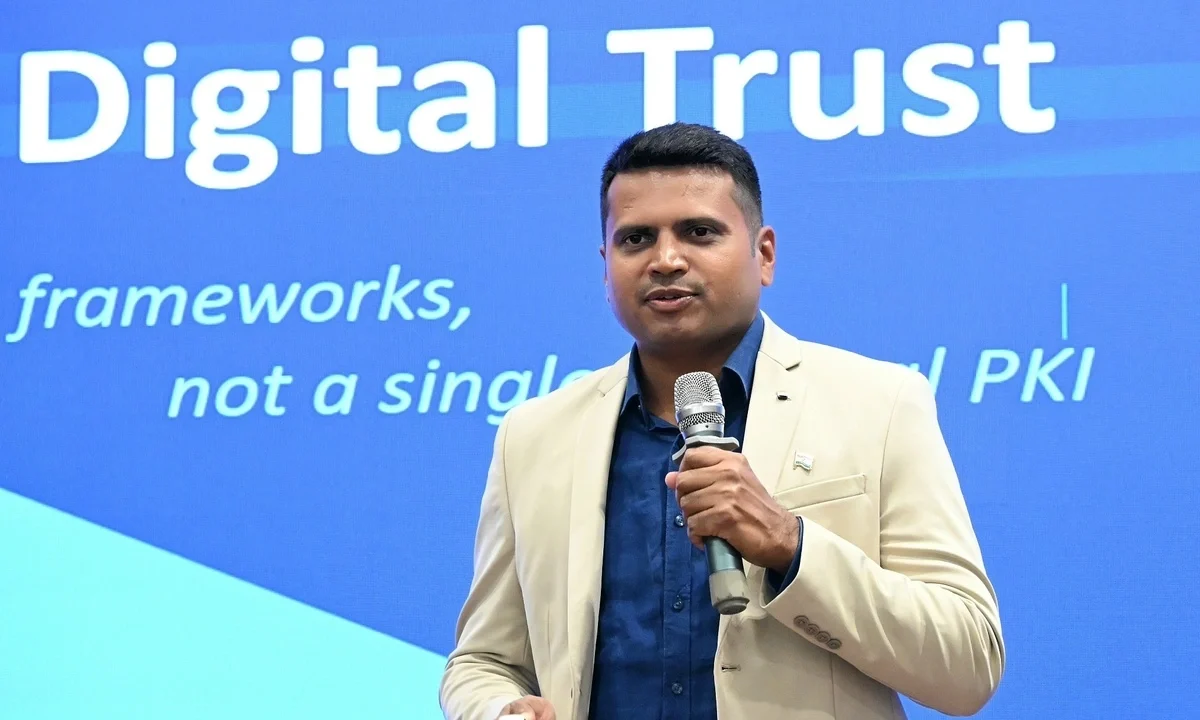
A digital signature recognized in one country may not be accepted in another country. This issue was mentioned by experts at a conference on cross-border reliable services, on the morning of October 29, within the framework of Vietnam International Digital Week 2026.
The situation is also reflected in the survey of the Asian Public Key Infrastructure Consortium (APKIC). Mr. Vijayakumar Manjunatha, Secretary General of the association, said that of the 36 countries and territories participating in the survey, only 15 places applied public key infrastructure (PKI) in cross-border trade.
In particular, the survey did not record mutual recognition agreements on reliable services between South Asian, Southeast Asian and East Asian countries. According to APKIC representatives, compliance with the same technical standards does not mean mutual recognition. A digital signature can be technically verified but still has no legal value in the receiving country.
Mr. Fábio Rego, from digital signing service provider Ascertia, gave the example of a Vietnamese business registration certificate that is digitally signed and presented at a bank or court in the European Union (EU). The verification system in the EU may not be able to determine the trust status of a digital signature, even though it was created in accordance with Vietnamese regulations.
At that point, the parties must return to the paperwork process, including printing documents, applying for certification, and translating. However, paper certification does not enable the original digital signature to be verified by the EU's electronic system. Similar obstacles may also appear when digitally signed documents in the EU are brought to Vietnam.
According to Mr. Rego, building a mutual recognition mechanism for trusted services helps businesses verify transactions more conveniently when operating between countries.
Mr. Pham Quoc Hoan, Deputy Director of the National Electronic Authentication Center, said that Vietnam has deployed three trusted services, including digital signature authentication, timestamp and data message authentication.
Current law allows recognition of digital signatures, digital signature certificates and organizations providing foreign digital signature authentication services when corresponding conditions are met. However, building a mechanism for a system between countries to automatically verify and recognize each other still needs to be researched.
According to Mr. Hoan, if systems can verify and recognize each other, document exchange, e-commerce and customs-related procedures will be more convenient, while reducing costs for all parties.
Deputy Minister of Science and Technology Pham Duc Long commented that when the digital economy transcends national borders, "digital trust also needs to be able to cross borders". However, a digital signature accepted in one country is "not automatically recognized" in another country, due to differences in laws, technical standards and management mechanisms.
According to him, technical connection is a necessary but not sufficient condition. Countries need to enhance compatibility between systems, harmonize standards and research mutual recognition mechanisms, in accordance with each country's laws.
Digital signature is a method of authenticating identity and document content in the online environment, with the same legal value as a handwritten signature. This tool is used in tax declaration, signing contracts, and online transactions, helping to save time and increase transparency.
Vietnam International Digital Week 2026 takes place from October 28 to 30 in Quang Ninh, organized by the Ministry of Science and Technology, including trend and policy dialogue sessions, combined with technology display and demonstration activities.
Zhong Dat
- Vietnam focuses on three commitments to develop AI
- ASEAN 5G Strategy: Innovation to create real value
- Science and technology leaders come to Vietnam to discuss AI development

