Startups deploy computer vision and robotics to transform waste sorting
Executive Briefing
“Innovators around the globe are deploying computer vision and robotics to automate waste...”
Key Takeaways
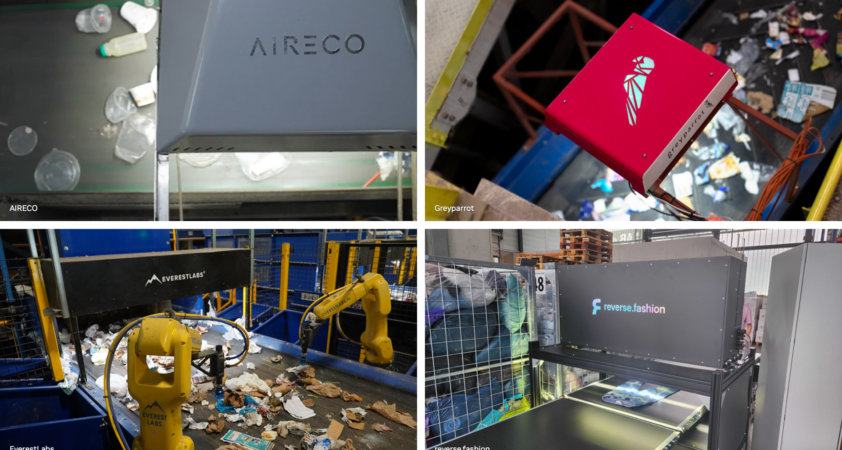
- 1.Josh Parker, head of sustainability at NVIDIA, stated that artificial intelligence helps understand waste stream contents, identify recoverable items, and automate sorting.
- 2.Taiwan-based AIRECO uses NVIDIA Jetson Orin NX modules to run inference on its pilot line, achieving a recognition accuracy of over 95%.
- 3.US-based EverestLabs AI deploys about 150 computer vision-guided robots in facilities across North America and Australia.
- 4.Greyparrot's Analyzer platform uses computer vision to identify passing objects by material and brand on belts moving up to 4 meters a second.
- 5.Berlin-based reverse.fashion uses high-resolution computer vision to sort textiles by product type, defects, color, brand, and fabric construction.
Innovators around the globe are deploying computer vision and robotics to automate waste sorting on fast-moving conveyor belts. These systems help recovery facilities improve sorting accuracy and recover valuable materials that would otherwise end up in landfills.
Key Developments and Technical Context
Josh Parker, head of sustainability at NVIDIA, stated that artificial intelligence helps understand waste stream contents, identify recoverable items, and automate sorting.
Taiwan-based AIRECO uses NVIDIA Jetson Orin NX modules to run inference on its pilot line, achieving a recognition accuracy of over 95%.
US-based EverestLabs AI deploys about 150 computer vision-guided robots in facilities across North America and Australia.
Greyparrot's Analyzer platform uses computer vision to identify passing objects by material and brand on belts moving up to 4 meters a second.
Berlin-based reverse.fashion uses high-resolution computer vision to sort textiles by product type, defects, color, brand, and fabric construction.
Strategic Analysis and Industry Implications
Integrating edge AI and high-speed robotics helps waste facilities overcome labor shortages and increase the recovery rate of commercially viable materials.
Outlook and Key Factors to Watch
The long-term cost-effectiveness and operational durability of these robotic sorting systems across large-scale commercial deployments remain to be fully determined.