The EU is about to lift the ban on gasoline and diesel cars from 2035, internal combustion engine cars will still be sold
Executive Briefing
Synthesized and verified with gemini-2.0-flash-thinking-exp
“Recently in Europe, there has been quite big news for gasoline car enthusiasts: the three largest pa”
Key Takeaways
- 1.Recently in Europe, there has been quite big news for gasoline car enthusiasts: the three largest party groups in the European Parliament, EPP, S&D and Renew, have just agreed on a compromise to sharply relax emissions regulations for new cars.
- 2.If approved, the ban on the sale of new gasoline and diesel cars from 2035 will be considered no longer available, and new gasoline, diesel and hybrid cars will still be sold after 2035.
- 3.According to current law, automakers must reduce the CO2 emissions of new passenger cars by 100% by 2035 compared to 2021 levels, meaning that from that year they will no longer be able to sell new internal combustion engine vehicles.
Recently in Europe, there has been quite big news for gasoline car enthusiasts: the three largest party groups in the European Parliament, EPP, S&D and Renew, have just agreed on a compromise to sharply relax emissions regulations for new cars. If approved, the ban on the sale of new gasoline and diesel cars from 2035 will be considered no longer available, and new gasoline, diesel and hybrid cars will still be sold after 2035.
According to current law, automakers must reduce the CO2 emissions of new passenger cars by 100% by 2035 compared to 2021 levels, meaning that from that year they will no longer be able to sell new internal combustion engine vehicles. Mr. Manfred Weber, head of the EPP group, said the ban on internal combustion engines was off the table and this was good news for hundreds of thousands of people working in the European auto industry.
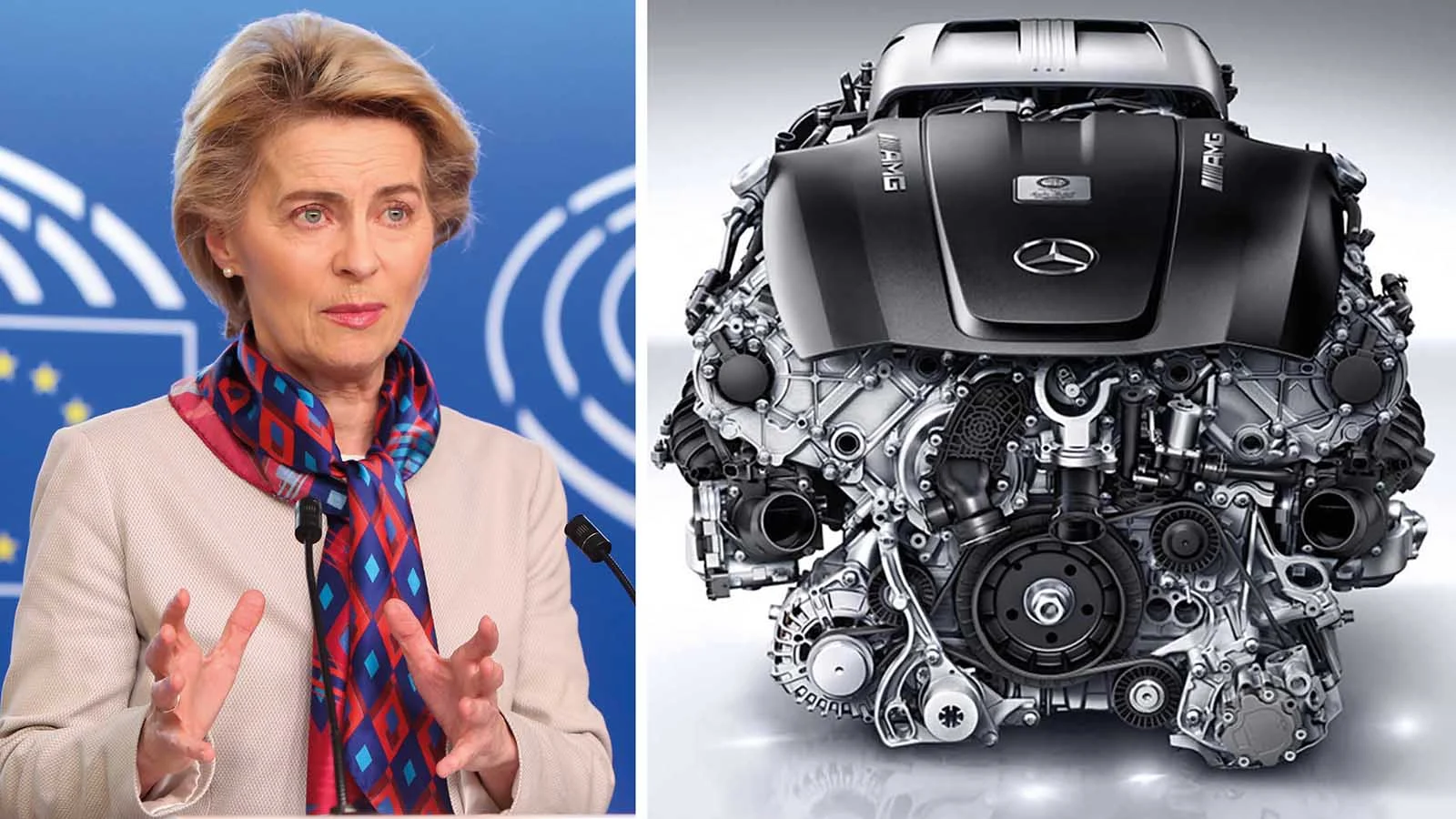
The European Parliament's new compromise paves the way for internal combustion engine vehicles after 2035. Photo: Carup
Emission reduction reduced from 100% to 95%, even 87.5%
In the new compromise, the requirement to reduce emissions is lowered to 95%. The car company also receives additional incentives if it uses green steel produced in the EU, then the actual reduction from the car can be only 87.5%. Previously, the European Commission proposed lowering from 100% to 90%, so the Parliament's version goes even further.
Because the regulations calculate the average of each brand's new car fleet, not each individual vehicle, gasoline and hybrid cars can still be in the product list as long as the company meets the overall target. However, it is not easy to sell gasoline cars, most new cars still have to have very low or zero emissions.
The German company is happy, Volvo is worried
- Volkswagen, BMW, Mercedes and many other companies have been in motion for a long time, because they are both being pressured by Chinese electric cars and reducing profits.
- Volvo Cars opposes, warning that Europe will fall even further behind China if it slows down the transition to electric vehicles.
- The new agreement is only for the party group negotiators, it must also be approved by the groups themselves, considered by the Parliament's transport and industry committee on October 22, then voted on and further negotiated with member countries.
I think that with the current situation of Chinese electric vehicles flooding into Europe, it is understandable that European companies ask for more time, but keeping the internal combustion engine longer could also slow them down in the electric vehicle segment.
Source: Carup, radioapparaten