GS Caltex cuts machine learning deployment time by automating model handoffs
Executive Briefing
“Energy and chemical enterprise GS Caltex has automated the handoff of machine learning...”
Key Takeaways
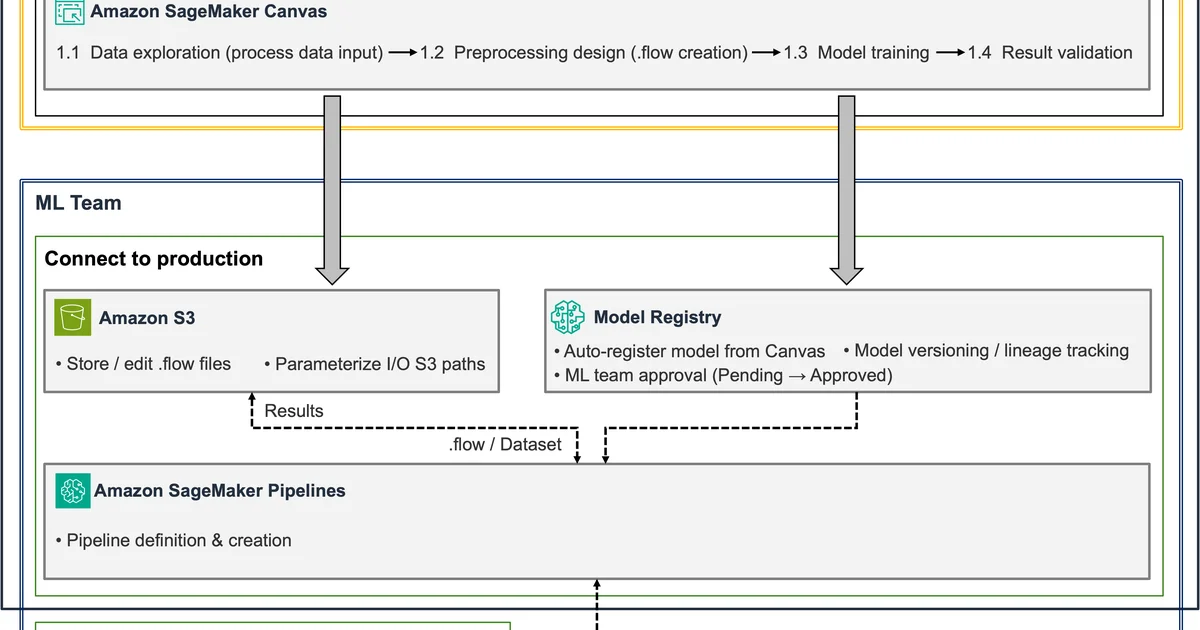
- 1.GS Caltex divides model development and operations between process engineers working in Amazon SageMaker Canvas and machine learning engineers configuring Amazon SageMaker Pipelines workflows.
- 2.Automating this handoff allows machine learning engineers to deploy models within a few hours, compared with about a week previously.
- 3.The system runs batch inference every 30 minutes, reducing the need for continuously running endpoints and lowering inference costs.
Energy and chemical enterprise GS Caltex has automated the handoff of machine learning models between process and machine learning engineers. This integration shortened model deployment times to a few hours from about a week previously.
Key Developments and Technical Context
GS Caltex divides model development and operations between process engineers working in Amazon SageMaker Canvas and machine learning engineers configuring Amazon SageMaker Pipelines workflows.
Automating this handoff allows machine learning engineers to deploy models within a few hours, compared with about a week previously.
The system runs batch inference every 30 minutes, reducing the need for continuously running endpoints and lowering inference costs.
Strategic Analysis and Industry Implications
Reusing validated data preprocessing flows and models from SageMaker Canvas removes repetitive manual integration steps, significantly easing the technical burden on operations teams.
Batch inference every 30 minutes instead of maintaining continuous online servers serves as an effective cost-optimization strategy for industrial operations that do not require sub-millisecond response times.
Outlook and Key Factors to Watch
Specific details on how Amazon Bedrock automates moving existing models onto this pipeline will be covered in the next part of the series.