AMD debuts Epyc 6 processor lineup optimized for AI agent workloads
Executive Briefing
“Advanced Micro Devices has introduced its new Epyc 6 server processor family built on the...”
Key Takeaways
- 1.The Epyc 6 series comprises 10 CPUs organized into two groups focusing on either a high core count or high clock speeds.
- 2.According to the company, Epyc 6 chips can support up to 3.3 more agents per watt than Nvidia's Vera CPU.
- 3.The new Zen 6 architecture is built on TSMC's two-nanometer node, delivering a 31% higher instructions per cycle when running AI workloads.
- 4.The two highest frequency chips feature a base speed of 4.05 gigahertz, can boost to 5.3 GHz, and pack 96 cores with a 384-megabyte cache.
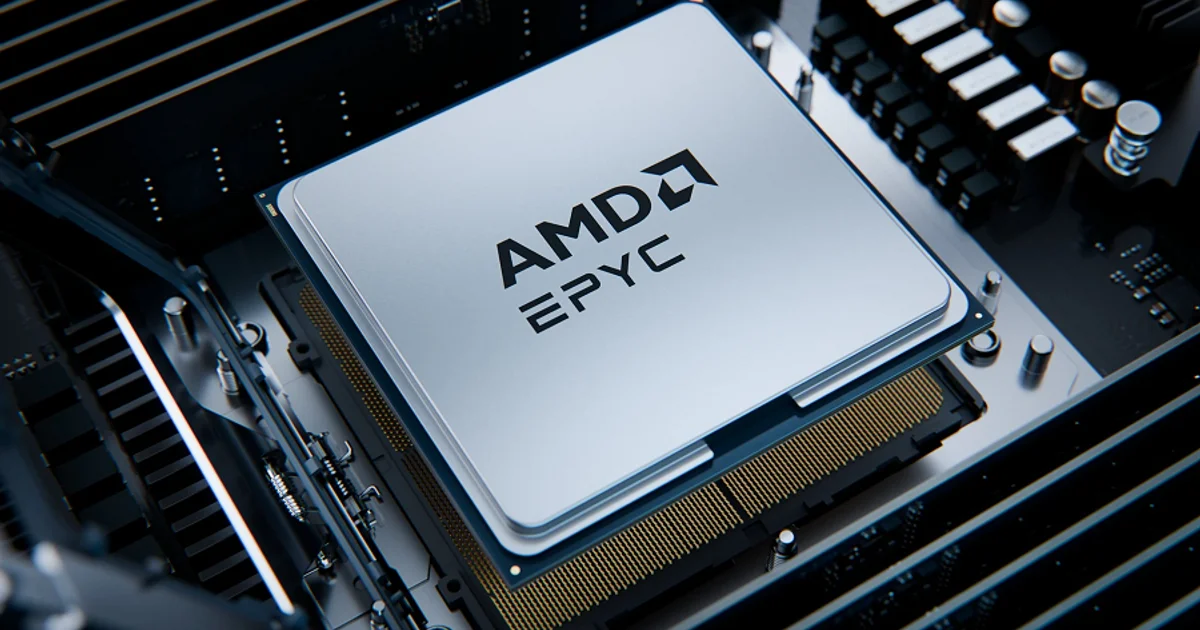
Advanced Micro Devices has introduced its new Epyc 6 server processor family built on the Zen 6 architecture to support artificial intelligence agent systems. The lineup features specialized core designs aimed at boosting compute density and energy efficiency.
Key Developments and Technical Context
The Epyc 6 series comprises 10 CPUs organized into two groups focusing on either a high core count or high clock speeds.
According to the company, Epyc 6 chips can support up to 3.3 more agents per watt than Nvidia's Vera CPU.
The new Zen 6 architecture is built on TSMC's two-nanometer node, delivering a 31% higher instructions per cycle when running AI workloads.
The two highest frequency chips feature a base speed of 4.05 gigahertz, can boost to 5.3 GHz, and pack 96 cores with a 384-megabyte cache.
Strategic Analysis and Industry Implications
Splitting the chip lineup into two distinct structural paths helps enterprises balance core-based software licensing costs with the demand for concurrent multi-threaded AI execution.
Integrating data formats like FP16 and VNNI-INT8 directly into hardware enables systems to compress processing data, thereby significantly reducing the hardware footprint for agents.
Outlook and Key Factors to Watch
The real-world performance and power draw of Epyc 6 variants in commercial data center environments outside manufacturer benchmarks remain unverified independently.
Detailed timelines for broad commercial availability and specific pricing schedules for each processor model have not been fully disclosed by the manufacturer.