Google launches TPU 8tx and TPU 8i Max to enhance confidential computing and memory bandwidth
Executive Briefing
“Google announced two new hardware systems in its eighth-generation TPU lineup on November...”
Key Takeaways
- 1.Google announced TPU 8tx and TPU 8i Max on November 9, 2026, via its official blog.
- 2.The TPU 8tx system incorporates hardware-level confidential computing, keeping sensitive data and AI model weights isolated even during processing.
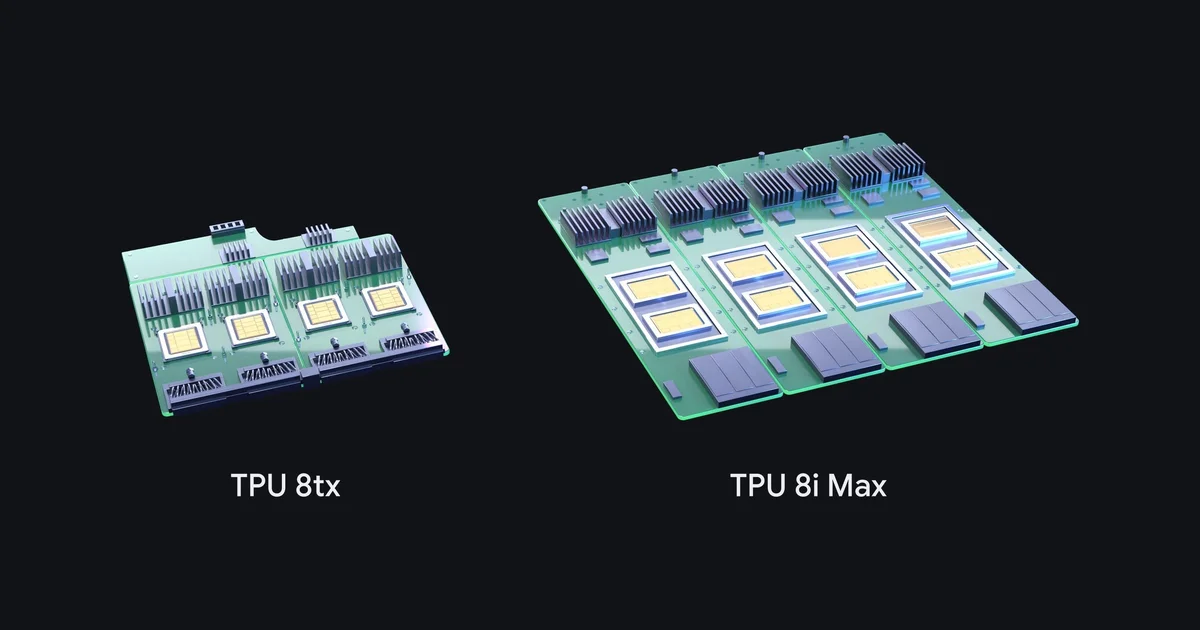
- 3.The TPU 8i Max design combines two TPU 8i chips into a single package, delivering double the compute capacity, on-chip SRAM memory, and high memory bandwidth.
Google announced two new hardware systems in its eighth-generation TPU lineup on November 9, 2026, focusing on confidential computing and overcoming memory bottlenecks for artificial intelligence workloads. These systems are designed to meet demanding enterprise and government requirements without developing entirely new silicon from scratch.
Key Developments and Technical Context
Google announced TPU 8tx and TPU 8i Max on November 9, 2026, via its official blog.
The TPU 8tx system incorporates hardware-level confidential computing, keeping sensitive data and AI model weights isolated even during processing.
The TPU 8i Max design combines two TPU 8i chips into a single package, delivering double the compute capacity, on-chip SRAM memory, and high memory bandwidth.
Strategic Analysis and Industry Implications
Combining existing hardware components rather than designing new chips allows Google to significantly shorten the time-to-market for systems tailored to specific customer needs.
Outlook and Key Factors to Watch
Google has not yet disclosed pricing, specific commercial release dates, or deployment regions for the TPU 8tx and TPU 8i Max systems.
All performance figures published by the company have not yet undergone independent third-party verification.