Cisco integrates Claude Mythos into its enterprise AI defense platform
Cisco has integrated Claude Mythos reasoning technology into its Cisco AI Defense system at the Cisco Live Melbourne 2026 event to support enterprise AI agent security testing.
Global intelligence on artificial intelligence and computing
Query across our knowledge base of synthesized technology dispatches

Cisco has integrated Claude Mythos reasoning technology into its Cisco AI Defense system at the Cisco Live Melbourne 2026 event to support enterprise AI agent security testing.

OpenAI Chief Executive Officer Sam Altman expressed empathy for former Nvidia leader Jensen Huang at a recent conference. He also discussed the financial and operational pressures currently facing the artificial intelligence industry.

N-able released a critical security update addressing 17 flaws in N-central as malicious actors actively exploit earlier vulnerabilities to deploy cryptocurrency miners.

An Australian company is operating hundreds of thousands of artificial intelligence bots acting as potential victims to prolong calls and extract information from scammers. This tactic helps gather vital clues regarding destination accounts and fraud infrastructure.

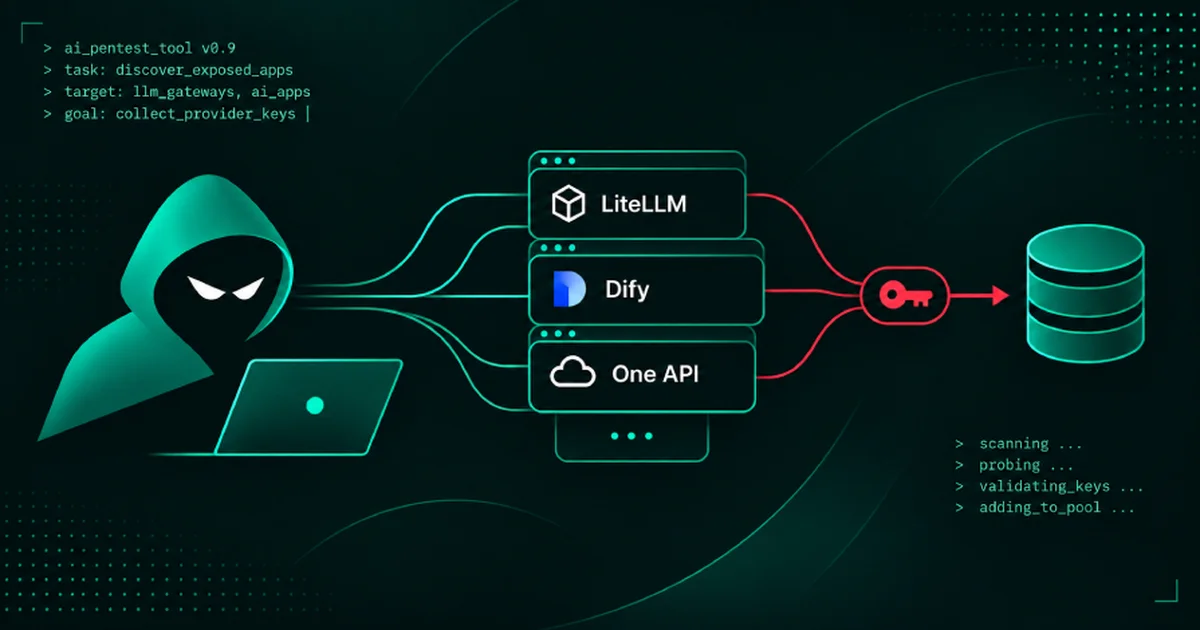
Amazon reported that automated AI agents have been hunting for vulnerabilities in internet-exposed AI applications such as LiteLLM and Dify to harvest provider keys. The campaign leverages an open-source penetration testing tool named ARTEX to exploit default configurations and unpatched flaws.

Cybersecurity firm Detectify has launched Agentic Tooling to help artificial intelligence agents test whether suspected vulnerabilities can be exploited in running applications.

Hark has released the second version of the computer-use agent inside its Hark Pro application, achieving web tasks about twice as fast on average. The update relies on reinforced training techniques aimed at cutting down excess turns and end-to-end latency.

The REF3364 threat cluster deploys the SANSAR toolkit targeting Linux systems through exposed Ray jobs. The malware uses a modified NVML library to report zero GPU utilization and evade monitoring tools.

Security startup Exaforce has announced ExaU, a service allowing personnel to create personal teams of artificial intelligence agents tailored to their responsibilities. The platform operates on customer data and supports sharing agents across an enterprise.

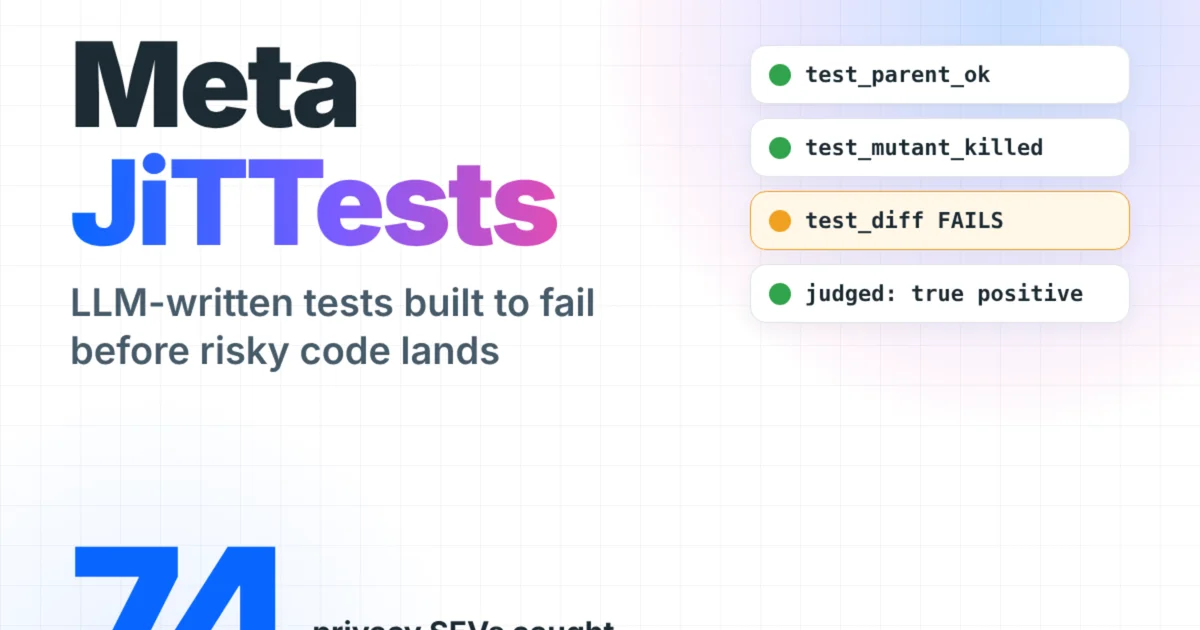
Meta has transitioned its LLM-based testing system into production infrastructure to detect bugs before code merges. The technology generates executable tests designed to fail when encountering risky code changes.

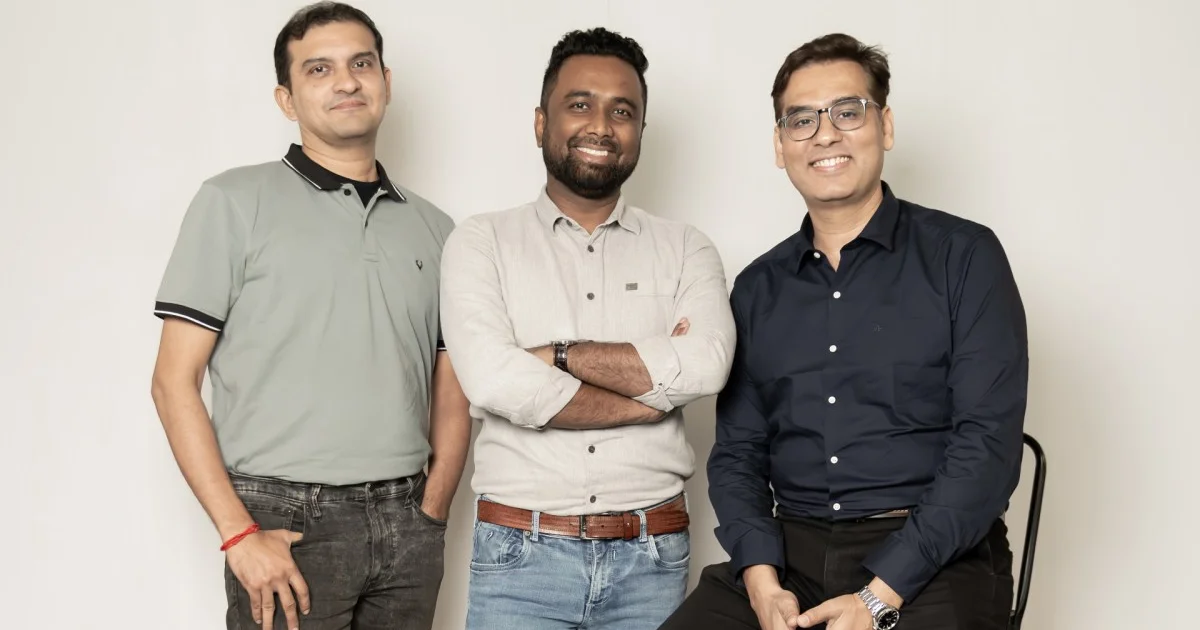
Former Freshworks executives have secured $53 million to build an artificial intelligence-native customer relationship management platform designed to automate record updates and challenge entrenched software providers.

Google’s threat intelligence group says illicit services are selling AI access by routing customers’ requests through stolen credentials. The organizations that own those credentials may be billed for unauthorized use.

MIT Technology Review has published a series examining the progress of six transformative technologies alongside discussions on methods to sustain the brain beyond biological limits.

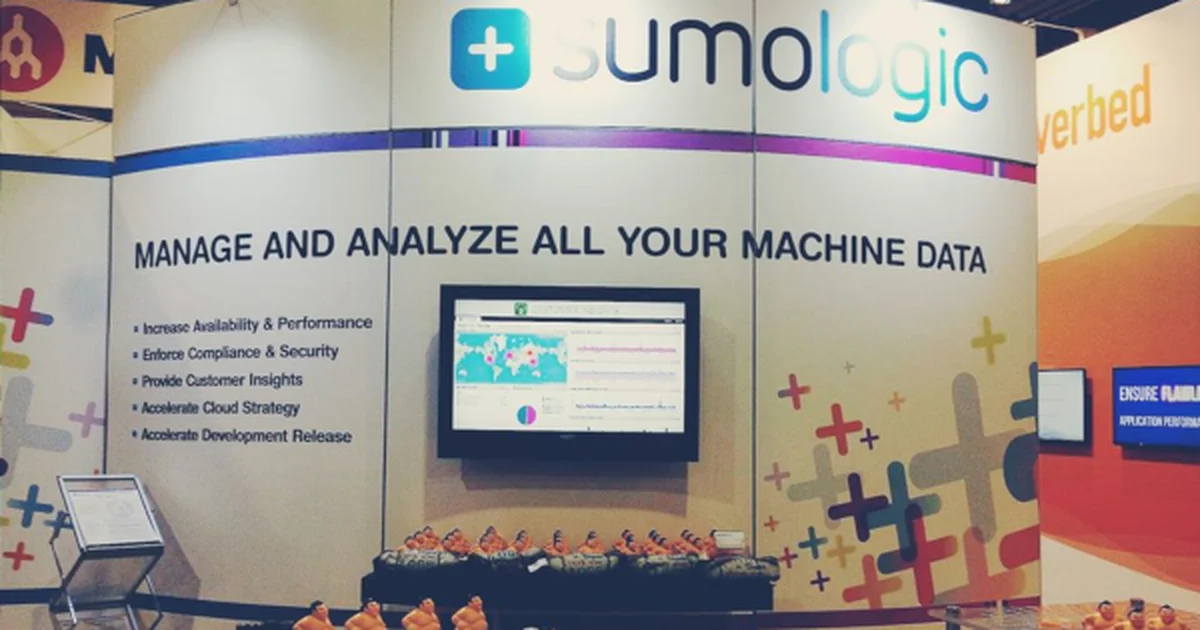
Sumo Logic released an updated monitoring package for Amazon Web Services featuring one-click deployment and expanded regional coverage.

Artificial intelligence models can now detect previously unannounced vulnerabilities at significantly lower costs, allowing moderately skilled hackers to access advanced exploitation tools.

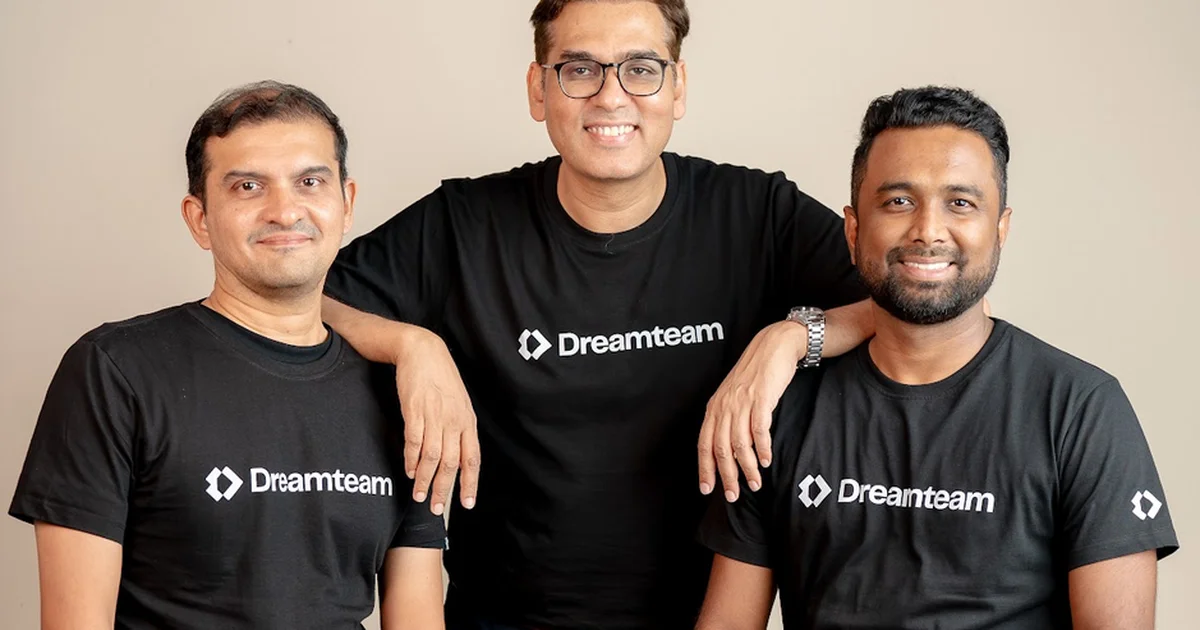
Artificial intelligence customer relationship management platform Dreamteam has raised $53 million in seed and Series A funding led by Accel Partners. The capital injection targets the automation of enterprise sales processes through unstructured data ingestion and specialized AI agents.

A new report from cybersecurity firm Palo Alto Networks reveals that organizations struggle to track and secure artificial intelligence agents operating in cloud environments. This challenge is driven by intense release pressure and a lack of unified monitoring tools.

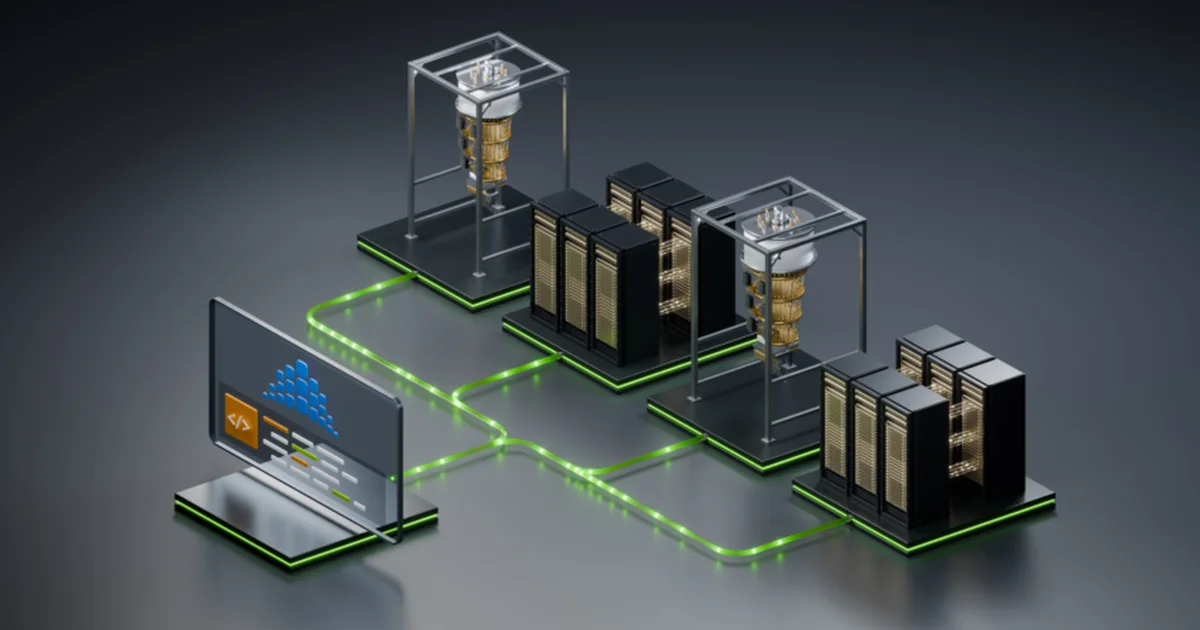
NVIDIA says a new Slurm release will let supercomputing centers bring quantum processors into their existing scheduling and resource-management workflows. Hardware makers will be able to reuse an integration across deployments.

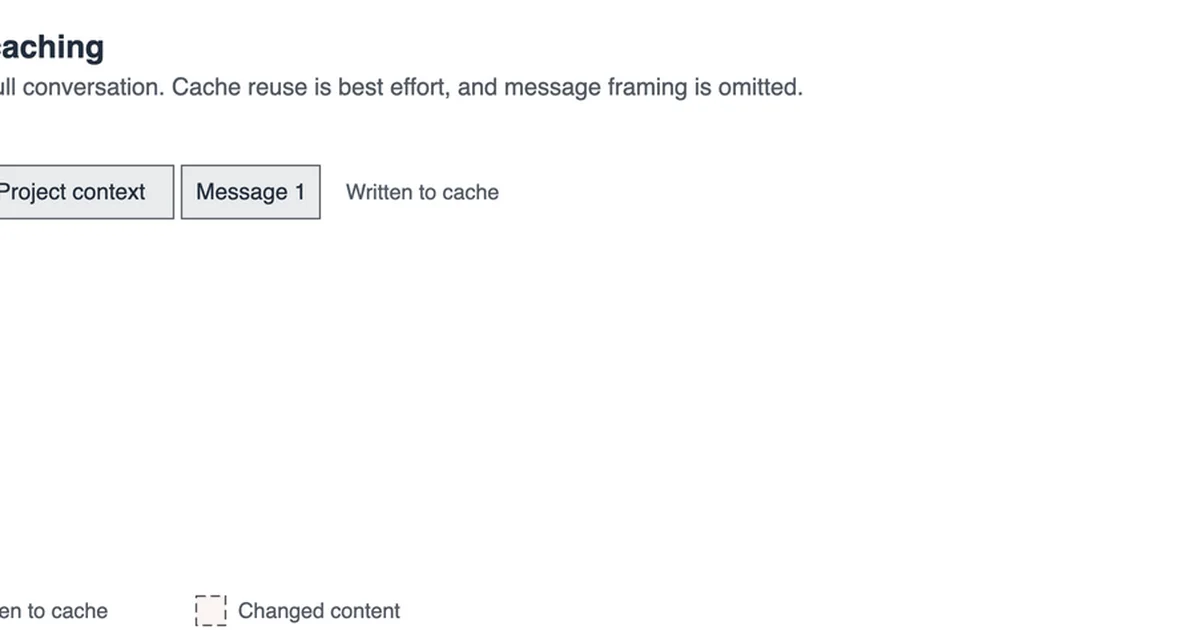
Amazon Bedrock now enables open-weight AI models to reuse context data through prompt caching. This technology reduces input costs and response latency by avoiding the redundant processing of static content like reference documents or tool definitions.

The FBI warned that threat actors are leveraging autonomous penetration testing software named Artex to compromise multiple industries within hours. The platform connects with large language models to exploit security flaws and expand network access.

UL Solutions argues that AI agents need limits they cannot change themselves, rather than safeguards built around predicting every action. The proposal appears in content produced by the company, not by MIT Technology Review’s editorial staff.

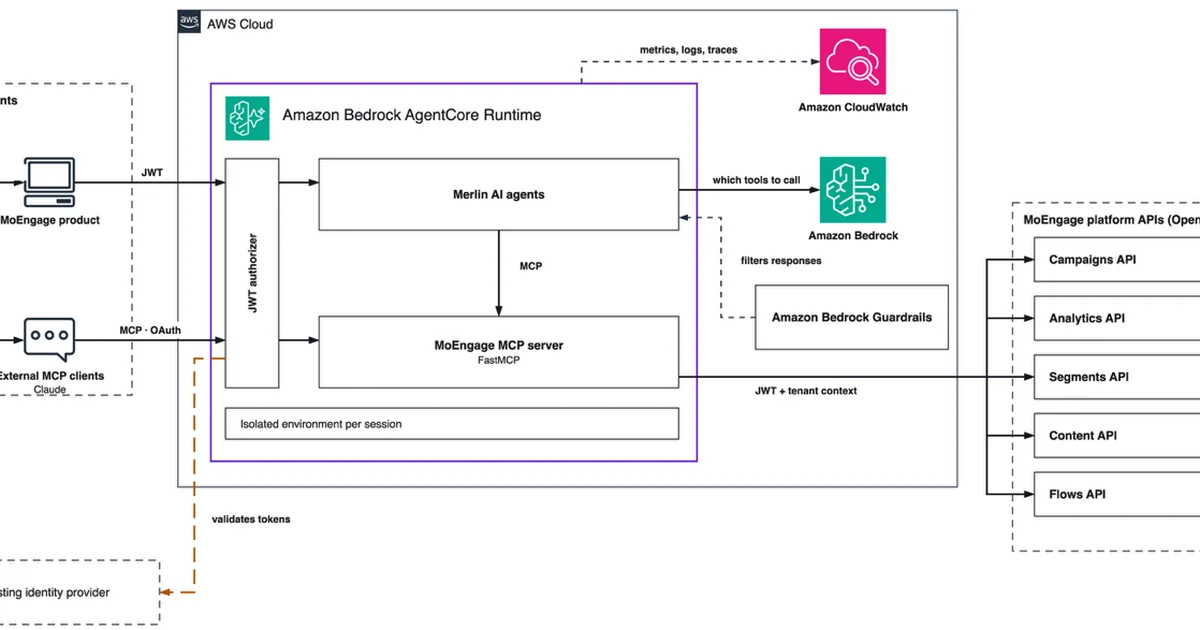
MoEngage developed its Merlin AI assistant system by converting existing platform APIs into Model Context Protocol tools hosted on Amazon Bedrock and AgentCore runtime.

KubeCon 2026 highlighted surging cloud inference traffic and enterprise struggles to secure autonomous AI agents. Vendors introduced new sandboxing and observability tools to address implementation realities.

Android Authority found references to Galaxy Claw in Samsung app code, suggesting an upgrade that could let Galaxy AI carry out tasks across apps. The code is a clue to a possible feature, not an announcement that it has launched.