Google warns illicit services sell access to enterprise AI through stolen credentials

Executive Briefing
“Google’s threat intelligence group says illicit services are selling AI access by routing...”
Key Takeaways
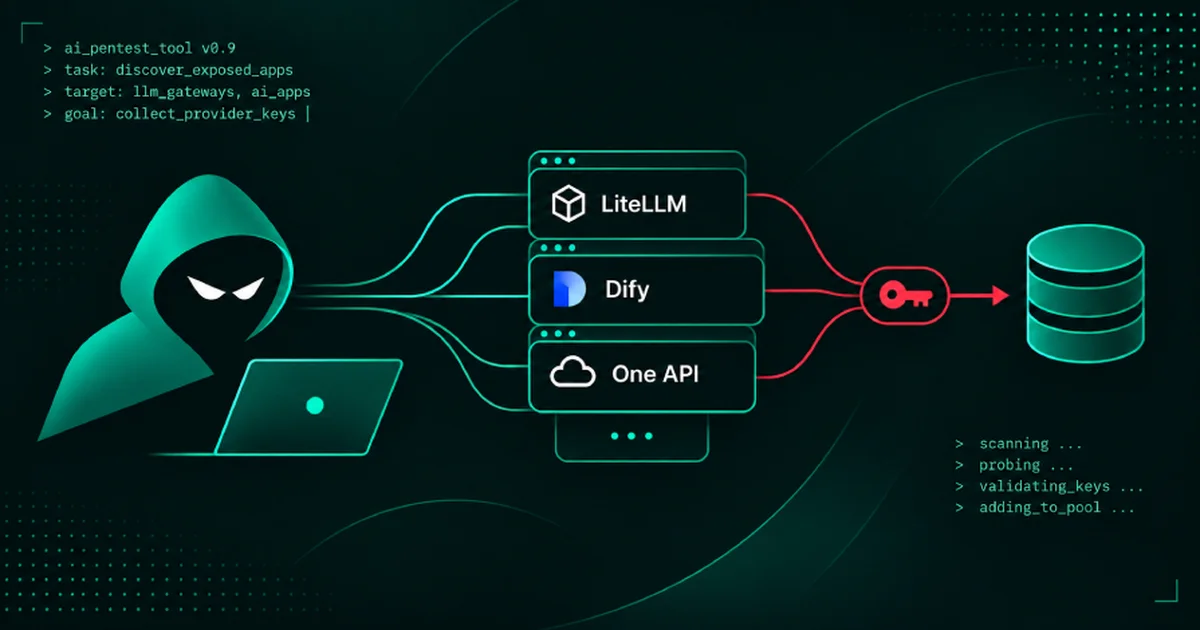
- 1.Google calls these services LLM Mixers. Its threat team says they route buyers’ requests through pools of stolen credentials and computing instances, spreading traffic across victims to make detection less likely.
- 2.After examining advertisements on Russian- and Chinese-language marketplaces, Google’s researchers found offers covering both advanced AI models and models marketed as having their safeguards bypassed. The article reports business-use token prices ranging from $0.10 to $25, depending on the offering.
- 3.According to Mandiant research cited in the article, some incidents of unauthorized AI use generated more than $100,000 in charges within 24 hours. Cumulative charges at some organizations reached $1 million before access was revoked.
- 4.The article recommends limiting token issuance and use, with alerts for sudden spikes. Google also recommends storing and rotating API keys with a secrets manager and auditing configurations and unmanaged accounts.
Google’s threat intelligence group says illicit services are selling AI access by routing customers’ requests through stolen credentials. The organizations that own those credentials may be billed for unauthorized use.
Key Developments and Technical Context
Google calls these services LLM Mixers. Its threat team says they route buyers’ requests through pools of stolen credentials and computing instances, spreading traffic across victims to make detection less likely.
After examining advertisements on Russian- and Chinese-language marketplaces, Google’s researchers found offers covering both advanced AI models and models marketed as having their safeguards bypassed. The article reports business-use token prices ranging from $0.10 to $25, depending on the offering.
According to Mandiant research cited in the article, some incidents of unauthorized AI use generated more than $100,000 in charges within 24 hours. Cumulative charges at some organizations reached $1 million before access was revoked.
The article recommends limiting token issuance and use, with alerts for sudden spikes. Google also recommends storing and rotating API keys with a secrets manager and auditing configurations and unmanaged accounts.
Strategic Analysis and Industry Implications
Routing requests through a pool of credentials makes a leaked API key more than an isolated account problem. A seller can add it to shared capacity and distribute activity in ways that are harder to spot.
Usage limits can contain charges, while alerts and key rotation can shorten the time unauthorized access remains useful. These measures address different stages of the same risk.
Outlook and Key Factors to Watch
The supplied evidence does not establish how many organizations have had their access routed through LLM Mixers.
It is unclear whether the costly incidents recorded by Mandiant involved LLM Mixers specifically or other forms of unauthorized AI use.