Attackers Exploit Check Point Gateways to Deploy Backdoors and Wipe ESXi Files
Executive Briefing
“Threat actors are exploiting unpatched vulnerabilities in Check Point security gateways to...”
Key Takeaways
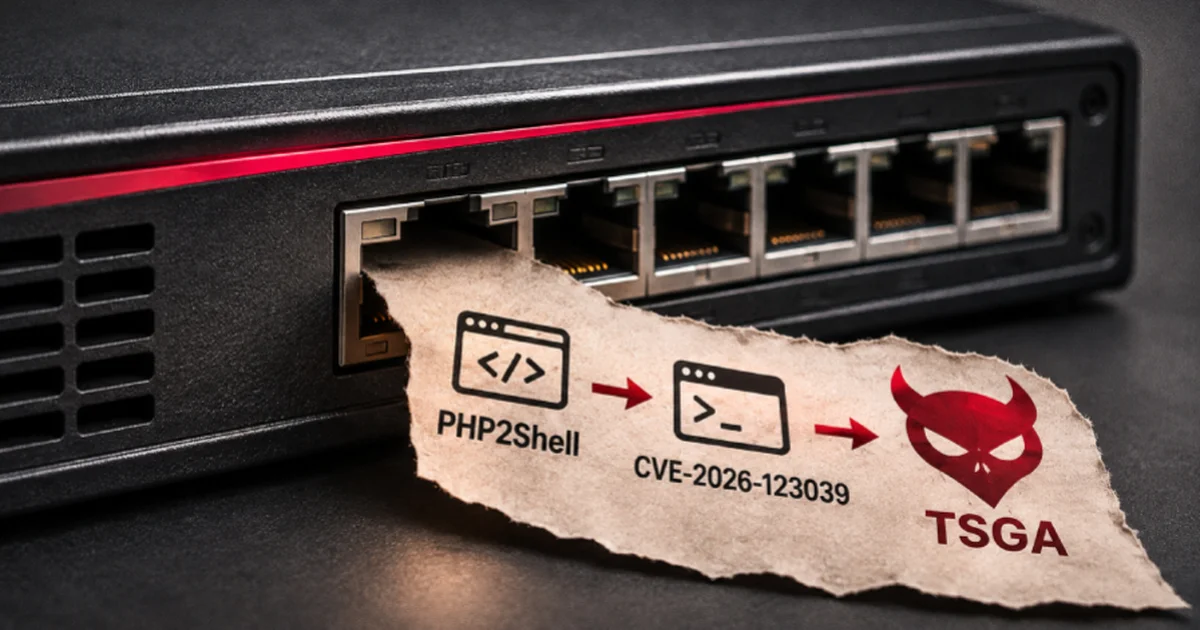
- 1.Attackers leveraged PHP2Shell vulnerabilities alongside a local privilege escalation flaw in Gaia OS tracked as CVE-2026-123039 to obtain initial access on unpatched security gateways.
- 2.The campaign began on October 30, 2026, targeting Israeli organizations, followed by a broader wave targeting multiple countries and sectors on November 2, 2026.
- 3.After compromising the gateway, the attackers deployed PHP web shells, the persistent TSGA backdoor, and the TSProxy networking component to maintain concealed access.
- 4.The attackers pivoted from the gateway to a VMware ESXi host over SSH, deployed the destroy_v6 wiper malware, and left politically themed note files.
Threat actors are exploiting unpatched vulnerabilities in Check Point security gateways to gain initial access, escalate privileges, and execute destructive data wiper campaigns targeting organizations globally.
Key Developments and Technical Context
Attackers leveraged PHP2Shell vulnerabilities alongside a local privilege escalation flaw in Gaia OS tracked as CVE-2026-123039 to obtain initial access on unpatched security gateways.
The campaign began on October 30, 2026, targeting Israeli organizations, followed by a broader wave targeting multiple countries and sectors on November 2, 2026.
After compromising the gateway, the attackers deployed PHP web shells, the persistent TSGA backdoor, and the TSProxy networking component to maintain concealed access.
The attackers pivoted from the gateway to a VMware ESXi host over SSH, deployed the destroy_v6 wiper malware, and left politically themed note files.
Strategic Analysis and Industry Implications
The combination of portal-based initial access flaws with local privilege escalation vulnerabilities demonstrates high sophistication in attack chains targeting corporate network edge appliances.
The simultaneous presence of network scanners, specialized backdoors, and destructive wipers indicates a potential shift by threat actors from espionage toward targeted destructive operations.
Outlook and Key Factors to Watch
Security researchers have yet to confirm the exact identity or true motive of the threat actor due to conflicting indicators between espionage artifacts and destructive smoke-screen behaviors.
The full scope of financial damages and actual data loss experienced by victim organizations has not been fully disclosed.