Why turning off an AI agent model fails to stop its underlying workflow
Executive Briefing
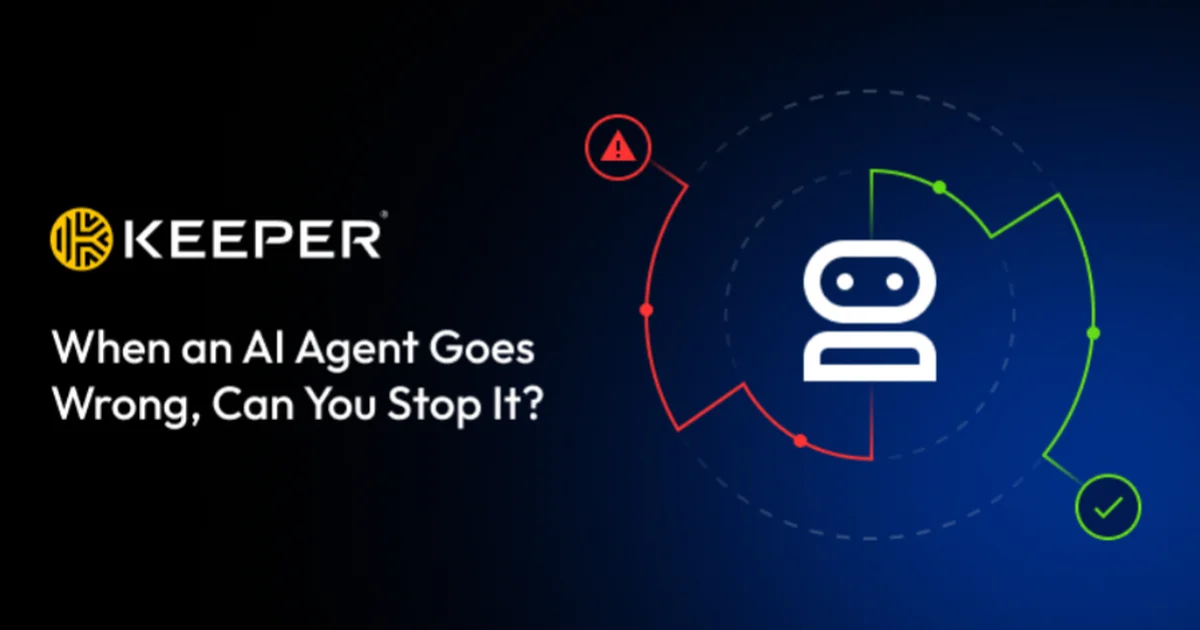
“Disabling an artificial intelligence model often fails to halt active workflows because...”
Key Takeaways
- 1.Pausing an artificial intelligence model may leave queued jobs, retries or established sessions running through separate infrastructure components.
- 2.Guidance from OWASP recommends least-privilege tool access, explicit authorization for sensitive operations, and mechanisms to interrupt or roll back agent operations.
- 3.Effective incident response requires organizations to identify workflow ownership, credential revocation methods, and logging systems before an incident occurs.
Disabling an artificial intelligence model often fails to halt active workflows because orchestrators, cached credentials and network connections can persist. Security guidance recommends treating containment as a coordinated set of controls spanning workflow suspension, token revocation and network restrictions.
Key Developments and Technical Context
Pausing an artificial intelligence model may leave queued jobs, retries or established sessions running through separate infrastructure components.
Guidance from OWASP recommends least-privilege tool access, explicit authorization for sensitive operations, and mechanisms to interrupt or roll back agent operations.
Effective incident response requires organizations to identify workflow ownership, credential revocation methods, and logging systems before an incident occurs.
Strategic Analysis and Industry Implications
Modern automated architectures decouple the reasoning model from execution orchestrators, rendering simple model shutdowns insufficient without synchronized network blocking and token revocation.
Outlook and Key Factors to Watch
The practical effectiveness of automated token revocation across complex multi-cloud enterprise architectures remains unquantified.