Meta releases Muse Ember matching Claude Haiku 5.5 capabilities at a fraction of the cost
Executive Briefing
“On November 9, 2026, Meta officially introduced Muse Ember, its smallest model yet,...”
Key Takeaways
- 1.Meta launched Muse Ember on November 9, 2026, as the smallest and most cost-effective model in the lineup.
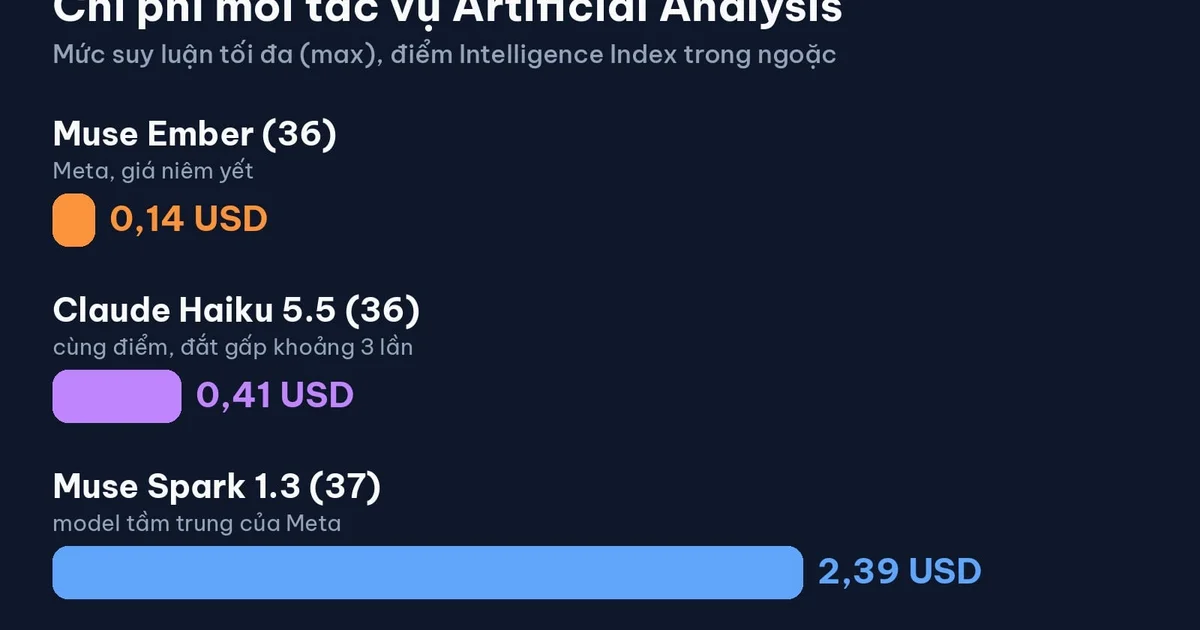
- 2.According to Meta citing Artificial Analysis data, Ember achieves a peak reasoning score of 36, matching Claude Haiku 5.5.
- 3.The model supports a one-million-token context window and handles multimodal inputs including text, images, audio, and video.
- 4.The base pricing is 0.10 USD per million input tokens for requests under 200,000 tokens, tripling when exceeding this threshold.
On November 9, 2026, Meta officially introduced Muse Ember, its smallest model yet, delivering performance matching Claude Haiku 5.5 on Artificial Analysis at one-third of the cost.
Key Developments and Technical Context
Meta launched Muse Ember on November 9, 2026, as the smallest and most cost-effective model in the lineup.
According to Meta citing Artificial Analysis data, Ember achieves a peak reasoning score of 36, matching Claude Haiku 5.5.
The model supports a one-million-token context window and handles multimodal inputs including text, images, audio, and video.
The base pricing is 0.10 USD per million input tokens for requests under 200,000 tokens, tripling when exceeding this threshold.
Strategic Analysis and Industry Implications
Meta's tiered token pricing structure requires developers to strictly manage context length to prevent unexpected cost surges.
Ember's debut reflects a broader industry shift toward optimizing operational costs for repetitive, large-scale automation tasks rather than chasing raw peak performance.
Outlook and Key Factors to Watch
The model's real-world performance in independent production environments beyond benchmark tests remains to be fully verified.