How China sustains its artificial intelligence race without top Nvidia chips
Executive Briefing
“Despite Washington trade restrictions, Chinese artificial intelligence firms continue...”
Key Takeaways
- 1.Washington banned exports of advanced GPU lines such as Blackwell and Rubin to China while permitting sales of the lesser H200 version under a condition claiming 25 percent of revenue.
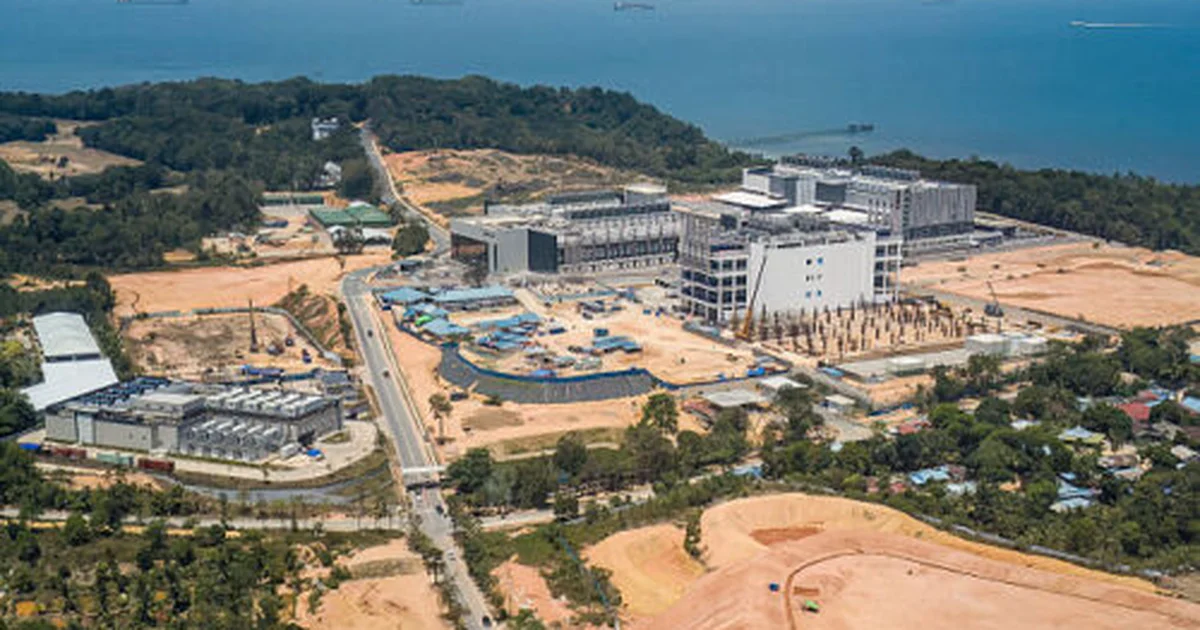
- 2.Artificial intelligence companies in China bypass restrictions by renting servers in Southeast Asian data centers or utilizing specialized hardware transported from abroad.
- 3.Huawei has emerged as Nvidia's leading domestic competitor in the Chinese market, with plans to launch its next-generation AI chip generation in the first quarter of 2027.
- 4.Deploying domestic processors requires larger quantities, increasing power consumption and engineering costs compared to advanced hardware from Nvidia.
Despite Washington trade restrictions, Chinese artificial intelligence firms continue accessing advanced graphics processors via overseas cloud services or by advancing domestic hardware alternatives. Analysts note that foreign hardware maintains a major speed advantage, but internal manufacturing capabilities are steadily progressing.
Key Developments and Technical Context
Washington banned exports of advanced GPU lines such as Blackwell and Rubin to China while permitting sales of the lesser H200 version under a condition claiming 25 percent of revenue.
Artificial intelligence companies in China bypass restrictions by renting servers in Southeast Asian data centers or utilizing specialized hardware transported from abroad.
Huawei has emerged as Nvidia's leading domestic competitor in the Chinese market, with plans to launch its next-generation AI chip generation in the first quarter of 2027.
Deploying domestic processors requires larger quantities, increasing power consumption and engineering costs compared to advanced hardware from Nvidia.
Strategic Analysis and Industry Implications
Cross-border cloud infrastructure access demonstrates that unilateral hardware export controls face substantial difficulties in completely blocking computational capabilities.
State subsidies and preferential electricity rates help Chinese firms partially offset the lower performance and higher operational costs of domestic chips.
Outlook and Key Factors to Watch
The actual efficiency and error rates of domestic Chinese chip generations during large-scale language model training remain unverified independently.
The exact scale of cross-border hardware shipments through third countries has not been confirmed by the involved parties.