AIINEWS

AIINEWS

Global intelligence on artificial intelligence and computing

How NVIDIA manages the lifecycle of GeForce graphics cards
AIINEWS Editorial Board•hardware
15 November, 2026•1 min read
How NVIDIA manages the lifecycle of GeForce graphics cards

Executive Briefing

“NVIDIA does not apply a fixed lifespan or a formal three-phase schedule to consumer GeForce...”

Key Takeaways

  • 1.Turing, Ampere, Ada, and Blackwell architectures remain on the normal Game Ready Driver track.
  • 2.Maxwell, Pascal, and Volta GPUs stopped receiving Game Ready updates in October 2025, but continue receiving security updates until October 2028.
  • 3.The final full Game Ready and Studio driver for Windows 10 will arrive in October 2026.

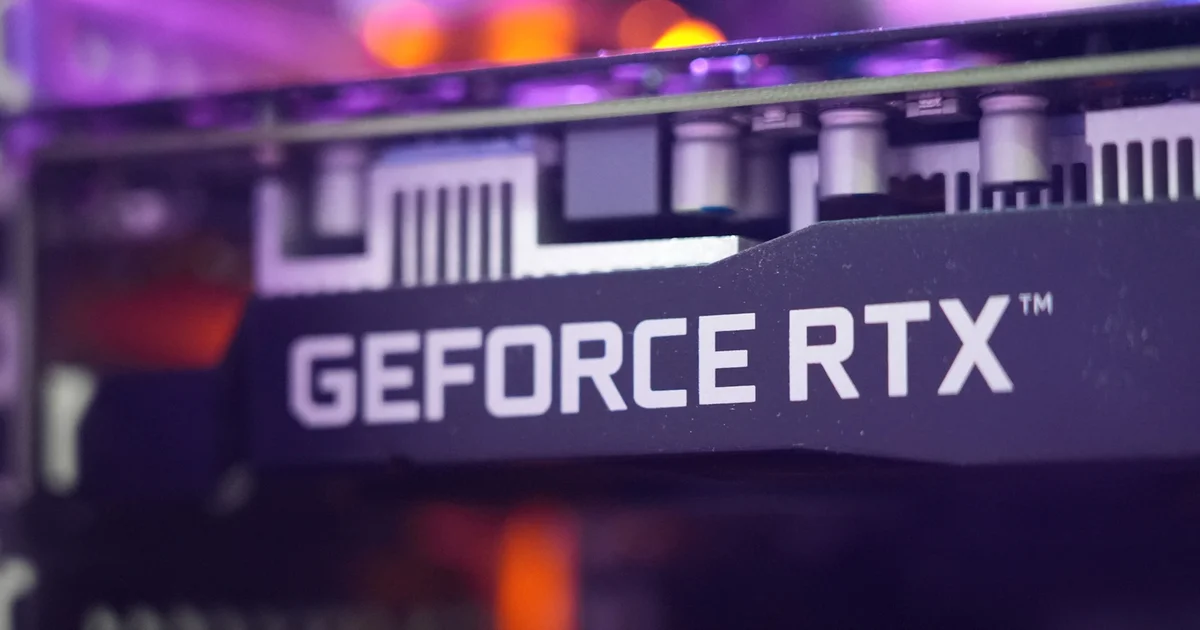
NVIDIA does not apply a fixed lifespan or a formal three-phase schedule to consumer GeForce graphics cards. Support durations depend primarily on chip architecture and operating system milestones.

Key Developments and Technical Context

Turing, Ampere, Ada, and Blackwell architectures remain on the normal Game Ready Driver track.

Maxwell, Pascal, and Volta GPUs stopped receiving Game Ready updates in October 2025, but continue receiving security updates until October 2028.

The final full Game Ready and Studio driver for Windows 10 will arrive in October 2026.

Strategic Analysis and Industry Implications

Separating feature-focused game optimizations from security patching extends the practical lifespan of older hardware without introducing major cybersecurity risks.

Operating system constraints such as the end of Windows 10 support can force newer hardware off the standard update track prematurely.

Outlook and Key Factors to Watch

The exact schedule and naming convention for the next GeForce architecture generation following Blackwell remain unannounced.

Content and editorial synthesis copyright by AIINEWS Editorial Board
Share this intelligence report:
Expanded Perspectives & Intelligence

Related Dispatches & Deep Dives

Curated 8 specialized reports
6 insights from the GSA Women’s Leadership Initiative: AI semiconductor industry trends turn the chip race into a systems race

6 insights from the GSA Women’s Leadership Initiative: AI semiconductor industry trends turn the chip race into a systems race

### 6 insights from the GSA Women’s Leadership Initiative: AI semiconductor industry trends turn the chip race into a systems race For decades, the semiconductor industry competed on one thing: the individual chip. One of the biggest AI semiconductor industry trends now under way is the shift toward treating chips as components of much larger systems. Performance, cost and reliability are now determined across the package, the rack and the supply chain, not inside a single die.

7 min read7,688
Chinese company CXMT is about to produce advanced AI memory chips

Chinese company CXMT is about to produce advanced AI memory chips

# Chinese company CXMT is about to produce advanced AI memory chips "Chinese semiconductor star" CXMT is said to be early in producing HBM3E, an advanced high-bandwidth memory chip used in AI processors, despite the low rate of finished products. *Reuters* quoted a close source as saying that CXMT has sent the HBM3E model to a number of domestic AI chip designers and is expected to begin production in limited quantities in the next two months. However, the rate of finished products, that is, the rate of shipped chips that meet specifications, is only about 20-30%, much lower than the 70% of memory chip company SK Hynix (Korea).

4 min read8,455

Explore AIINEWS Intelligence Vault

Over 2,000 in-depth dispatches structured across 18 specialized tech & AI categories.

Browse all 18 categories