NVIDIA announces Rubin HPC GPU with over 50,000 CUDA cores for scientific simulations
Executive Briefing
“NVIDIA has announced Rubin HPC, a GPU in its Vera Rubin platform designed for simulation...”
Key Takeaways
- 1.NVIDIA introduced Rubin HPC at SC26 as a new GPU in the Vera Rubin platform for simulation and data-processing workflows.
- 2.According to NVIDIA, each Rubin HPC GPU has more than 50,000 CUDA cores, a sparse-data acceleration capability and seventh-generation NVLink connectivity between GPUs.
- 3.NVIDIA says Rubin HPC is designed to scale data movement alongside compute capacity, rather than adding compute capacity alone for scientific workloads.
- 4.The company expects Rubin HPC to be available in 2028.
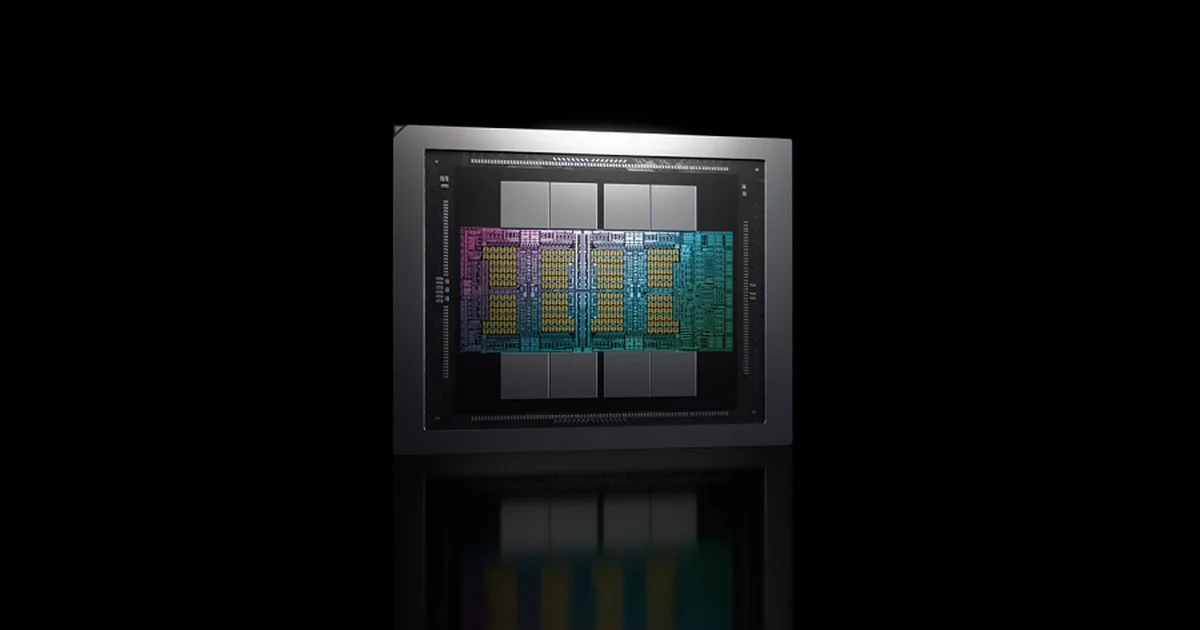
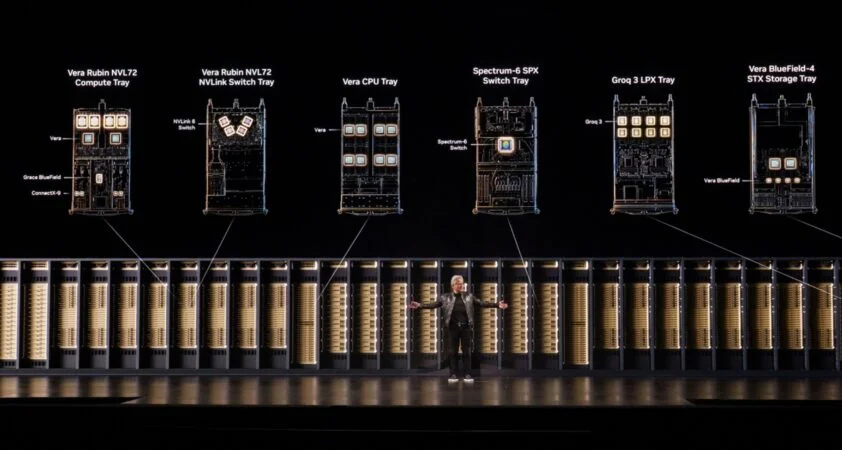
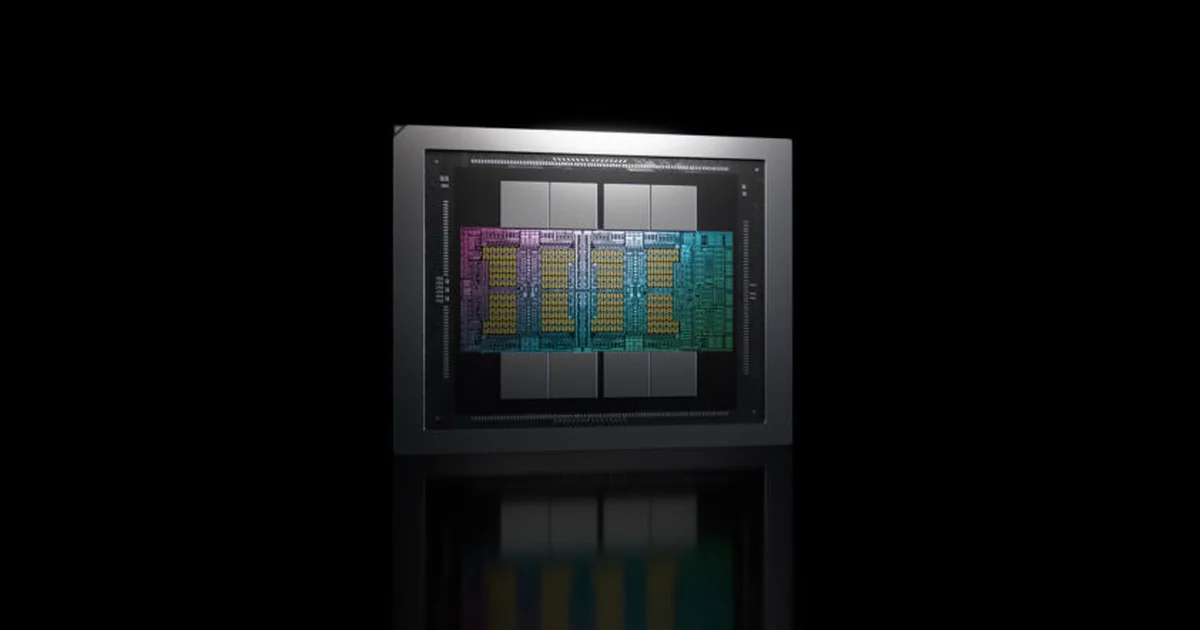
NVIDIA has announced Rubin HPC, a GPU in its Vera Rubin platform designed for simulation and data processing in science, engineering and analytics. The company expects it to become available in 2028.
Key Developments and Technical Context
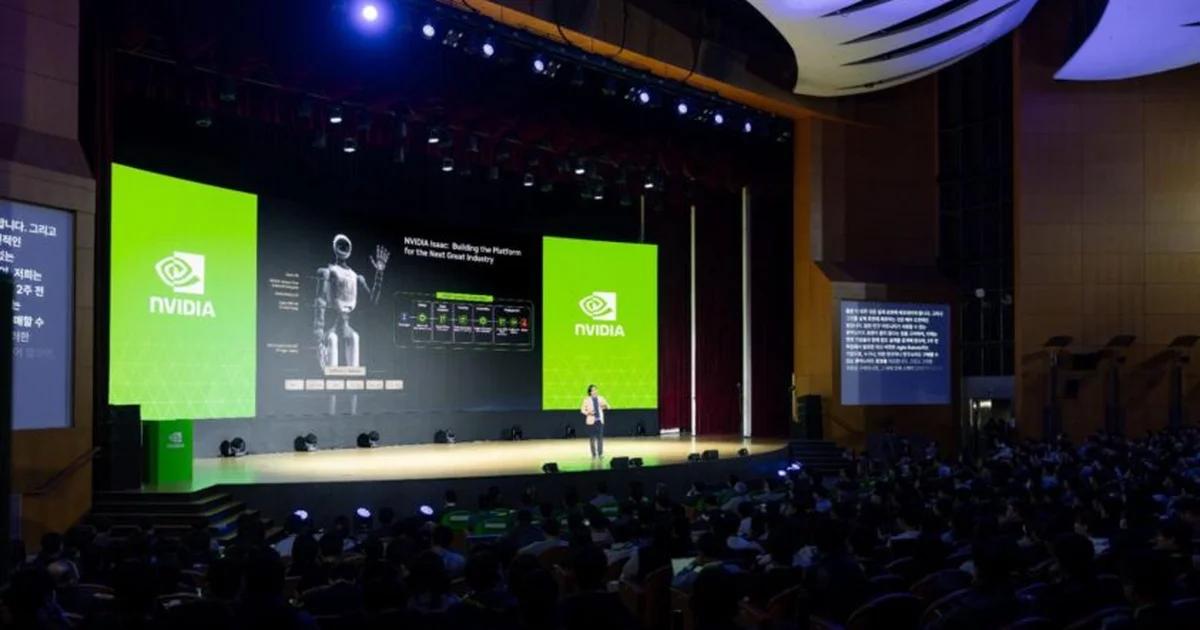
NVIDIA introduced Rubin HPC at SC26 as a new GPU in the Vera Rubin platform for simulation and data-processing workflows.
According to NVIDIA, each Rubin HPC GPU has more than 50,000 CUDA cores, a sparse-data acceleration capability and seventh-generation NVLink connectivity between GPUs.
NVIDIA says Rubin HPC is designed to scale data movement alongside compute capacity, rather than adding compute capacity alone for scientific workloads.
The company expects Rubin HPC to be available in 2028.
Strategic Analysis and Industry Implications
If AI agents help researchers generate more materials or designs to evaluate, the number of simulations they need to run may also rise. A GPU designed to keep its compute cores supplied with data could help, but the announcement does not quantify the practical improvement.
The emphasis on data movement as well as core count targets calculations that repeatedly fetch scattered values from large datasets. How much that approach helps will still depend on the application and system configuration.
Outlook and Key Factors to Watch
The announcement provides no performance measurements, power figures or comparisons with existing GPUs to assess gains across simulation types.
NVIDIA does not specify when in 2028 the GPU will become available, its price or the configurations of systems that will use it.