AIINEWS

AIINEWS

Global intelligence on artificial intelligence and computing

Nvidia confirms chip tracking feasibility to combat smuggling

AIINEWS Editorial Board•hardware
14 November, 2026•1 min read
Nvidia confirms chip tracking feasibility to combat smuggling

Executive Briefing

“Nvidia representatives stated that implementing anti-smuggling measures under the Chip...”

Key Takeaways

  • 1.Nvidia representatives told Representative Bill Foster that implementing the anti-smuggling measures in the Chip Security Act was possible.
  • 2.Representative Bill Foster, a cosponsor of the act, noted it would introduce geotracking requirements to verify advanced AI chip locations.
  • 3.This confirmation came despite an industry group previously claiming the measures were potentially infeasible.

Nvidia representatives stated that implementing anti-smuggling measures under the Chip Security Act is possible, contradicting prior claims from an industry group.

Key Developments and Technical Context

Nvidia representatives told Representative Bill Foster that implementing the anti-smuggling measures in the Chip Security Act was possible.

Representative Bill Foster, a cosponsor of the act, noted it would introduce geotracking requirements to verify advanced AI chip locations.

This confirmation came despite an industry group previously claiming the measures were potentially infeasible.

Strategic Analysis and Industry Implications

Implementing hardware-based tracking could transform global supply chain monitoring, though it raises complex questions regarding manufacturing costs and privacy.

Outlook and Key Factors to Watch

The specific technical mechanics of how Nvidia plans to execute the chip-tracking system remain undisclosed.
Content and editorial synthesis copyright by AIINEWS Editorial Board
Share this intelligence report:
Expanded Perspectives & Intelligence

Related Dispatches & Deep Dives

Curated 8 specialized reports
Fusion startup Helion is developing new semiconductors that could double output of its power plants

Fusion startup Helion is developing new semiconductors that could double output of its power plants

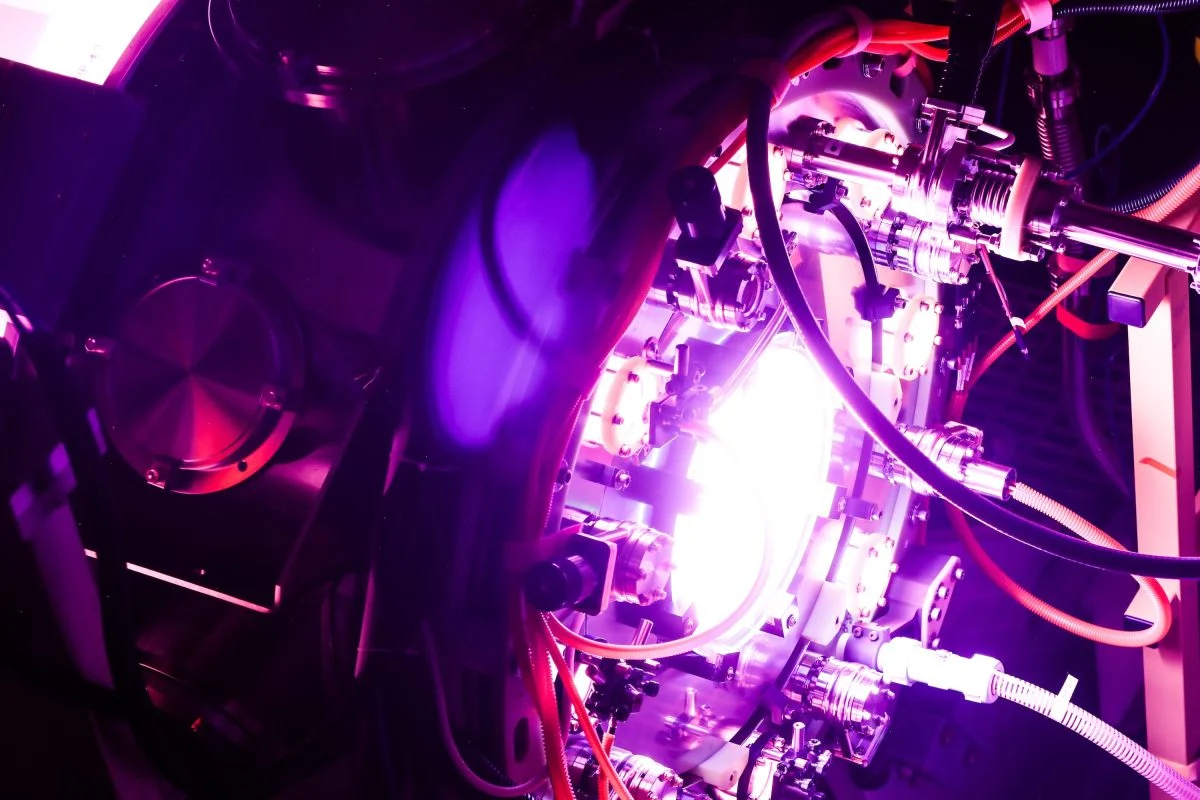
Fusion startup Helion has been awarded $175 million in federal funding to research, develop, and manufacture advanced semiconductors and power electronics for its fusion power plants, the company announced on Thursday. Currently, those devices lose about 5% to 10% of the electricity that flows through them. While those losses seem small, they can compound themselves in a complex system like Helion’s.

4 min read7,612
Chinese company CXMT is about to produce advanced AI memory chips

Chinese company CXMT is about to produce advanced AI memory chips

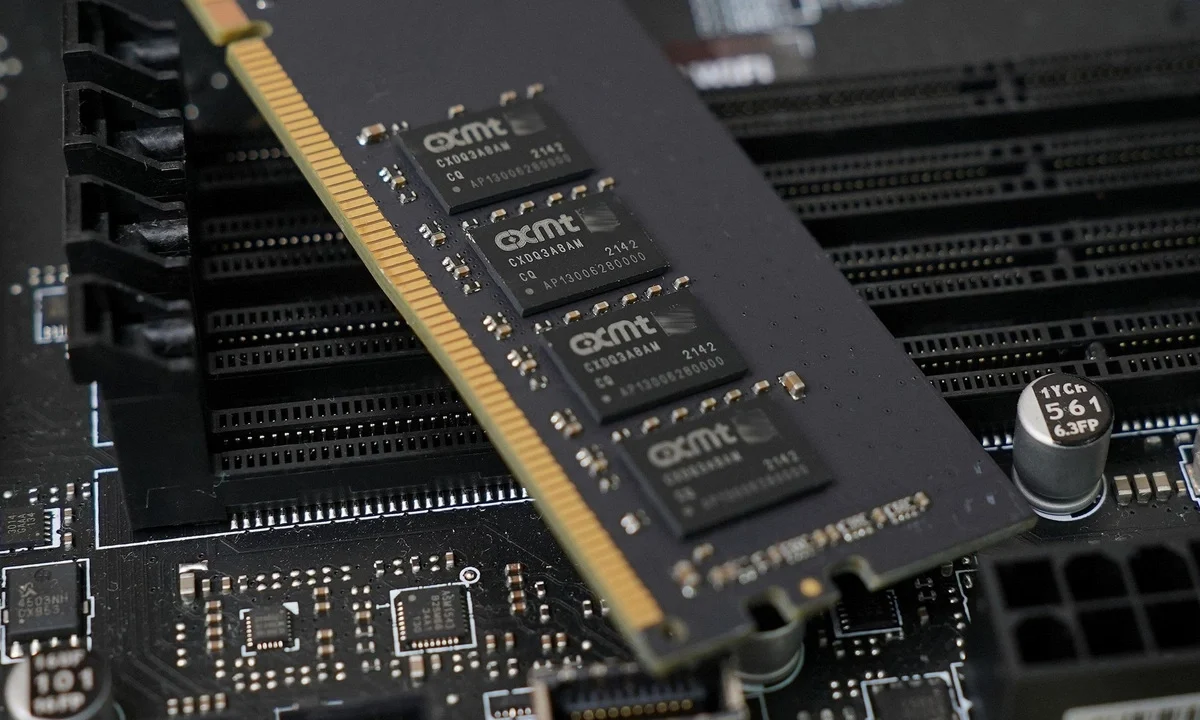
# Chinese company CXMT is about to produce advanced AI memory chips "Chinese semiconductor star" CXMT is said to be early in producing HBM3E, an advanced high-bandwidth memory chip used in AI processors, despite the low rate of finished products. *Reuters* quoted a close source as saying that CXMT has sent the HBM3E model to a number of domestic AI chip designers and is expected to begin production in limited quantities in the next two months. However, the rate of finished products, that is, the rate of shipped chips that meet specifications, is only about 20-30%, much lower than the 70% of memory chip company SK Hynix (Korea).

4 min read8,455
More Performance From Every Byte: How Full-Stack Codesign Solves AI’s Memory Challenge

More Performance From Every Byte: How Full-Stack Codesign Solves AI’s Memory Challenge

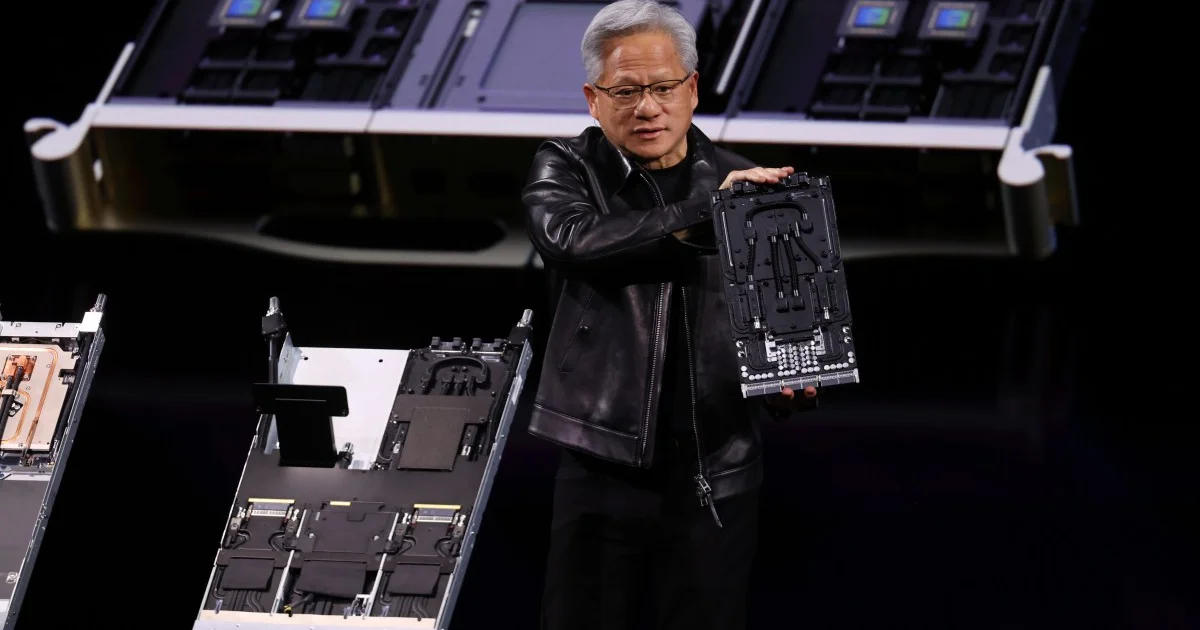
Larger models, longer contexts and agentic applications are increasing GPU memory pressure while supply tightens and prices rise — a trend expected to continue through the near term. NVIDIA works closely with memory partners to rapidly adopt the latest memory technologies. NVIDIA was first to adopt HBM3e and HBM4 technologies into an accelerated computing stack.

7 min read8,565

Explore AIINEWS Intelligence Vault

Over 2,000 in-depth dispatches structured across 18 specialized tech & AI categories.

Browse all 18 categories