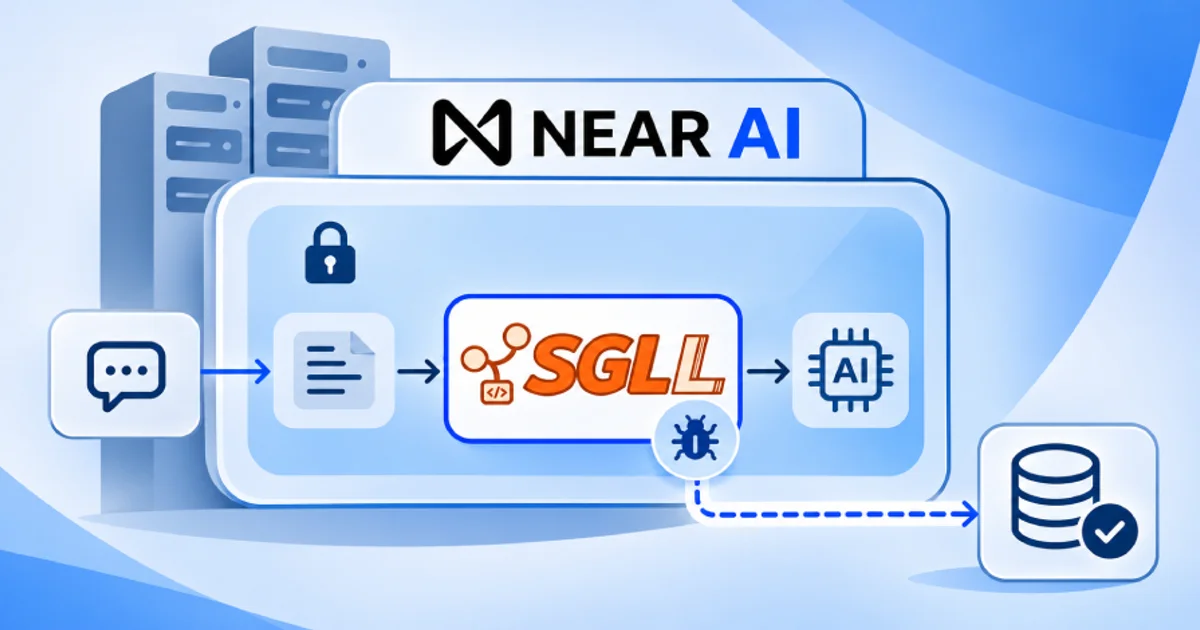
Google threat report details autonomous AI framework converting patches into exploits

Executive Briefing
“Google Threat Intelligence Group reported that attackers deployed a fully autonomous...”
Key Takeaways
- 1.Google Threat Intelligence Group discovered exploit_agent running on an exposed staging server and wired into multiple large language models.
- 2.The system continuously compares popular web application code before and after each patch announcement to automatically draft and execute exploits.
- 3.Victim telemetry indicated that the operator primarily targeted French websites tied to media, entertainment, and education.
Google Threat Intelligence Group reported that attackers deployed a fully autonomous artificial intelligence framework to turn security patches into working exploits without human intervention. The system continuously compares application code before and after patch disclosures to draft and execute attacks.
Key Developments and Technical Context
Google Threat Intelligence Group discovered exploit_agent running on an exposed staging server and wired into multiple large language models.
The system continuously compares popular web application code before and after each patch announcement to automatically draft and execute exploits.
Victim telemetry indicated that the operator primarily targeted French websites tied to media, entertainment, and education.
Strategic Analysis and Industry Implications
Automating the analysis of patched flaws allows threat actors to significantly narrow the window between vulnerability disclosures and active attacks.
Outlook and Key Factors to Watch
The specific identity or organization behind the operation of the exploit_agent framework on the exposed server remains unconfirmed.