SGLang remote code execution flaw breaches NEAR AI inference servers
Executive Briefing
“An attacker exploited a remote code execution vulnerability in the SGLang inference engine...”
Key Takeaways
- 1.An attacker exploited a remote code execution flaw in SGLang to run code on one of NEAR AI's inference servers last Sunday.
- 2.The breach allowed the attacker to reach account details for about 100 users and 18 AI agents running on an older deployment outside a trusted execution environment.
- 3.NEAR AI revoked all active sessions and administrator credentials, replaced agent tokens, and deployed a fix for the SGLang flaw on all inference servers.
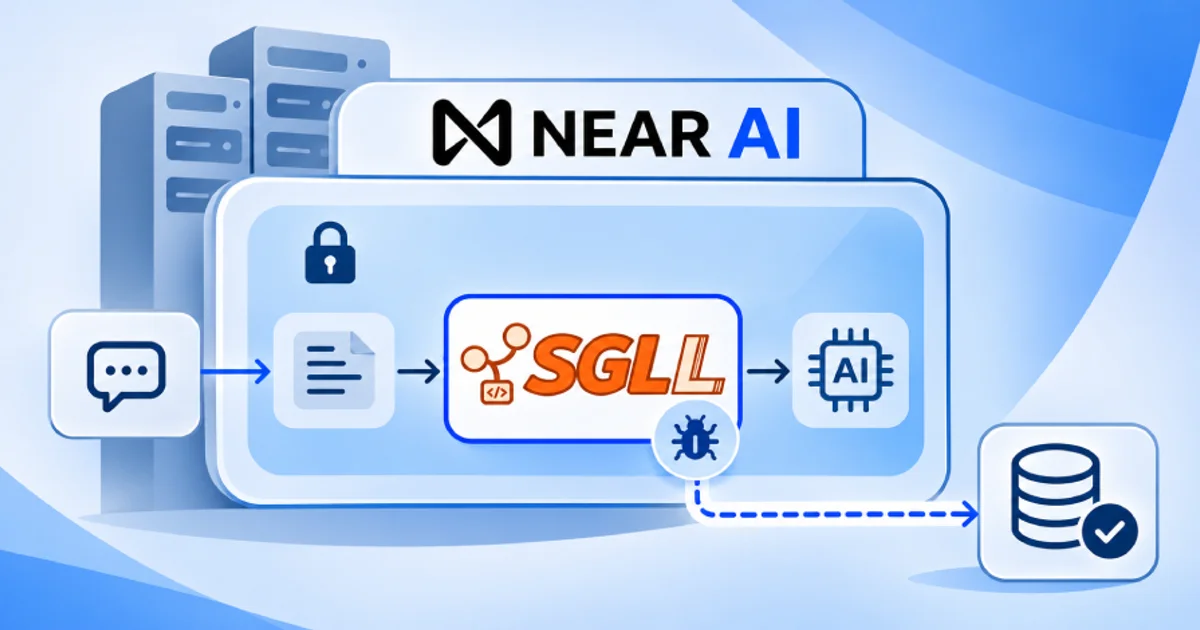
An attacker exploited a remote code execution vulnerability in the SGLang inference engine to breach a NEAR AI server and steal data from about one hundred users and eighteen AI agents.
Key Developments and Technical Context
An attacker exploited a remote code execution flaw in SGLang to run code on one of NEAR AI's inference servers last Sunday.
The breach allowed the attacker to reach account details for about 100 users and 18 AI agents running on an older deployment outside a trusted execution environment.
NEAR AI revoked all active sessions and administrator credentials, replaced agent tokens, and deployed a fix for the SGLang flaw on all inference servers.
Strategic Analysis and Industry Implications
The incident illustrates the security boundaries of trusted execution environments when application software layers running inside them contain severe vulnerabilities.
Outlook and Key Factors to Watch
NEAR AI has not identified the flaw by a CVE number, named affected SGLang versions, or specified whether the open-source project has released a fix.