AWS releases curated open source asset catalog to accelerate generative AI development
Executive Briefing
“Amazon Web Services has introduced a curated catalog of 23 open source assets designed to...”
Key Takeaways
- 1.The catalog from AWS Frontier AI Engineering & Services comprises 23 production-grade open source assets.
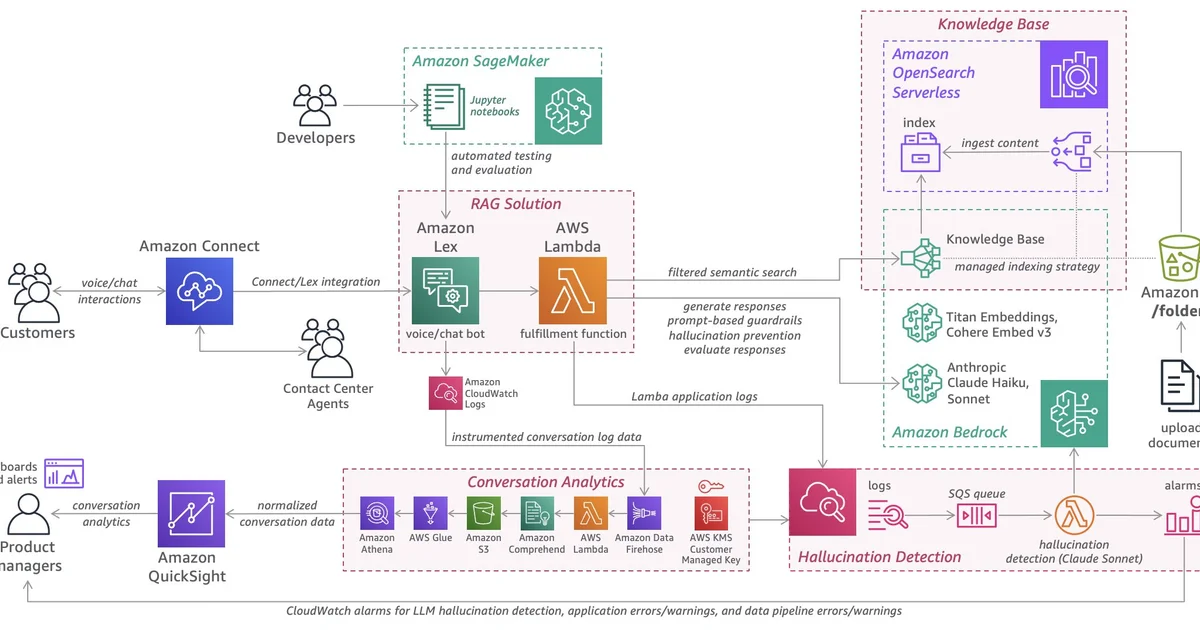
- 2.DoorDash deployed a voice-operated contact center solution handling over 100,000 calls daily with a 2.5-second response latency.
- 3.Ricoh achieved a sevenfold increase in document throughput, scaling from 10,000 to 70,000 documents monthly using the intelligent document processing accelerator.
Amazon Web Services has introduced a curated catalog of 23 open source assets designed to help engineering teams compress generative AI development timelines from months to weeks. The initiative aims to eliminate redundant building of foundational components like retrieval-augmented generation pipelines and document processors.
Key Developments and Technical Context
The catalog from AWS Frontier AI Engineering & Services comprises 23 production-grade open source assets.
DoorDash deployed a voice-operated contact center solution handling over 100,000 calls daily with a 2.5-second response latency.
Ricoh achieved a sevenfold increase in document throughput, scaling from 10,000 to 70,000 documents monthly using the intelligent document processing accelerator.
Strategic Analysis and Industry Implications
Providing security-reviewed building blocks significantly reduces initial heavy lifting, enabling engineers to focus directly on core business logic and domain customization.
Supplying open source code accompanied by infrastructure-as-code deployment guides allows organizations to standardize operational workflows and maintain quality control from day one.
Outlook and Key Factors to Watch
The practical efficacy and compatibility of these 23 assets when deployed within infrastructure architectures outside of the Amazon cloud ecosystem remain unverified.
The long-term maintenance costs and code update roadmaps for individual components as large language models continuously evolve have not been detailed.