Cisco integrates Claude Mythos into its enterprise AI defense platform
Cisco has integrated Claude Mythos reasoning technology into its Cisco AI Defense system at the Cisco Live Melbourne 2026 event to support enterprise AI agent security testing.
Global intelligence on artificial intelligence and computing
Query across our knowledge base of synthesized technology dispatches

Cisco has integrated Claude Mythos reasoning technology into its Cisco AI Defense system at the Cisco Live Melbourne 2026 event to support enterprise AI agent security testing.

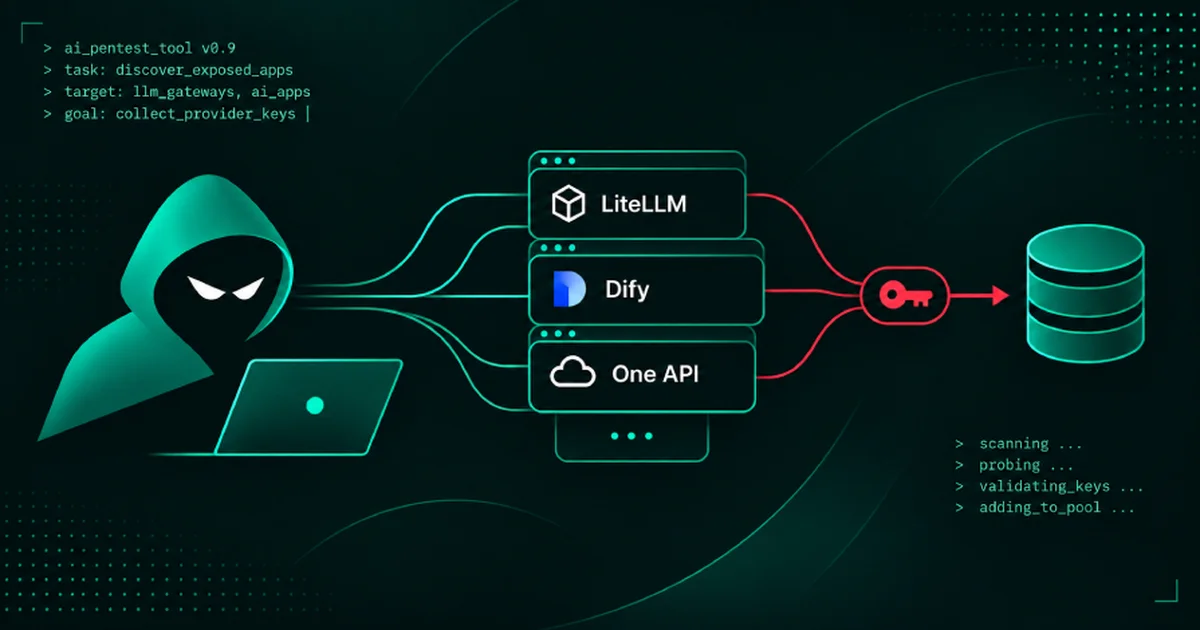
Amazon reported that automated AI agents have been hunting for vulnerabilities in internet-exposed AI applications such as LiteLLM and Dify to harvest provider keys. The campaign leverages an open-source penetration testing tool named ARTEX to exploit default configurations and unpatched flaws.

Hark has released the second version of the computer-use agent inside its Hark Pro application, achieving web tasks about twice as fast on average. The update relies on reinforced training techniques aimed at cutting down excess turns and end-to-end latency.

Sumo Logic released an updated monitoring package for Amazon Web Services featuring one-click deployment and expanded regional coverage.

Artificial intelligence models can now detect previously unannounced vulnerabilities at significantly lower costs, allowing moderately skilled hackers to access advanced exploitation tools.

The FBI warned that threat actors are leveraging autonomous penetration testing software named Artex to compromise multiple industries within hours. The platform connects with large language models to exploit security flaws and expand network access.

Apple is testing daily usage limits for complex virtual assistant artificial intelligence tasks in new operating system updates. Users may need to upgrade their cloud storage plans to avoid interruptions to advanced features.

AMD has announced its Zen 6-based EPYC Embedded 9006 processors for chip-testing equipment, enterprise storage and network firewalls. AMD says the chips offer configurations of up to 256 cores in one socket.

Microsoft published a patent application detailing a method to mobilize idle processing power from consumer graphics cards to support artificial intelligence tasks and reward users. However, the documentation only describes a technical concept and has not established a commercial release timeline.

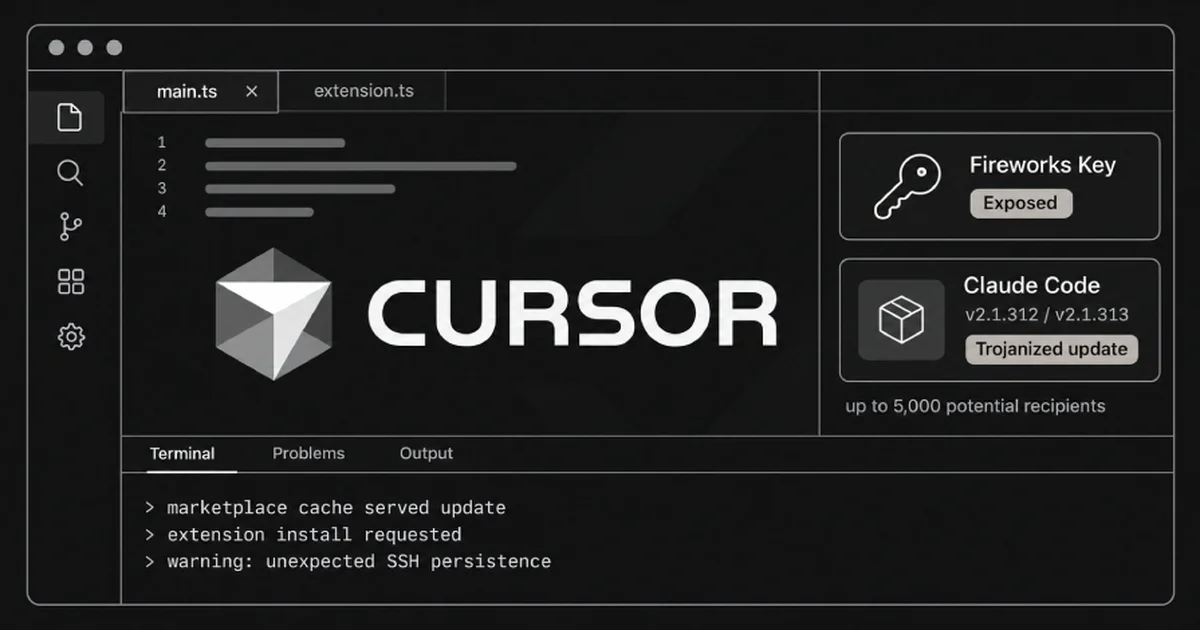
The security compromise at coding platform Cursor originated from an access key leaked by third-party vendor Fireworks AI, enabling attackers to distribute a malicious version of the Claude Code extension.

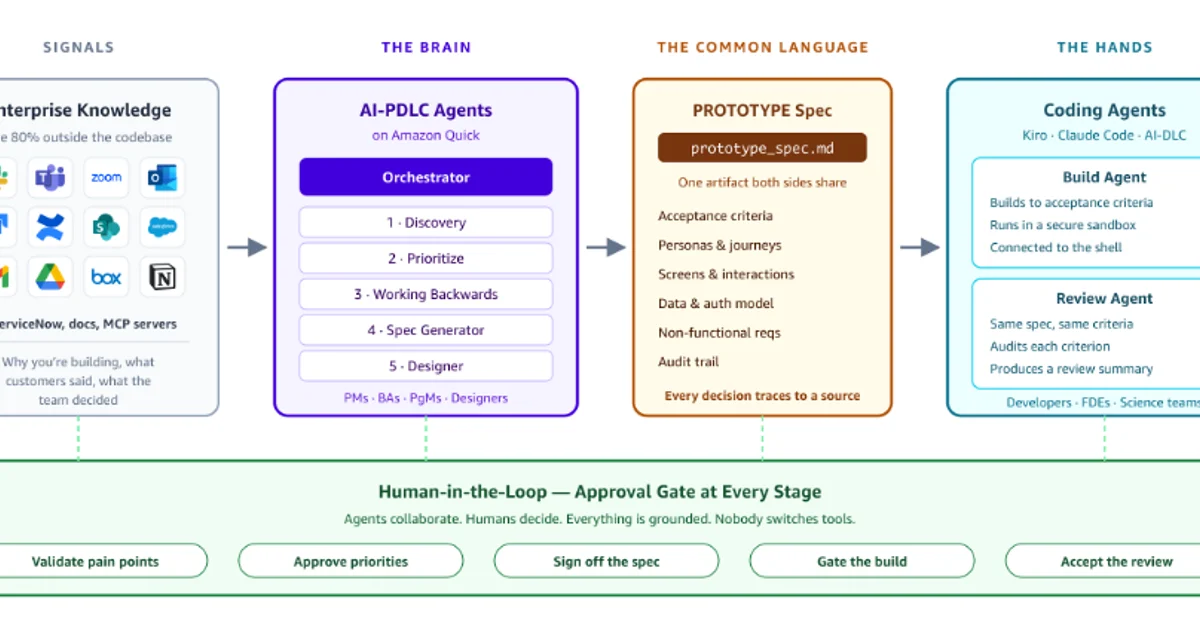
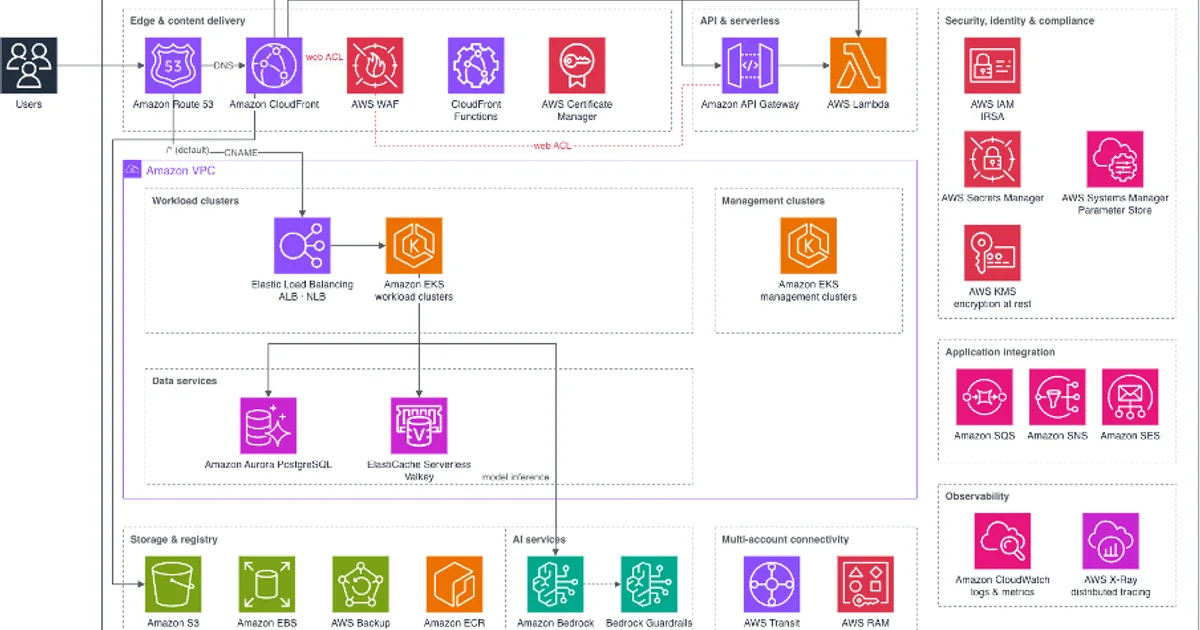
Amazon Web Services has introduced an AI-driven product development lifecycle framework built on AWS Quick to streamline upstream software engineering tasks. The solution connects fragmented enterprise data and employs automated agents to help product teams make more rigorous decisions.

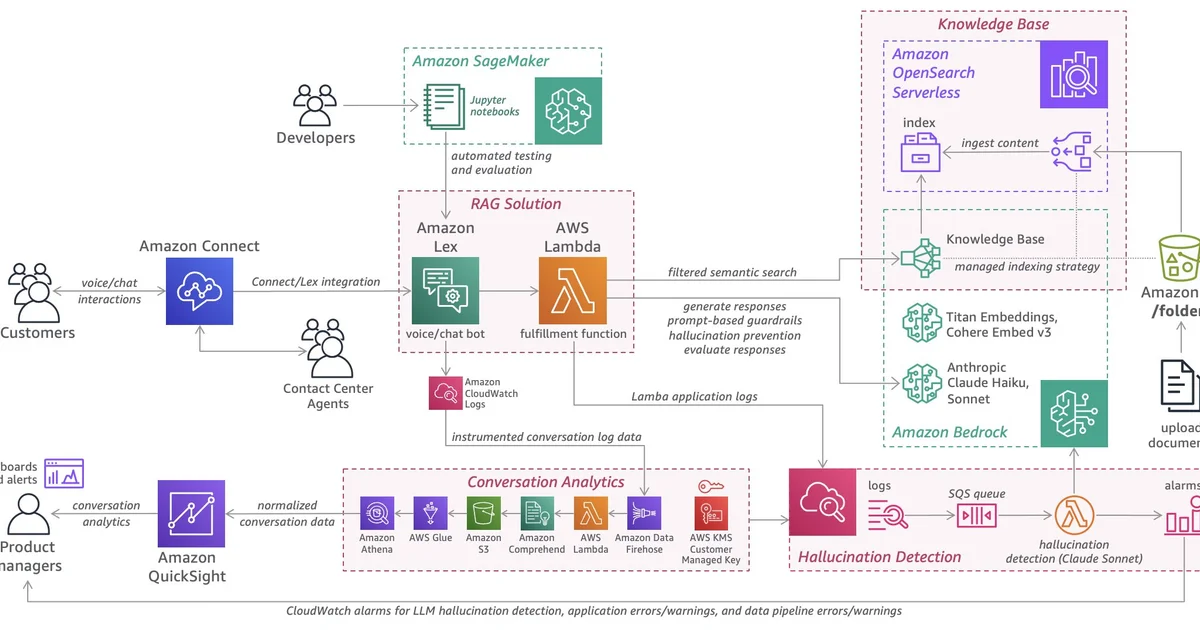
DXC Technology developed an automated IT operations assistant named DXC OASIS using Amazon Bedrock as its underlying substrate. This architecture reduced average resolution time by 95 percent across dozens of measured use cases.

Amazon Web Services has introduced a curated catalog of 23 open source assets designed to help engineering teams compress generative AI development timelines from months to weeks. The initiative aims to eliminate redundant building of foundational components like retrieval-augmented generation pipelines and document processors.

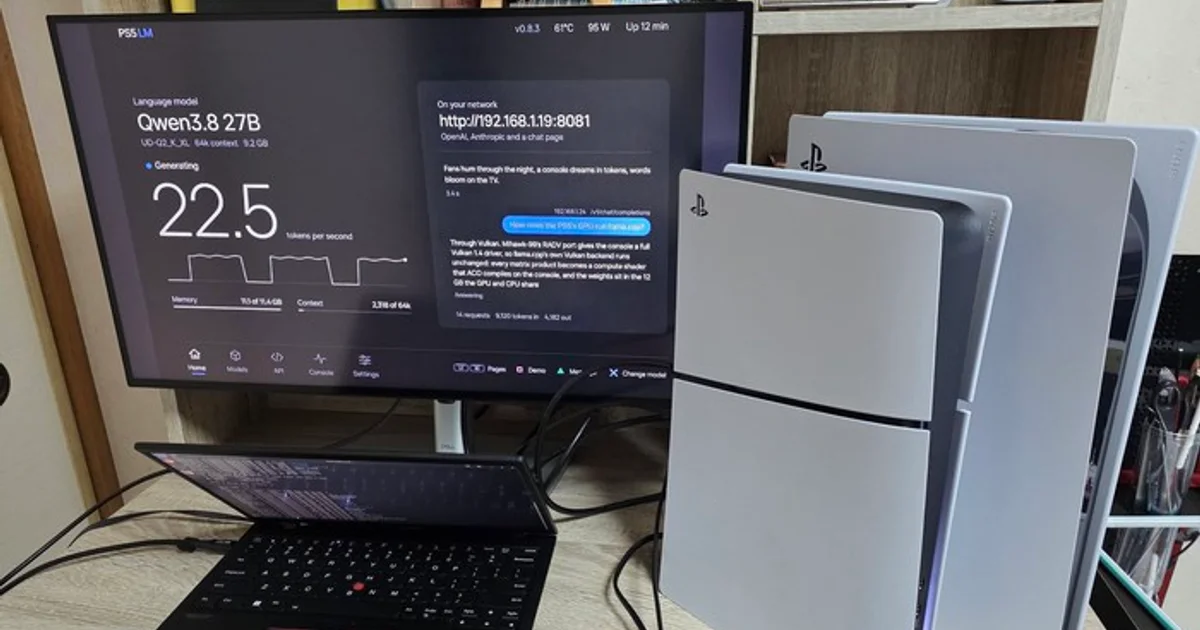
A technology user in Vietnam has successfully tested a method to jailbreak a PlayStation 5 console to install Linux and run local large language models. This initiative leverages the device's high memory bandwidth to handle artificial intelligence tasks at an affordable cost.

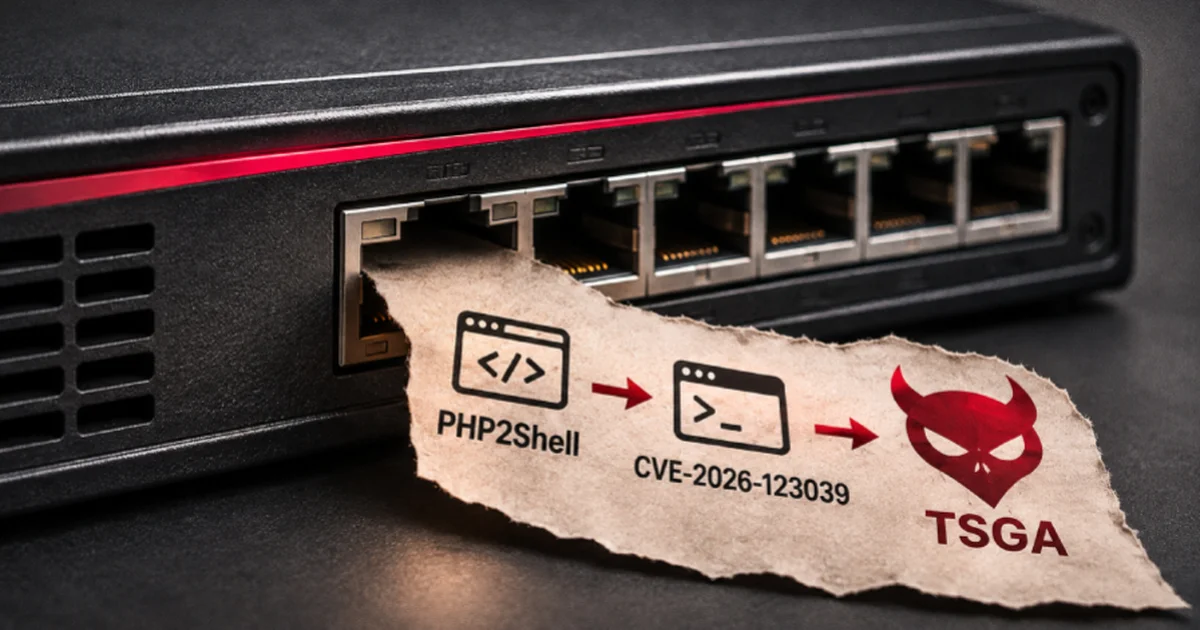
Threat actors are exploiting unpatched vulnerabilities in Check Point security gateways to gain initial access, escalate privileges, and execute destructive data wiper campaigns targeting organizations globally.

Desktop software company Kora Systems has unveiled a Linux-based operating system designed to integrate AI models and agents directly into the system kernel. The project was developed in collaboration with Qualcomm to optimize performance on PCs powered by Snapdragon X2 Elite chips.

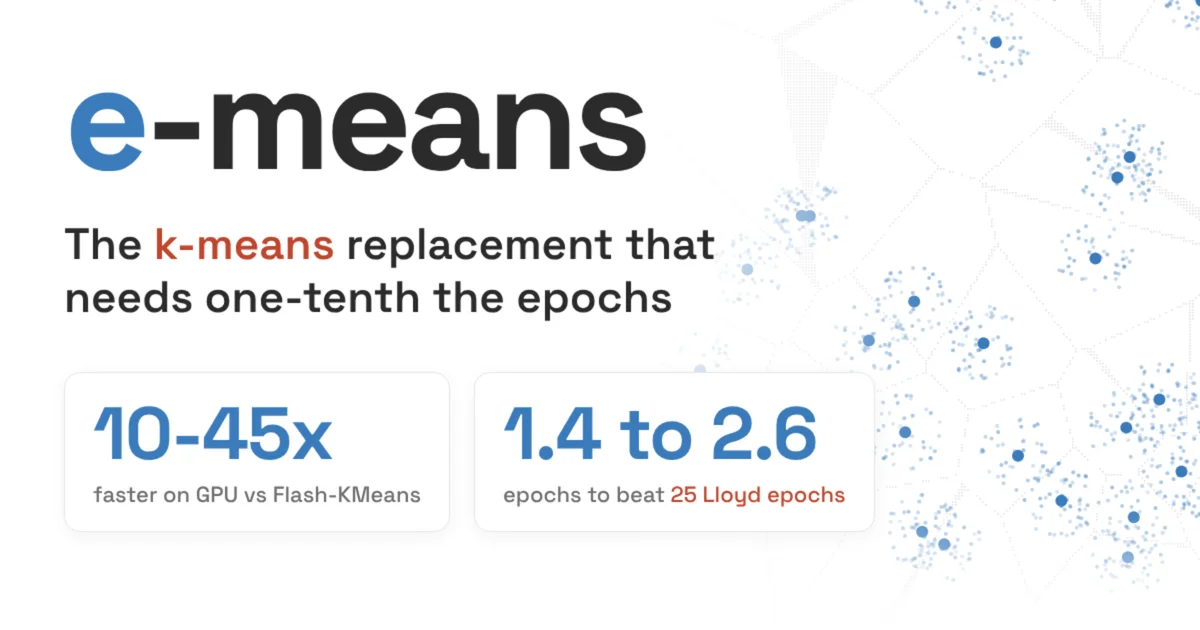
Researchers at Meta FAIR have released e-means, a new clustering algorithm that updates centroids using exponential moving averages to replace traditional Lloyd's k-means. The approach matches the loss of 25 traditional epochs in fewer than 3 epochs.

On November 11, 2026, Google DeepMind introduced AlphaGenome 2 to predict DNA variant impacts at single-cell resolution instead of averaging across tissues. The model enhances disease variant identification through an advanced conditional architecture.

Startup Drogue has raised $20 million to build a marine-based data center prototype powered by ocean thermal energy by early 2028. The system leverages the temperature differential between warm surface waters and deep cold currents to generate electricity directly on board vessels.

Motorola has revealed the Signature 27 luxury smartphone priced at $1,600, featuring a high-brightness tandem OLED display and an exceptionally large battery. Pre-orders for the new device are scheduled to begin on November 19.

Natera's lab engineering team partnered with Amazon Web Services to build SWARM for automating equipment troubleshooting workflows. The system drastically reduces initial response times and automates the vast majority of support tickets.

Amazon has released SGLang-Neuron, enabling teams to serve large language models and generate reinforcement learning rollouts on AWS Trainium hardware. The integration lets developers maintain their existing SGLang workflows and interfaces while leveraging custom accelerator infrastructure.

Thousands of sensitive secrets including passwords and API tokens leaked across open source projects due to configuration storage practices in the Claude Code AI development tool. The exposure occurs when configuration settings automatically record shell commands alongside security data.

A series of cyberattacks targeting internet-connected commercial refrigerators and cold storage facilities across Europe and US military bases manipulated storage temperatures, threatening food and blood supplies.