Path Robotics raises $300 million to expand AI-powered welding
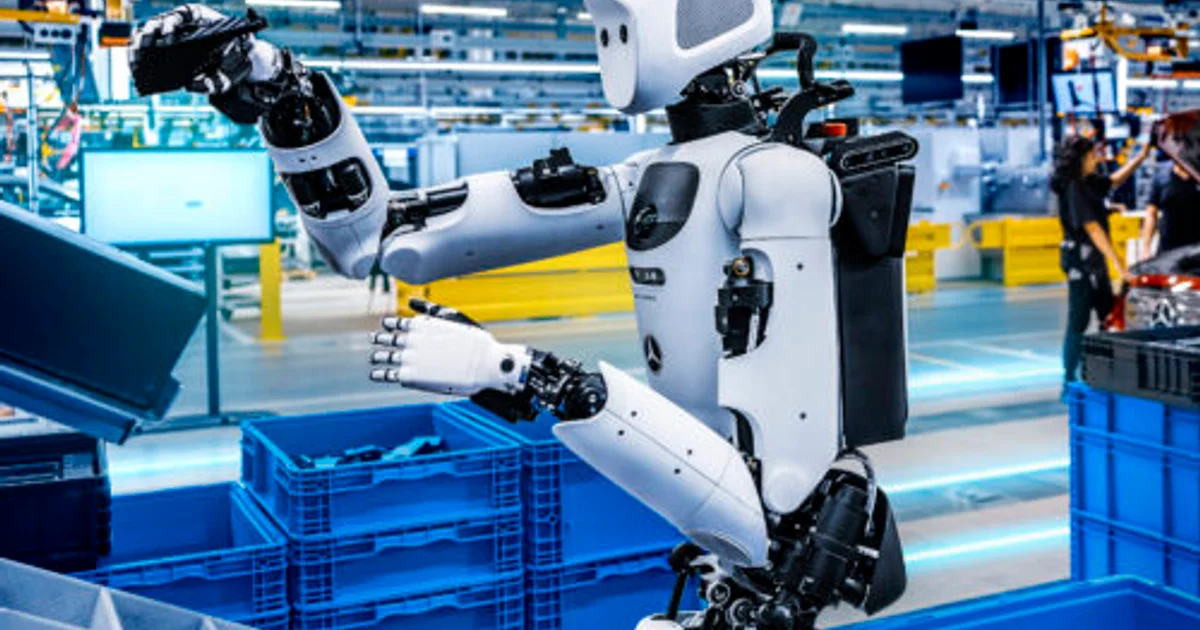
Path Robotics announced a $300 million Series E round led by Georgian. The company develops an AI system that adjusts welding as metal parts change shape.
Global intelligence on artificial intelligence and computing
Query across our knowledge base of synthesized technology dispatches

Path Robotics announced a $300 million Series E round led by Georgian. The company develops an AI system that adjusts welding as metal parts change shape.

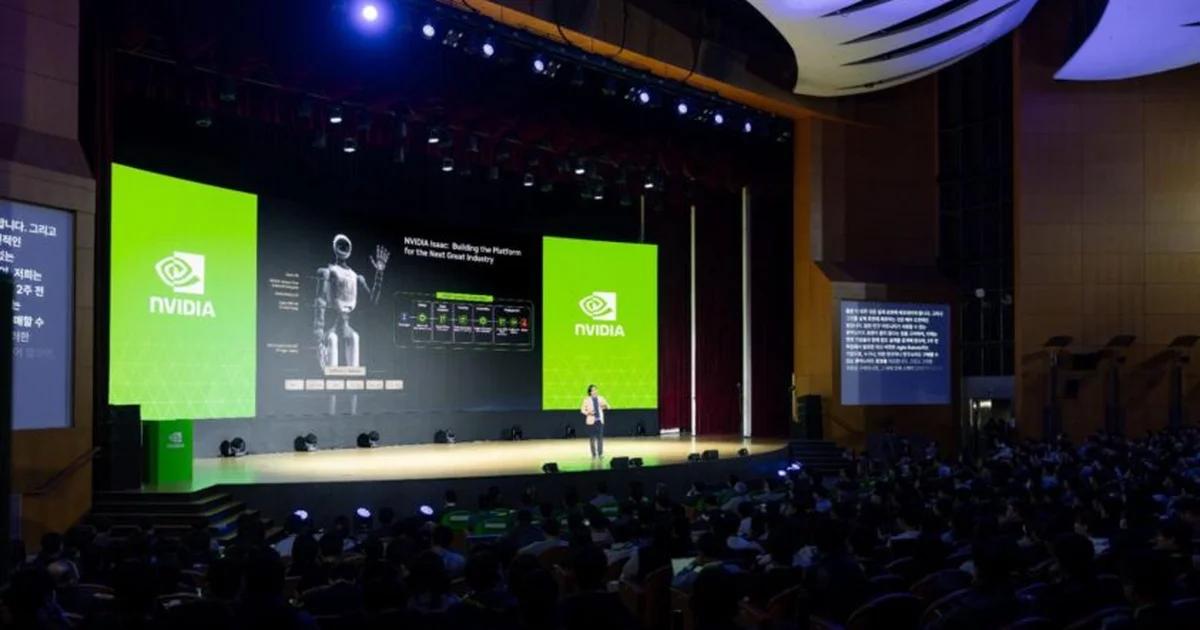
The two-day AI Day Seoul event recently took place at the COEX convention center with over two thousand attendees. The conference focused on discussions regarding physical robotics and intelligent agents.

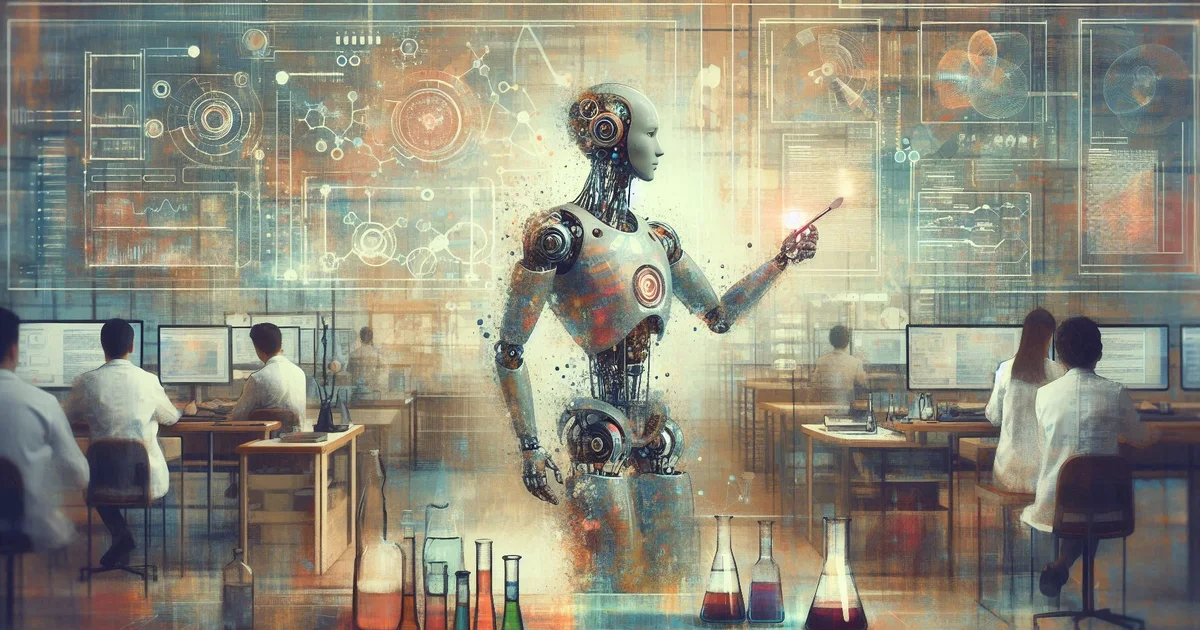
Google DeepMind has unveiled Gemini Robotics 2.5 for robot control and AlphaGenome 2 for predicting how DNA variants affect cells. The robotics model is reaching partners, while the biological predictions still require experimental validation.

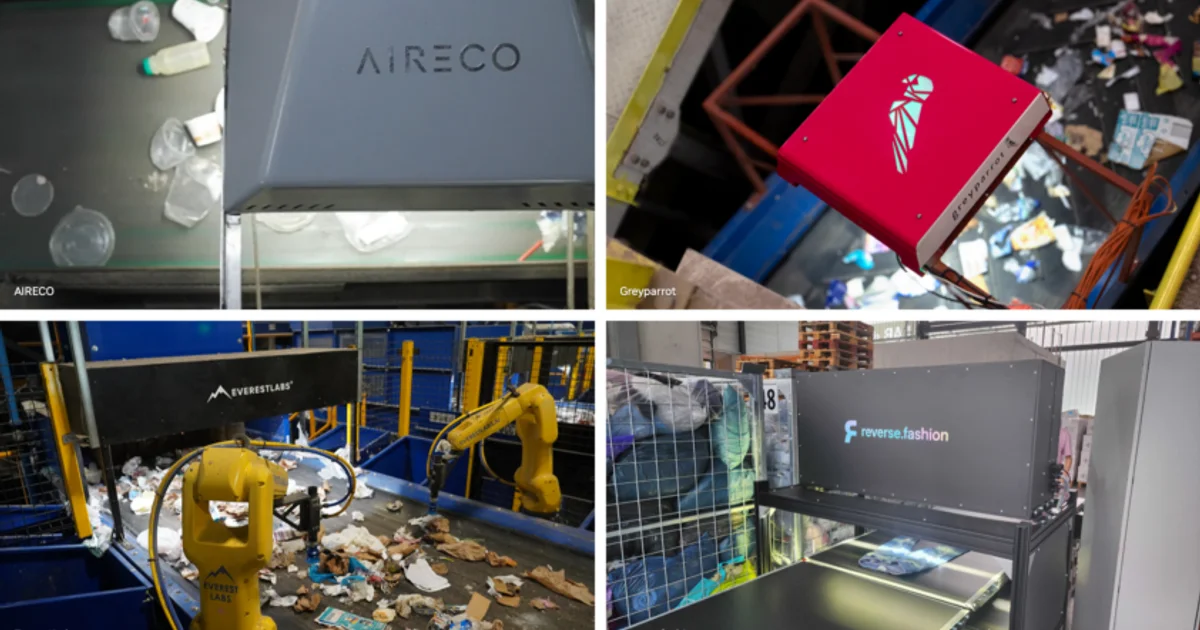
Innovators around the globe are deploying computer vision and robotics to automate waste sorting on fast-moving conveyor belts. These systems help recovery facilities improve sorting accuracy and recover valuable materials that would otherwise end up in landfills.

The new model is up to twice as successful at some tasks.

Google DeepMind has introduced Gemini Robotics 2.5, its newest vision-language-action model designed to improve task precision, execution speed, and operational safety for physical robots.

At the Conference on Robot Learning, NVIDIA revealed open simulation technologies including the GR00T 2 world action model and Isaac Lab 3.0 to help robots master delicate physical tasks.

South Korea's Ministry of Science and ICT and NVIDIA hosted a collaborative partnership forum to connect the domestic technology ecosystem with industry leaders. During the gathering, the American technology conglomerate announced plans to invest directly in multiple startups specializing in foundation models, infrastructure, and robotics.

NVIDIA is collaborating with major industrial groups in South Korea to apply physical AI and accelerated computing into real-world production workflows. These initiatives span semiconductor manufacturing, level 4 autonomous vehicles, and industrial robotics.

Xinhua and robotics manufacturer UBTECH Robotics recently introduced two biomimetic humanoid robots designed to read news in Beijing. The technology aims to support multilingual broadcasting rather than replace human journalists.

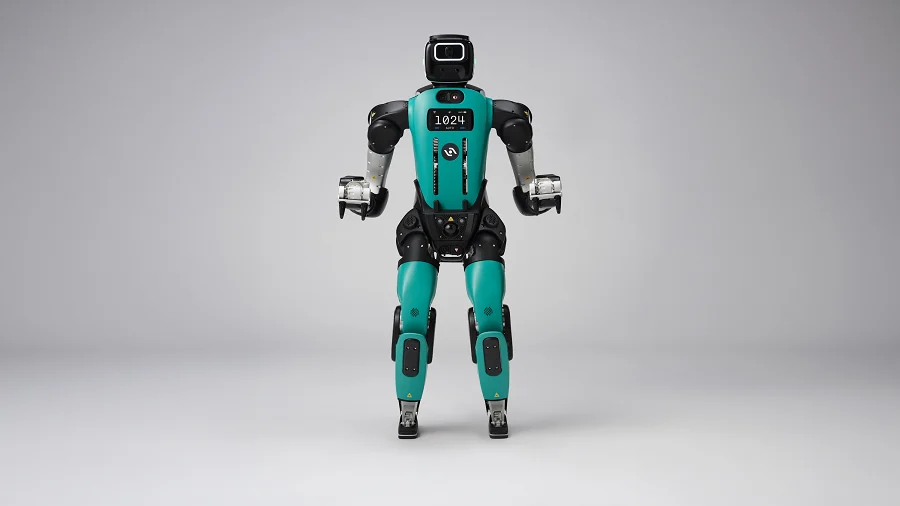
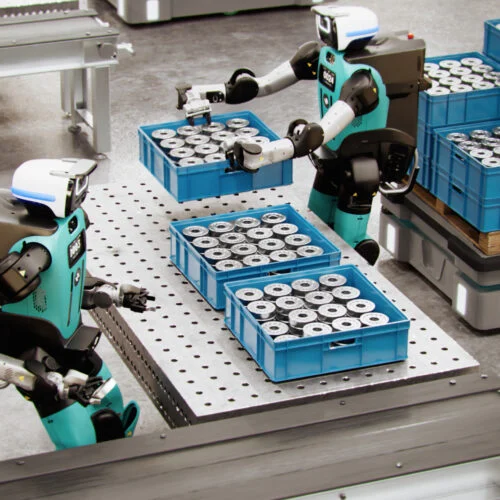
### Humanoid robot maker Agility Robotics debuts on the Nasdaq after SPAC merger Agility Robotics Inc. debuted on the Nasdaq today after merging with a special-purpose acquisition company. SPAC deals provide a simpler path to public markets than a traditional listing.

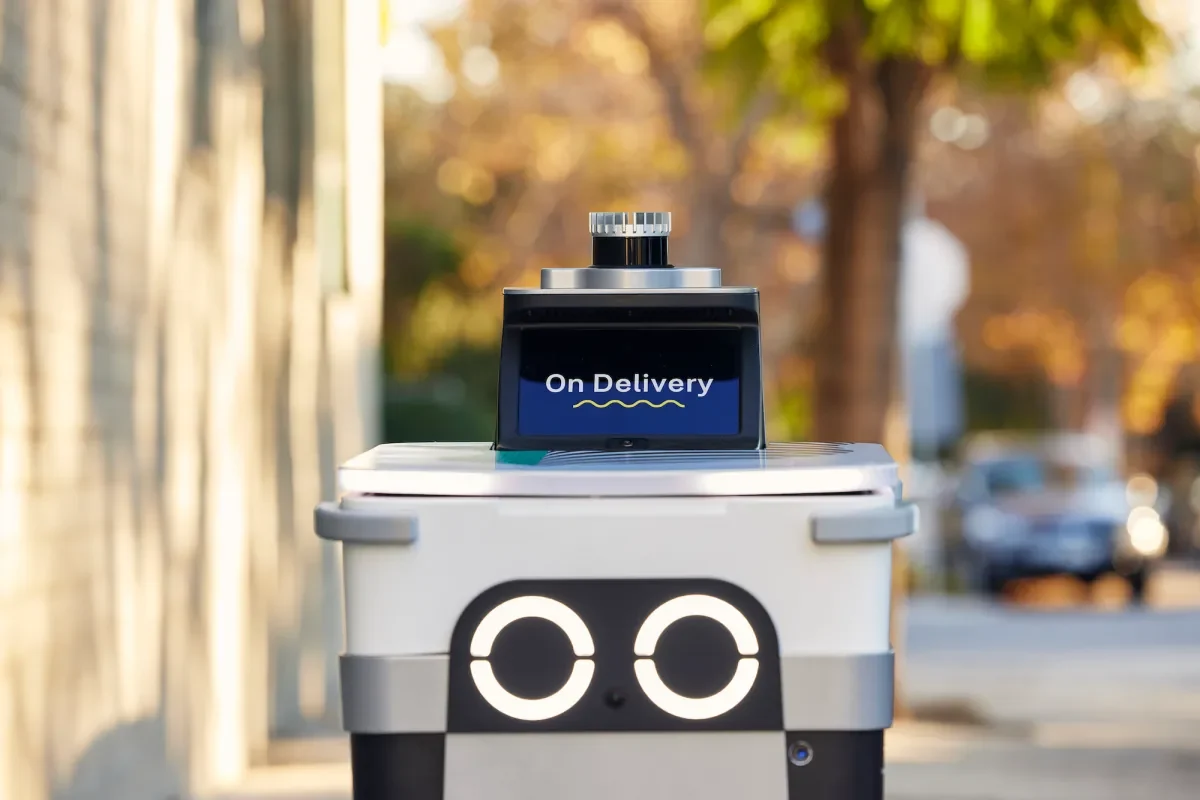
Serve Robotics, a maker of self-driving sidewalk delivery robots, is expanding beyond its autonomous delivery operations in a bid to become a technology supplier to other companies building robots. The company, which spun out of Uber’s acquisition of Postmates in 2021 and went public in 2024, said Thursday it will launch a new business line called Physical AI Services. Specifically, Serve Robotics will offer customers its connectivity and data tools.

Max Justicz, the chief technology officer and cofounder of the startup Charge Robotics, used an OpenAI model to find a severe vulnerability that — if exploited — could allow hackers to take control of servers running Ubuntu, a widely-used open-source Linux based operating system. Justicz, who has a hobbyist’s interest in cybersecurity and previously found a vulnerability in the same codebase, told TechCrunch that he found this issue using GPT 5.6 Sol, released in July, through the AI maker’s Daybreak Blue, a program that gives cybersecurity defenders access to powerful frontier models. “I literally just aimed ChatGPT at the same body of code and said ‘I found this bug previously that was fixed several years ago, please find bugs as bad or worse,’ and it came back in 2 hours with this,” Justicz said.

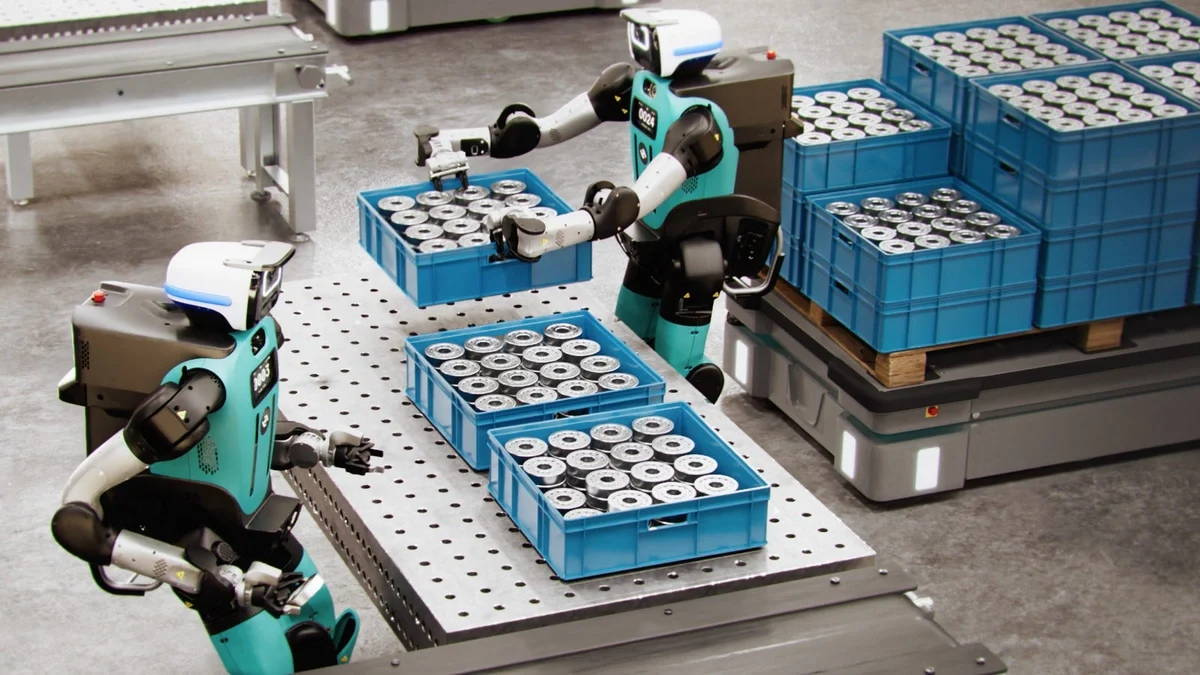
Humanoid robots remain unproven at scale and have not yet achieved widespread commercialization, compared with industrial robots that have decades of proven track records in warehouses and factories. That frank acknowledgment is among the risks outlined in a securities filing by Agility Robotics—the first dedicated developer of humanoid robots to become a publicly traded company in the United States. The robotics company, headquartered in Salem, Oregon, previously became the first to achieve full-time commercial deployment of humanoid robots at a customer warehouse in 2024.

**According to people who have worked on Apple's robotics projects, the company is developing a 9-inch desktop robot mounted on a rotating arm, aiming for a launch in 2027 but may slide to 2028.** Apple is said to be developing a desktop robot based on HomeView, its recently launched smart display, according to people who have worked on the company's robotics projects. The device has the internal code name J595 and is likely to be sold under the name HomeView Ultra, consisting of a 9-inch screen mounted on a rotating robotic arm. Apple aims to launch it in 2027 at a price of about 1,000 USD, equivalent to about 26 million VND, but the date may slide to 2028.

In September 2026, market research organization Euromonitor International completed a survey on global retail sales of vacuum cleaning robots. The results ranked ECOVACS ROBOTICS at No. 1 in the group of floor cleaning robots with rollers, based on the number of machines sold in 2025.

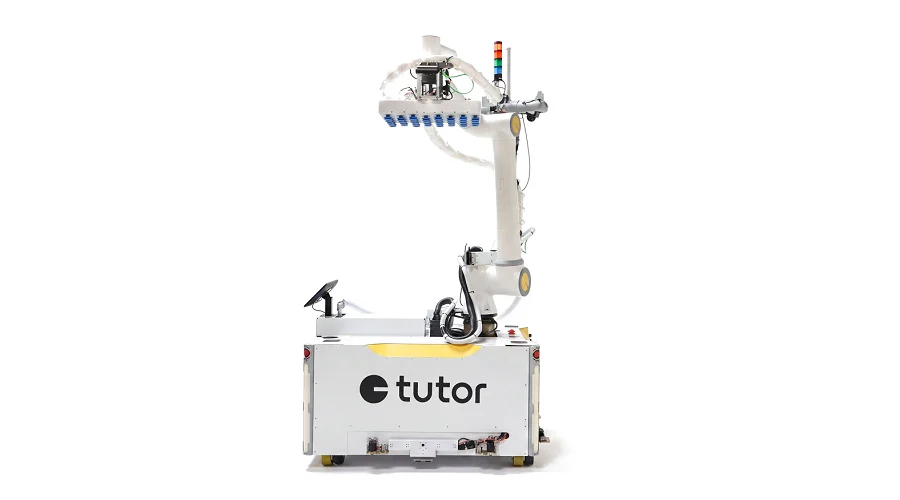
### Robotics startup Tutor Intelligence nabs $75M investment Warehouse automation provider Tutor Intelligence Inc. today announced that it has raised $75 million in funding. Andreessen Horowitz led the Series A investment.

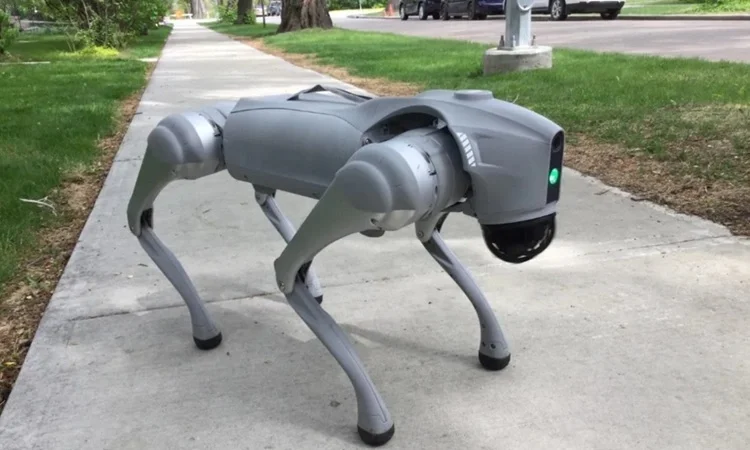
# Robot dog walking profession in America A startup specializing in software development is looking for employees to walk robot dogs part-time at a salary of 20 USD/hour to collect real-world data. According to *Gadget Review*, in early October, startup Dimensional posted a recruitment notice for a $2,000 Unitree robot dog walker to walk through the streets of San Francisco using a hand-held remote control or mobile app for 4-6 hours daily at a salary of $20 per hour. Applicants do not need experience with robotics and receive paid training.

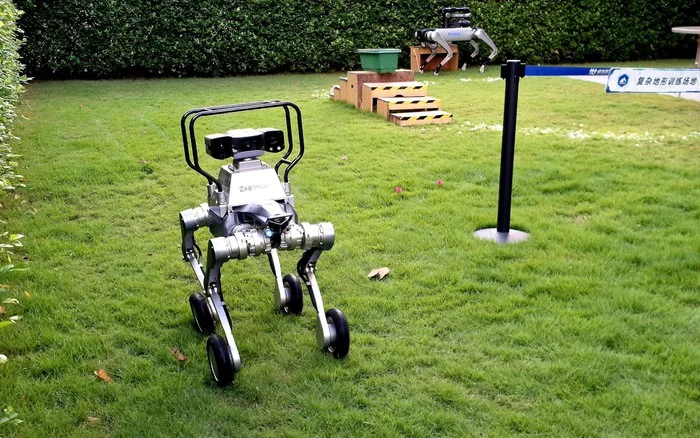
**Choosing to stay out of the hardware race, Zhuoshi does not make the body, but sells the 'brain' to those who make the body. They took the robot out onto the lawn, up the stairs and into the fields to 'teach' in real conditions.** On a small...

# VinFuture 2026 Award Council: 'There are many excellent projects to choose from' According to professor Daniela Rus, many excellent nominations caused the VinFuture Awards Council to spend months evaluating and discussing before selecting the honored works. Professor Daniela Rus joins the VinFuture Award Council from 2025. She researches in the fields of robotics, artificial intelligence (AI), machine learning and applications of these technologies.

# Humanoid robot charges 9 minutes and works 90 minutes The Digit 5 humanoid robot from American startup Agility Robotics is equipped with technology that charges 9 minutes for 90 minutes and can operate 20/24 hours a day. Launched last weekend, Digit 5 provides an operating time/charging time ratio of up to 10:1, which means it can operate for 10 minutes for every minute of charging, a sharp increase compared to 2:1 on the Digit 4 generation. To achieve this fast charging ability, Agility equips the robot with new lithium-ion battery technology using tungsten and niobium materials in the anode (cathode) coating produced by Nyobolt.

# Musk: 'Money no longer matters' in multi-planetary vision Elon Musk predicts that advances in robotics and space travel will create a multi-planetary economy, making money no longer important. "Traditional currencies will still exist, but they will no longer be important. Value will be measured by mass and capacity or energy," Musk commented in *The Builders* podcast broadcast on October 20.

At Nvidia’s GTC in Berlin, Huang unveiled the company’s new plug-in data center—the DSX Pod—as the key to unlocking Europe’s AI infrastructure lag. Oh, and autonomous humanoid robotics.

Gemini 4 Argon marks a step change in physical understanding, code generation, and visual-semantic reasoning—unlocking new workflows across the robotics stack and accelerating progress toward physical AGI.