New PHP flaws target network appliances and expose firewall risks
Attackers exploited unpatched PHP vulnerabilities to breach internet-exposed firewall management interfaces, exposing risks from network appliances running outdated software.
Global intelligence on artificial intelligence and computing
Query across our knowledge base of synthesized technology dispatches

Attackers exploited unpatched PHP vulnerabilities to breach internet-exposed firewall management interfaces, exposing risks from network appliances running outdated software.

Broadcom says a VMware vCenter flaw could let an attacker with network access bypass authentication. Rated 9.8 on the CVSS scale, the flaw has fixes available for supported branches.

PHP maintainers have released security updates addressing a critical flaw tracked as CVE-2026-126714 that could allow attackers to achieve remote code execution through the default session storage mechanism. The vulnerability stems from interrupted session file writes combined with unvalidated object deserialization.

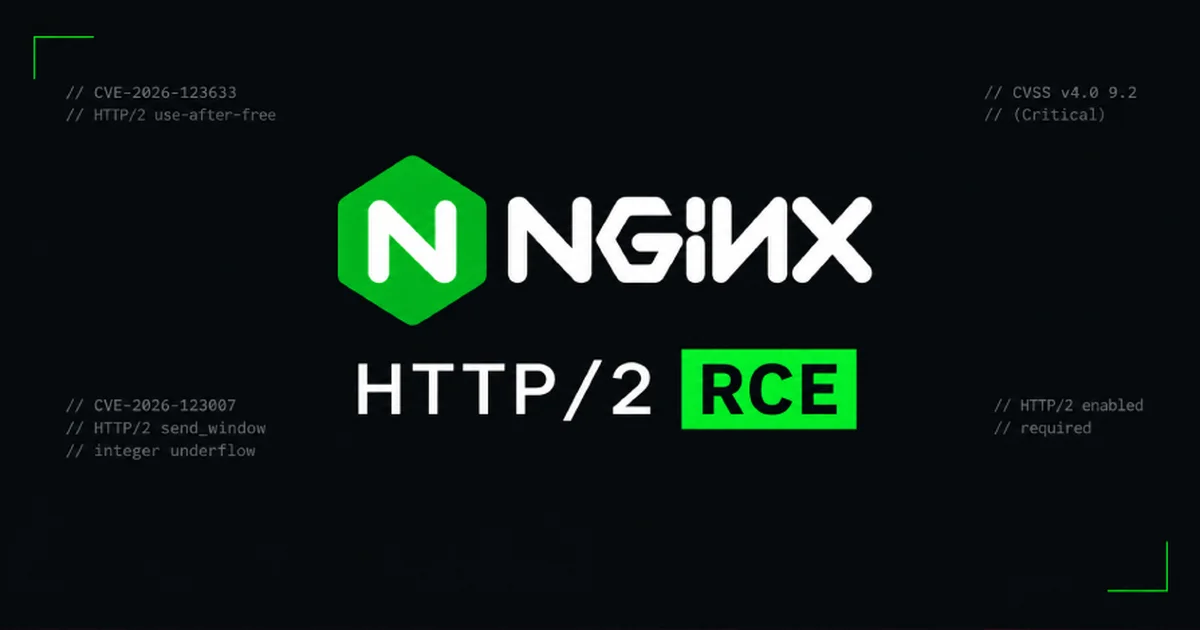
A decade-old vulnerability in NGINX allows unauthenticated attackers to run code on servers with HTTP/2 enabled. F5 has released emergency patches to address this flaw alongside four related issues.

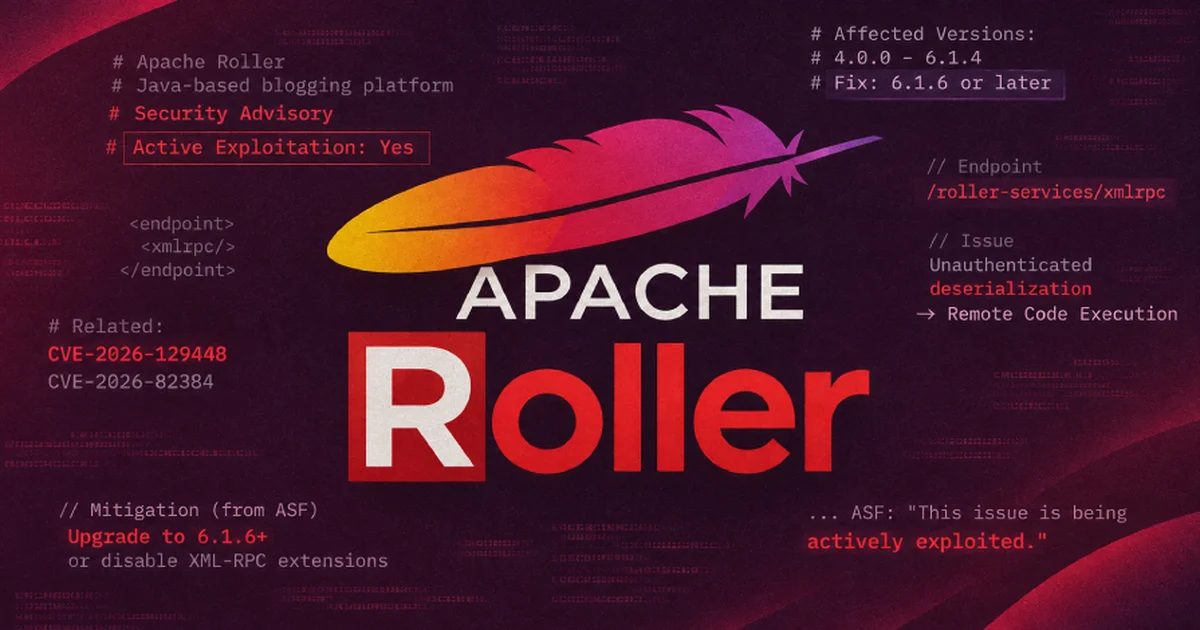
The Java-based blogging platform Apache Roller suffers from a critical security vulnerability allowing unauthenticated remote code execution. The Apache Software Foundation urges users to promptly update their software or disable the affected feature.

Cybersecurity firm Calif discovered a critical vulnerability named Java4Shell within OpenJDK, prompting urgent warnings from multiple governments. The weakness stems from a memory corruption flaw in the Base64 decoding feature, potentially allowing remote attackers to execute malicious code.

A critical vulnerability has been uncovered in how Java handles Base64 decoding on x86-64 processors equipped with AVX-512 VBMI. The flaw allows unauthenticated attackers to target widely deployed enterprise platforms including Jira, Jenkins, and Keycloak.

The U.S. Cybersecurity and Infrastructure Security Agency (CISA) has urged organizations to immediately patch a critical security flaw in Oracle Java that could allow remote code execution.

The Git project has released fixes for a flaw that could run an attacker’s code on a machine cloning a malicious repository along with its submodules. The attack exploits how Git handles an excessively long path.

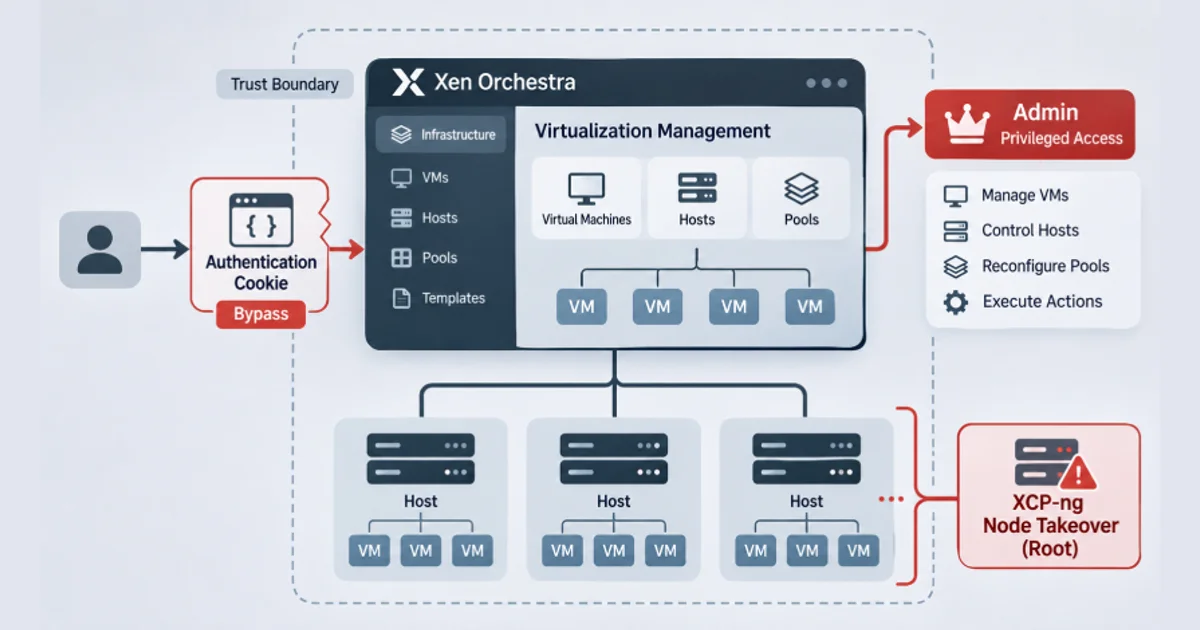
Software firm Vates VMS has warned of a critical security vulnerability in Xen Orchestra that is currently being actively exploited in the wild. The flaw allows attackers to bypass authentication and achieve full administrative control.

A critical security vulnerability in MongoDB servers can be exploited to crash database instances during failover events. The vendor has released emergency patches to address the issue.

Blackpoint Cyber found that the SCKit toolkit tries to turn a ScreenConnect-managed endpoint into a route to a technician’s workstation. The researchers say the existing patch blocks its vulnerability exploit, but a compromised operator session could still be abused.

Threat actors are exploiting unpatched vulnerabilities in Check Point security gateways to gain initial access, escalate privileges, and execute destructive data wiper campaigns targeting organizations globally.

The U.S. Cybersecurity and Infrastructure Security Agency added a high-severity security flaw impacting UnrealIRCd to its Known Exploited Vulnerabilities catalog following active exploitation reports allowing arbitrary command execution.

PostgreSQL has released updates addressing 52 security flaws, including one that lets a database user who can create objects run code on the server. Full protection against that flaw also requires rebuilding installed C-language extensions.

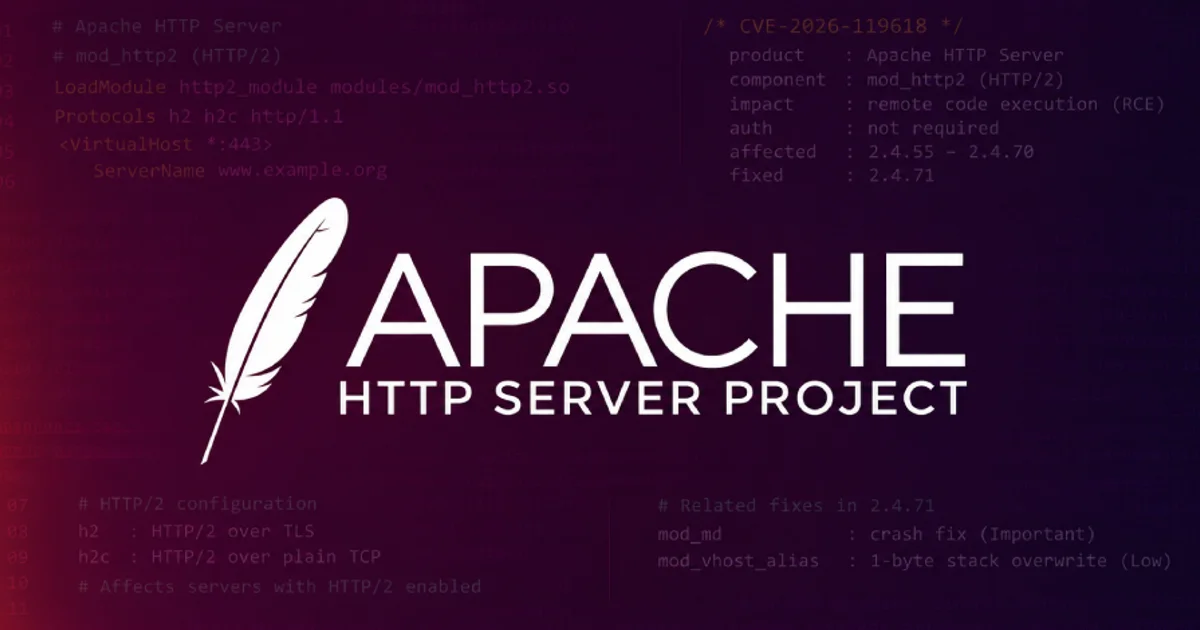
A critical security flaw designated CVE-2026-119618 has been discovered within the mod_http2 module of Apache HTTP Server, allowing unauthenticated attackers to execute remote code on systems running the protocol.

Google has rolled out an emergency security update addressing nine vulnerabilities in Chrome, including a dangerous memory flaw currently under active exploitation in the wild. This marks the eighth actively exploited zero-day vulnerability patched in the browser since the beginning of 2026.

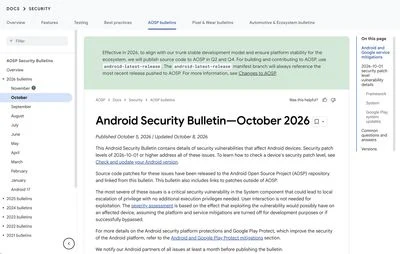
A serious security vulnerability on the Android operating system has just been publicly announced, called "SMS of Death". This vulnerability allows a remote attacker to interrupt mobile connections and interrupt ongoing calls (including emergency calls) simply by sending a special SMS message, without the victim needing to perform any action. The vulnerability is tracked as CVE-2026-58882.

The SMS of Death vulnerability causes the signal to crash and hang your Android device just by texting, please update the patch immediately Security researcher Mark Blaszczyk has just announced the vulnerability CVE-2026-58882, named SMS of Death, which allows bad guys to crash Android phones remotely with just a pre-made message, without the recipient needing to click anything. The error lies in the way Android handles WAP Push messages, which run in the background, crashing mobile connections and interrupting calls in progress, including emergency calls. About 20 messages is enough to cause the machine to get stuck in the reboot loop.

# Cybersecurity's 'Black October' The last 10 days of October are considered a "nightmare" in the field of cybersecurity, with a series of recorded vulnerabilities and system intrusions. *Guardian* and *Business Insider* both call this "dark October", while many other experts warn that things are actually just getting started. PHP2Shell, the common name for two serious vulnerabilities CVE-2026-109618 and CVE-2026-109619 in the PHP programming language, quickly became the target of exploitation campaigns, after information was leaked on October 21.

# Lỗ PHP2Shell - khi AI làm đảo lộn giới an ninh mạng Hai ổ PHP2Shell đã tồn tại từ lâu và gần như chưa được phát hiện, cho đến khi AI giúp phơi bày chúng ra ánh sáng. Ngày 21/10, PHP Foundation, tổ chức phi nhuận đứng sau ngôn ngữ lập trình PHP lợi nhuận, công bố hai lỗ bảo mật CVE-2026-109618 và CVE-2026-109619 (gọi chung là PHP2Shell) đang tồn tại trên nền tảng kèm theo bản cập nhật cập nhật. Cả hai đều có mức độ nghiêm trọng rất cao 9,2/10 điểm, có thể giúp hacker thực thi mã từ xa, chạy lệnh độc hại trên máy chủ bị ảnh hưởng.

The PHP Foundation vừa phát hành bản vá bảo mật khẩn cấp vào lúc 14:00 UTC ngày 21 tháng 10 để khắc phục hai lỗ hổng nghiêm trọng trong lõi PHP, mỗi lỗ hổng được đánh giá CVSS v4.0 = 9.2.